
Episode 32
How To Realize The Ultimate Rendition Of The American Dream (Journey From Indian Railways To SpaceX) - w/ Sanjeev
One of the twenty most-watched Ready Set Do episodes on YouTube right now.
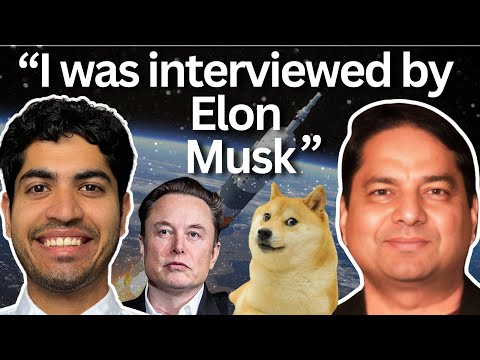
Some career stories sound made up until you realize they were built one unglamorous step at a time. This episode follows a mechanical engineer from Indian Railways to SpaceX without pretending the path was neat, linear, or somehow inevitable.
Who this is for
- You are making a career move across countries and the paperwork is part of the stress.
- You would rather hear Sanjeev's version while the mess is still fresh than get another polished hindsight sermon.
Key takeaways
- Realize The Ultimate Rendition Of The American Dream (Journey From Indian Railways To SpaceX) - w/ Sanjeev
- Some career stories sound made up until you realize they were built one unglamorous step at a time.
Need the cleaner version?
I pulled the sharpest parts of this lane into a guide so you do not have to reconstruct the answer from memory later.
Fast scan timestamps
Transcript
The full conversation, right here. Auto-captions, lightly cleaned, still very much a real human conversation.
well ELO was definitely there I had been going through a interview process with him you had decided that you would get this Masters come back and continue what you were doing with the relas but then you were presented with this once in a lifetime opportunity I hear the two biggest detriments when it comes to that normally is either bureaucracy or corruption that was a time when the government was manufacturing everything from bread to Dairy drugs cars was your experience at UC Boulder in any way benefited by your past experience with the Indian R I was lucky to be part of where we develop indigenous High speeed rail back then being umit in Delhi you could have done this staying in the system and fighting the system are you willing to speak on your path to citizenship in the US and how that was I accepted and made the plan and then I
happen and all the internships for international students was banned all I had was dress pants and leather shoes so I used to walk in leather shoes acoss the snow wet socks and everything and work in the mail room for 4 hours back to the India of 1980s we were just emerging from socialist mindset hold on hold on you just said you were interviewed byon mus he was a little distractive he was very welcome to The Ready Set do podcast where we learn from journeys of not experts who are just two steps ahead of us I'm Naman Panda and in this episode featured guest is sanjie Sharma sanjie is a principal engineer at SpaceX but perhaps more importantly one of the most illuminative flag bearers of what the American dream looks like in practice we begin with going over sanji's time with the Indian railways in the early '90s
and he walks us through exactly what it felt like for India to recover from the extremely socialist hangover that it was recovering from during his more than a decade with the Indian railways sanjie contributed to some of the most cuttingedge design work and led the Cornerstone for highspeed rails that we see today such as bandar and then went to University of Boulder Colorado for his Masters in mechanical engineering while the goal was always to deepen his mechanical engineering expertise and then come back and continue his work with the rail base TR had other plans and continued his career in the US working at C Technologies and then eventually ending up at SpaceX while there are many amazing takeaways from this episode this journey from the Indian railways all the way to space X to me is a fascinating snapshot in
demonstrating exactly why the American dream attracts tens of thousands of people towards itself almost like a self-fulfilling prophecy this is The Ready Set to podcast and to support it please subscribe to the YouTube channel and leave me up to a five star reading on Spotify app music or any podcast app of your choice and now my dear friends here's sanjie sanjie welcome thank you thanks for having me I'm absolutely buzzing to get into all of your amazing experiences that have gotten you uh you know right now to SpaceX but I kind of want to start with your experiences with the Indian railways it's just one of those things to you know when two words you put them in the same sentence it almost feels just weird sometimes so to to put Indian railways in the same sentence as SpaceX is just really interesting for me and especially you
being being a person that has been in both of those places I wanted to begin there I know you were you spent a decade almost more than a decade actually with the Indian railways so I want to you know understand what that was like and maybe if you could Contour that answer with what India was like in the '90s especially as a person that wasn't even alive you know in the early 90s Yes actually uh yeah U yeah this is a really really nicely framed question let me dive dive into some perspective so from the very beginning my my my dad was an engineer and I was always attracted to engineering I wanted to learn more about you know machines and how how humans design these machines and make them and stuff like that so I was uh trying to pursue Engineering in it RI it was called University of RI at that time and
then I got uh admitted in to this uh Railway Institute which recruited people from like 12th graders straight up with the upsc and stuff like that so and it the whole process takes about eight months so I was already in uh RI doing my first semester way into my second semester and suddenly got this confirmation I switched uh and joined Railways uh and this uh is a college in uh within Railways which teaches you mechanical engineering fouryear course uh which has emphasis on both theory and practice and with a lot of emphasis of course as you would imagine on Railway technology so uh I started learning about Railways got interested you know went to uh after graduating from there I I I went to Eastern Railway back then in Bihar in hanad worked there for two years mostly in operations and while working in operations I kind of realized
that uh the key role that design plays into uh large systems and large Technologies and uh that's why I wanted to get migrate myself into design because that's where everything starts from and since then I've so I moved to u a railway uh Factory a new Railway Factory in Punjab called rail Coach Factory where uh it was brand new at that time in in the 1990s where uh they were bringing in computerization into design and into manufacturing and it was a very exciting place to be in I learned a lot through my superiors through my colleagues peers uh we had uh strangely enough like even being in government there there was no shortage of funding we had really the state-of-the-art uh technology available to us and it was a very exciting uh time to to to put together a team and and start off uh designing new things using
completely new methods and technology and computers back then uh and that kind of uh yeah that kind of just sparked a fire in me that I wanted to be an engineer and and working in uh design and Analysis all my life and so sorry really sorry to interrupt but I just you know from whatever you've laid out already I I have like four different questions that I want to drill into let's play it slow like I'll have you ask the questions and yeah perfect yeah because you know like there's you you're laying out such interesting things and I feel like as you keep going those interesting things will keep increasing and I'll just keep you know lose track of my questions so first being that um for me or at least the uninitiated it sounds like um you know I rooki or as you said at the time University of rooki is a way more
prestigious place to be it sounded like it's you know very hard to get in and all that so I'm just you know trying to understand why you would leave that and go to you know a railway uh University so can you just elaborate a little bit more on that decision and yeah that's that's a good good uh thing a good good point uh going back to the India of like 1980s we were just emerging from a very very socialist mindset and there was hardly any private sector opportunity so a lot of people a lot of Engineers who really wanted to do good would actually leave the best colleges and go to the us directly or those who stayed would on only aspire to uh come into the government service because there was not much private sector around and uh so that was a time when the government was manufacturing everything from bread to you know Dairy F Dair drugs
cars autoo everything so the government job was the end goal for people who wanted to stay on and this Railway Institute was kind of a gateway to a government job and also this was very prestigious as well in itself like there was only I think people or less in a in every Year's batch out of Tak pool of maybe 30 40,000 MH so it was very prestigious at that point and it was fully paid for fully funded by the government and and very prestigious thing to to join so I thought about it a lot but in the end decided to join it so it was uh it was great learning technology you know firsthand as student joining this world of so that's that was the draw makes sense that's really helpful context especially as I'm sure you're aware right now the pendulum is one to the other side where you know obviously in India there's still a great demand for
government jobs there will always be it's just one of those status SL Prestige things you know it's just unparalleled but obviously now if somebody were to be you know if somebody were to make that decision I think it might be you know much more Nuance decision it might not be as straight cut as it was for you would you agree yeah exactly I mean people don't realize people today's India do not realize that all the way up from 1940s so when we got up 47 dependence all the way to let's say 19 late 1980s we only have two cars that were allowed to be made in the India and for for even buying those cars there would be you know a license requir a waiting list of four five six years all of that was so different from what it is now that options for someone to practice you know engineering at a bigger scale were only limited to
government more l so that was uh that was world back then and like I said I mean in every circumstance I guess common you know theme Here is that in every circumstance you you have some aspirations and you look around your environment and this what's best what is the best way to fulfill that in that that the government was was the same yeah I'm so curious to explore any other themes or any other you know standout maybe not themes but just instances that stick out like the example you give with the cars I think was very pressing for me I think it makes it really helps me contextualize so do you mind you know sharing maybe another couple examples of just the heartbeat at the ground level at the time in India because right now for me it's obviously impossible to even imagine you know that level of socialism
on the streets so to speak yeah so any other examples that you may have social socialism essentially is a supply side economy right so uh essentially the government controls everything there's no competition so there's no no need to innovate uh you stick with one product and and you just carry it along um and in that environment I guess uh you don't get progress and so we realized that back in 1980s and started opening up the economy uh even the multinational us companies were not allowed to practice business or or open up their R centers in India was it was not a very good environment for for engineers and technologes to grow in and in that then India started opening it up and like I think now the situation is completely different so young person starting out might make completely even with the same motivations as
I had that and would make completely different decisions so it's not about retracing someone else's decisions it's it's looking at what is around your environment and making the best decision for yourself at that time and so that's that's that's what India was and one thing that pained me even back then was that when I looked around the room and saw everything around me everything in in the modern world was designed by a western Nation was just either it reverse engineering it or stuck with very old methods right there was no innovation to speak of there was no innovation the only thing that we could do perhaps uh even in high-tech engineering world uh was uh was take some some someone else's technology and Market it and there was no emphasis on research and Design Within engineering as much as it is now which is where it should be
and that's that's something that I was not very happy with back then even in India I was lucky to be generation that caus this change both in the private and public sector exactly perfect so with that backdrop I think we can you know just to bring us back before I so rudely interrupted you but you were now you know let's say it's mid90s you have access to these computers that you were talking about there's this new influx of the need to innovate so so yeah can you kind of resume so how did you go about things in this new version of India that you were seeing you know take shapes right in front of your eyes I was I was particularly lucky I guess I mean it's all about being uh I I think when I say lucky uh please don't get me wrong I think luck is what happens when you are prepared right luck is the opportunity
that that happens when you're prepared and and basically taking advantage of the opportunity when you're prepared uh but I was lucky in a sense that I wanted to do this and I ended up in a place where uh it was a brand new factory brand new design center uh funded heavily and and uh had The Cutting Edge technology had had really great group of peers and superiors to work with and uh learned a lot learned astoundingly a lot like even even had I been uh somewhere else I would not have learned as much and then we started uh doing things uh in terms of uh design of rain cars and and and uh coming up with the faster and faster design Cycles uh and it it B basically became uh the entire team came together and and we did things that that were un that was not not uh unprecedented I would say in in in in the railway uh government
sector uh in terms of the speed and execution of projects and uh I was lucky to be part of uh you know project where we developed a indigenous highspeed rail back then U I know that we have W parat right now but even before that we had a train that uh went between uh ritar and Delhi for about you know seven eight years that was a high-speed train which I was lucky to work on and uh a couple of other projects so there was a project the the thing that really sparked my uh will to come back to academics and learn more was that there was a project with the un united a Development Fund that uh B in uh International experts to the railways to our Design Group and had them teach us design from scratch what year was this this was uh back in uh uh I'd like to say 1995 or so interesting okay and so so we had now this group of
design experts phds from rest of the world coming in and teaching us design principles first principles and how to how to go about designing a new rail car how to go about designing you know vehicle Dynamics and mechanical design and all of those things and these were widely interesting fields for me but after a certain point I felt that uh I was not able to absorb everything that they were trying to communicate or trying to point me towards and that's why I decided uh that it's about time I should probably go back to school and learn more to become a better mechanical engineer engineer and what was your designation at the time when this was happening within the railway so uh I started off so we start typically off as as assistant mechanical engineer that was my designation in hbad and then divisional mechanical
engineer looking at you know entire division which is a huge one and then when I came back into uh rain Coach Factory I was uh DME again you know design mechanical engineer and then okay deputy chief mechanical engineer design so I was basically responsible for a group of 70 design engineers and we had full Design Group that was doing both r as well as the under and all of that I see it was pretty exciting pretty exciting and just to understand kind of where the realm of your responsibilities started and ended so you were doing design were you also involved at all with the actual assembly and the actual building or coming together these things yeah yeah a large part of my job uh the way that the The Design Group there was function functioning is that they were they were doing not just design of rail cars they
were also designing uh tools for the factory uh so a large part of my job was uh to design and then design the rail car and then get it manufactured as a prototype set in the factory so after my design cycle was done I would I would spend uh you know often half a day uh you know in in uh every week depending on which phase the the project go in I would spend half a day in the factory just talking to workers getting stuff made and and uh writing you know even process instructions on how how things have to be assembled together what are the precautions and stuff like that so uh there was a large ownership across uh design for Prototype manufacturer across quality uh planning material planning all ordering parts de developing vendors so there was a very very large kind of a scope there it was not just designed on
Cad and then be done with it makes sense so and then also I sorry I forgot um there was also this component of once the design is made uh it's a very highly regulated obviously uh you know Transportation sector so I also had to work with a regulatory authorities to wow test and and and clear it so we we also participated in uh testing both in the lab as well as on the field interesting so and obviously the regulatory Authority is independent of the railways right those are not the same organizations obviously they are they are part of Railways and outside Railways as well so yeah it's a mix yeah okay mix sense and so when you hear about these type of things at least in my perspective whenever there's you know materials involved there's a lot of you know just a transfer of a lot of goods and such um I hear the two biggest
detriments when it comes to that normally is either bureaucracy or corruption so did you have to deal with either of those things and if so do you have any instances around how that was like yeah I mean that is true I think that was true then and I from what I hear from my ex- colleagues it's true even now sadly that uh what's holding back a lot of progress I believe in in India both in the private and the public sector I I wouldn't exclude private sector is corruption and and bureaucracy uh bureaucracy is something that the britishers taught us as as a system just to keep everything in line and somehow we have not been able to shake that off completely or or as much as we should uh and then Corruption of course we each of each one of us has ourselves to blame for it uh when I was within the organization or within
working in India I would say I would not blame any one Organization for it I could see across the board like it was in my organization it was outside my organization it was in the private sector everywhere and in my view corruption is is is like wor if if you're a marathon runner and you deny yourself oxygen that's that's how uh you would perform with corruption it it basically sucks the oxygen out of the room for everything and uh that is one thing that I kind of uh I'm not very happy and and stepping back I guess I mean obviously I'm now a US citizen settled down in the US and and people will always point out that corruption is universal it's everywhere and it is in the US as well no doubt about it what I mean by corruption here though is not the corruption at the way of the you know power or or financial pyramids what
I mean by corruption is the everyday middle class uh you know layer being corrupted and that makes a big difference so if if you're in the US if you get a ticket then the cop is not going to ask you for you know branch that you are and so yeah you'll probably get into trouble if you even offer a bribe right exactly yeah and so people have very clear ways of of finding out how to make extra money from the job that they've been assigned to and which is why there's like this uh if you are being honest I think uh a lot of craze for government jobs is because of the status and and job security and some of it at least is is because people think of this as as a an opportunity to be corrupt well off 100% yeah so uh I I think that is that has always been there and and unfortunately I think India has been trying to shake it off and I I wish
it all the best but uh what I mean by corruption is is this this middle class layer that uh that that just has itself to blame you should not look at politicians you should not look at you know the people higher up in the ladder we should look at ourselves in the mirror and say am I doing the right thing that's a very powerful perspective and I think it it's helpful to you know reflect on that so yeah appreciate that call out there so and then you reference that sorry go ahead I I also want to touch more upon the bureaucracy part of it and that is that definitely that is definitely a um I would say a damper on on progress but uh again I mean I I had a good fortune of working with a group that uh that was doing new things and uh there's nothing in the government code that prohibit hits good work or prohibits new work uh it's just that the
interpretation of of everything can be taken to an illogical extent where uh it is very punitive to stick your is uh it is very punitive to stick your head out and do something new uh and uh I was just fortunate to have worked around people there that uh that they all took the risk and I was one of them and and I did have a lot of people tell me privately my wellwishers please don't uh you know stick your neck out so much that uh you you ruffle feathers and and you could get targeted but uh fortunately I was Junior enough to to just get things done without attracting attention did you stick your neck out a lot then or just a little yes I I I did I mean I I I had some like I was saying like even when I was very young I I just detested the fact that we cannot do anything new here and uh when I had to uh lead projects
and I had to uh get new things done uh I would I would freely write on on all the files that came to me or you know take all the decisions that I had to take uh I would clearly take uh take initiative and and not uh not hold myself back for the fear of a backlash or for fear of uh you know someone uh feeling left out there was obvious these lobbies and groups and and stuff like that but uh it's kind of better to not think about every everything that can go wrong and just think about what can go right that's so true yeah you know especially when you're at the Forefront of making such huge change I mean I have to assume that stuff that you worked on in many ways is in fact the base or the foundation of now the recent initiatives such as V Barat and all of that so then from there uh you mentioned that you
wanted to return back to Academia so was that when you moved to the US and if so what was that experience like yeah so I I wanted to do Masters uh in mechanical engineering I was very very particular a lot of people who worked in the government for some years because you have to realize again coming back to why things are the way they are right uh the government services in India and including the in IES and other services were set up by the britishers uh to benefit themselves they were not they not really you know great technical Engineers or anything like that they just they just came in through their country and they just wanted all power to be uh to to deide with the officer class or with them and they basically made all these intern all India India services to uh to encourage people to be General administrators and not encourage
like there was not supposed to be a technical service where a a researcher or a scientist or a mathematician from uh UK or or England could come and serve in India that was not the purpose the purpose was to just bring in anyone uh who who was the right race or or spoke you know or belong to to their group and become sort of a ruler class here in India and that's how government services are structured they are structured to make everyone come in and even if it's a technical service they want to convert that person into a general administrator and uh and with that I think when when you have a general administrator leading an organization uh it never gets anywhere in terms of doing anything new there are important exceptions to that uh and and like I'm saying I mean when you get exceptional people in the right place
they do exceptional things no matter what the rules say no matter what what the what the flow of of the of this entire organization is they are able to do Splendid things like you can see examples in ISRO for example drdo uh and even uh is is a good example of the of Doing Things New in spite of the convention not supporting that um so but the general convention is is is what I described and uh so after being for a lot of time in in the in the Indian railways I realized that I wanted to stay on as a technical uh engineer technical leader and uh I wanted to that's why I wanted to to pursue mechanical engineering not not do an MBA and become a manager so I was looking around for opportunities and it was really expensive everywhere uh and even in India there was not much uh you know in terms of what I could get
supported for in in terms of pursuing a degree so I basically came to the US because there was a promise for uh you know research assistantship internships Etc which could come with free free tution as well as some Aid to to help the international student work through their curriculum M so that's why I applied to the US and uh got in and and and came in here in Boulder in University of Colorado at Boulder to do a mechanical engineering uh Masters and I picked the Master's thesis option because there I got involved with a research project related to computer hard drives uh and worked on it and basically the the the region had uh a ecosystem of computer hard drive companies starting from IBM to Cate technology to uh other other companies and uh all of these had funded a research and I I was part of that
research uh I got tution wer and all all of all of the you know stiens and everything and my research was liked so much that as I graduated they gave me a job and I had to deliberate a lot about you know my decision or intent was just to go back uh uh versus take up this job and stay here but I was that at seate was were you offered the job at yeah so yeah that's how it turned out I mean it's just amazing I I think hard drives are the the most technologically advanced mass produced product that humans have made or are making right now uh except for like if you discount Solid State Technology it is so interesting so so so exciting to to be able to work on it so that's why I kind of got sued into this world yeah makes sense uh so couple questions from you know what you just laid out here the first being that was your experience at UC
Boulder in any way benefited by your past experience in with the Indian railways like was was that experience even relevant at all for what you were studying it was it was I think uh so and that's the great thing like once you once you know what you're passionate about and once you set a goal for yourself almost everything that you do uh tends to if you do this by choice not not by accident or Not by you know Force almost everything that you do is accumulative towards that goal and so for example things like you know I was the hard drive has a lot of mechanical principles that we need to apply vibrations vibrations Dynamics uh and and uh you know um quality control and and and process control and and stuff like that all of these uh are also applicable in in a different industry where I where I came from in railroads and I was doing
vehicle Dynamics on a very large scale of course uh but the Dynamics principles are the same the the solutions the simulations are the same uh structural analysis I was doing that for rail cars and that was required to be done for hard drives as well so a lot of the analysis tools a lot of the the theory and the practice and the and not not just that a lot of Industry principles for example statistical quality control and and prototyping and all of all of these like designing experiments and stuff like that all of that got carried over to the new job as well awes it's not as if I could only Implement a brand new set of knowledge that I gain from this two-year course that would not have made me successful M I became successful in the hard drive industry because I had this uh you know theoretical background
complimenting what I already had done before right as you were sharing the the first principles that you learned I think while your time with the reals you were just able to carry forward and just transer those two because at the end of the day it's engineering right and doesn't matter you're doing I mean it's it's a it's a change in domain it's not a change in the body of knowledge that and experience that you acquire so it's just a different domain and even that domain I I don't want to um belittle the the Gap there because I can tell you from my personal experience I I did join the company and for the first six months I would sit in meetings with the experts in the company and I was just trying to figure out what they're talking about it is such a so the hard drive like like I explained is is very very intricate and and very
sophisticated what's happened there is that over you know six decades it has evolved into a very uh dark and Al not dark but deep excuse me very deep and narrow feel and correct develop a jargon of itself it has engineering problems that are unique and so coming from outside it was hard to kind of uh grasp it all of a sudden so that it's a big gap but you can tread it if you have the same first principles and kind of common body of knowledge that you're relying on absolutely so the other uh you know carry or just the other followup I had around that that juncture of your life really was I'm I'm just trying to you know put myself in your shoes you had thought at least you had decided at least in your mind that you would get this Masters come back and continue what you were doing with the railways but then you were obviously
presented with this wonderful once in a lifetime opportunity right and obviously this is very time dependent so like in that once you leave you probably won't be able to come back back anytime soon so I guess I'm trying to understand what were some of the considerations that you looked at before you made your decision not in the context whether it was the right or wrong because clearly you know you're successful now and I'm sure you don't regret anything but I'm just trying to understand what the sanjie at the time thought before you know taking this plunge yeah I guess uh it's hard to jump back into my mindset then from from now from my recollection I guess the template to take any decision is first of all u i I don't know if if if you are familiar with uh what I've you know kind of learned through independent reading
myself there's a mlo strangle Marlo was like a psycholog yeah hierarchy of needs essentially so I strongly believe that and I I I believe that the goal or the purpose in life should be uh you know striving for excellence and in that I think so once the other needs are kind of met at a threshold in progress to to a point where you kind of say what's your purpose in life what do you really want to do and and and kind of move towards that and uh so that was one of the big things that c technology was at this Cutting Edge of research in fact a lot some of these uh you know technologies that were evolved for the hard drives have been Noble Prize winning I'm not uh exact exaggerating it's it's it's it's it was really at The Cutting Edge back then and uh so being part of that was was completely different from you know
going back to Railways and working in procurement or working in human resources which would not have aligned at all with my interest which I would have had to do um really so you you couldn't just continue doing design that is like one of the problems that I I think if the if it was structured differently my decision would have been different for example really there's no the so Railway is a very large organization very big pool and and they just keep mixing around uh you know the the positions that you need to work in deliberately because they want to make you a well-rounded you know General Administration officer and uh okay people people would not have yeah so had I for example been in a in a car that was uh let's say drdo or ISRO I would probably 100% have you know returned back because I would I would be doing
the same thing that I was passionate about M so it it was all about you know trying to excel in in what you want to Excel and you only get to live once so you you do not get this like you know once in a lifetime opportunities uh multiple times uh so that was kind of the you know fork in the road and I had to pick one path and it's not easy it's not like it doesn't work for everyone and but what of my guiding principles in life I think that is uh very that would be very useful for everyone is kind of like you know uh very stoically like very much you know uh like they have in Hindu philosophy do not have hold any regrets Like My Philosophy is once you take a decision trust yourself to have taken the best decision for yourself at at that age at that time at that in the surroundings don't look back and and keep thinking
what if it is it it the thing is done then right right there's no way to go back now yeah think very hard about taking the decision but once you've take taken it have hold no grudges hold no grievances hold no regrets that is just move move on uh so yeah I I don't yeah I don't regret uh taking that decision back then but these were the kind of uh drivers very very interesting you know and maybe I'm slightly biased because the reason I was trying to you know drill into to that a little bit was I think I will be faced with a similar decision soon here so yeah cuz you know like I'm at that fork or I'm approaching that fork pretty much where I either decide to stay here or go back so exactly I think can uh being of an Indian Heritage it's it's very it's even more difficult I've seen International students come from
countries where they really have no intention of even going back once you know they take decision yeah uh being from an Indian Heritage it's not like that it's it's very very uh emotionally taxing and it's very difficult to make that decision there always there's always this argument that you could have done this staying in the system and fighting the system or you could have done this outside the system you you have to make your own choices in terms of uh you know how impactful you can be and uh what gets you at the fastest um and it's a different answer for everyone different answer for different people and your answer may change even if the answer changes after 5 years you shouldn't look back and regret taking the first step just make sure that you have fun all the way and and you learn all the way and if your if
your passions are the same then everything that you do will accumulate and make you a better person the other you know really big just discussion point I see online a lot is you know just the path to citizenship and how there's obviously many different ways to do that but at least the normal one seem like I think right now the wait time for a normal H1B path is like 100 years or something so are you willing to speak on your path to citizenship in the US and how that I think that's one thing that is extremely broken and everyone realizes it but for political reasons no one fixes it right uh I I was lucky enough to uh you know come into the us at a time where it was difficult not impossible impossible I see I think if you if you look back in in the 1970s and ' 80s it was uh easy I would say to if you wanted to migrate or
are elected to stay back in the US after studies it was pretty easy to get citizenship by the time 1990s and 1990s is not when I came in in the US in 2001 or 2021 or 20 2001 yeah mhm so in my case the Green Card took about I think 7 years six to six to seven years and after you get the green card there's 5 years that you got to spend on green card before you get citizenship yep and like I said once I had crossed the bridge I was I was very you know eager to walk into into citizenship of course yeah naturally yeah yeah I mean I I love India of course and my Indian but it's just that you know the role of the dice and how how life turns out and once you adopt a country country uh I don't have any regrets about taking that decision at all but it was for me like to a question it was almost a
period of like 20 years or so I see Goa makes sense uh yeah that is definitely not true anymore so uh you know it's just a sign of the times I guess and I I think as you very rightly pointed out it is very easily fixable but I think the general consensus at least among American politicians is that if it ain't broken then why fix it and so I don't think it'll be fixed anytime soon because for them it's not broken obviously the other thing that caught my interest was you said 2001 didn't 911 happen in 2001 was did that impact like what was that like on the ground that was uh that was actually a thing that almost threw a wrench in lands so really I was so the reason why looked at University of Colorado at B I had only like I had no in I was not in the in the universities at that time right I was working on a job and a very
busy job at that so I basically did my gr and applied to know four colleges by default that you get and those four names were it it's it's funny how life Works those four names were prospectuses that I had picked up out of a box of a relative who was who had left for the US recently recently so those I just applied for those colleges four colleges I done no research on which college is better or you know I just read the prospectuses and they had something on mechanical engineering that interested me applied to them so that's how I ended up and then out of those four why did I select University of Colorado Boulder because they were there used to be a dean there uh in the mechanical uh department and I talked to that person after I was confirmed admission saying what are the chances of you know me getting a tution
waiver because because I cannot afford tution I'm just a government servant here uh the the the tution itself would be like you know two years of my wages I and I don't have enough safe obviously for you know giving uh giving that much into tution so he said yeah why don't you just come over here we have a ton of international students and we give internships in aerospace companies that are AB here your experience would align with that and so that was kind of the talk on why I accepted and made the plan and then 911 happened and all uh internships for international students was banned uh got got and then that's why when I landed up in Boulder I did not have any tution vaver or assistantship it was a big risk and they said uh everything uh related to working off campus is is taken off the table for international students you can work on
campus with research projects and uh the only research project available is this hard drive and you don't have any experience with that but uh I looked at the project and I said I've done something similar let me try it and my adviser you know told me okay work on it for uh you know on an hourly basis for uh 3 week four weeks and I'll evaluate you and if you if you're doing good then in the next semester onwards we'll give you a research assistant sh and that's how I it up so it was a big r it was uh that's such a cool story yeah I mean I can't even imagine what it must have been like for you for those few weeks where you were you know on that probation period you must have just been giving it your absolute all right probably yeah yeah and it's it's pretty daunting you have to realize like I was in in a job professional job for 10
years or yeah 9 years the first class that I ever attended at at University of Colorado Boulder was a math class it was advanced math not not just like uh starting from scratch and he will have a professor scribbling like differential equations on on the Blackboard and everyone around me is 10 years younger than me and and just out of fresh out of their undergrad and they're cracking at it and I'm I'm here trying to figure out they used to be like basic trigonometry like a sin Theta and cos Theta which one is which I'm trying to figure that out that was my first day in the class and then I I said have I done the right thing like I don't don't have money I don't have like uh the qualification that that that I need to compete with these set of people because everything is greater on a curve like you know in Academia and if I don't
get a good grade in my first semester then I don't get any assistantship or any tution beer uh so it was like either that or or just you know go back humbly and defeat so but I guess I mean you have to bank on yourself you you have to know your capability that you have to push yourself to the Limit if you're not uncomfortable and you're not doing enough basically so was your solution just to you know burn the Midnight Oil just toil the amount of hours every day to just bring I was uh I was was completely like I realiz the seriousness of the situation I I I put myself in and I I kind of uh had to rise up through the challenge I picked up an on campus job so that's another story uh here I was an officer in the railways I I hardly even had to carry my own files working in in in the in the office and and walking around the
factory and on campus I I picked up a job at $7 an hour in the campus for supporting my you know daily expenses Distributing mail in the in the University it allowed me to basically the job was to everything comes to a PO box and we have these you know mail sorting rooms where we sort the Mals and then we put them in bins and then we take a van and drive around the campus and I deliver to the front desk so I think that job up and uh I was uh trying to get as much you know pocket money as possible I was not prepared I had left it everything when everything came together then it was in such a r that I did not time to prepare know nothing us you know education system nothing just was unprepared I used to Silver member member Colorado I joined in January it it's very snow it it snowed a lot and it was very cold and all I had was dress
pants and leather shoes so I used to walk in leather shoes acoss the snow wet socks and everything and and work in the maain room for four hours for stud boy so oh man life was tough it was learning new things like when you don't prepare yourself well find yourself in different situ difficult situations but I guess I still enjoy to I think ultimately all of that gamble on myself paid off I guess that's just yeah I mean that's just so so inspirational for me to hear you know just what you've been through especially looking at you know how you're currently at one of the I mean I want to be mindful here but it's it's really it is in fact I think according to me at least and most of my friends and just online discourse it is one of the most sexiest places to work right now I'm referring to SP X of course so are you willing to
talk about what you do there and you know just kind of how you got to that position yeah so I worked in Sp Seagate for a long time uh got promoted as as a you know um senior manager there and and enjoyed enjoyed by team as well and work on challenging problems he would basically deploy products in manufacturing country in Singapore so I I I would spend time in sing Singapore you know commissioning these new new technologies Etc and it was all going very well uh the only thing that uh was going on in the background was that Solid State Technology was coming through and the entire hard disk uh uh you know environment there used to be 22 different hard drive companies at one point and then all of that collapsed as uh as solid St drives started taking market share all of that collapsed into like three companies remaining what we
mean by hard drive is that there's a the a dis platter made of aluminum usually or glass that's coated with Magnetic media it's spinning around like a you know uh like those record players that you were seen from the past and there's like a read right head that goes across so it's all electromechanical when you speak of solid state drive it's nothing no no more different than uh the integrated circuit chip uh and so I see it has no moving parts and so the hard drive industry was collapsing and we had continuous cycles of layoffs and and reduction in staff and all of that and once I saw that the writing was on the wall so while I was in Cate I also did a management of Technology course on my own because I wanted to keep progressing on on being a technical leader and uh in the management technology we were taught
road maps and how how Technologies kind of M into each other coming out from there uh and applying your skills to a new industry was challenging but I I still applied to different Industries and I got a call back from SpaceX uh and I was very lucky to uh to be part of uh you know back then this 2013 so by 2013 very new right space very new yeah uh so SpaceX had this rocket Falcon 9 and they had a Dragon capsule they had just become like I think barely six months before I joined they had become the first private company to send a Dragon capsule to International uh Space Center m uh and and uh make with that and then kind kind of uh stay there and get Goods back from uh from from the space cap in the in the Space Capsule in the in the Dragon capsule to have accomplished that project with NASA was a big uh
achievement for correct you know for any private company in the world so that so SpaceX was already showing sh signs of of extreme you know potential but they were not as big a company back then they only FL five missions of Falcon 9 uh the first three missions on on uh Falcon were kind of uh you know as is all well documented uh SpaceX had had failures in the earlier missions correct so uh it was all a question open question on whether the company survives or not when I was leaving my boss in seate technology who was very fond of me very supportive said this is a very risky Company please don't leave uh I I've seen seen like uh Silicon Valley startups just you know come up and die I still told him that no I think we I still want to go there and experience this he said Okay then if you if the company fails even within a year or two
please come back and work for have a job for you wow W very you hear about corporate culture and all the cutthoat you know culture and it's a saying like when I my life kind of see that somehow I've been so lucky to to be to work with such excellent group of people all the time when you first joined SpaceX was like was it under some ad leadership or was Elon Musk there from the beginning was defitely there and going process which also had had interview with him I was put on a very yeah and I was put on a special project which was basically uh being one in in a multidisiplinary multidisiplinary team of people responsible for getting the first stage back in one piece first of of all then reusing it wait wait hold on hold on but sorry you just said you were interviewed by Elon Musk himself yeah he would actually at that
that point we were about 2,000 people but for what was that like what was that interview experience like uh I don't want to go much into it but uh it was uh yeah it was U it was pretty good in in a way that he was he was uh he was a little distracted I could tell but he was very very sharp and and kind of conis I think what he was trying to get at is how much of the stuff that you write in your resume is actually done by you and it's very easy to tell like I can I can write on my resume that I was like you know the leader of this this uh particular thing and if if someone who knows about that thing asks probing question yeah you'll be found out if you haven't yeah they would probably know that uh you were maybe you know one of the participants but not the keeper person that's what he wants he wanted to
know basically at that at that point yeah and it was uh yeah so I mean I was hired for this project and so here I am again with no Aerospace background at all with no rocket background at all uh all I have under my belt is a few you know common set of engineering tools knowledge knowledge principle uh you know theoretical academic training of course uh so I have some Foundation but I uh and I know about hard drives you can ask me anything about hard drives at that point I'm one of the you know leading experts in in in that field and I know about railroads but I don't know anything about uh Rockets or Aerospace and it's a completely different world there's like different math and different physics involved in it as well as well uh which I had never encountered so I nearly did not join SpaceX even after I got the job
came to Los Angeles house hunting trip from Minneapolis in Minneapolis Back Then the cost of a house was $300,000 in Los Angeles the mean cost of even then was $1 million I figured everything I did some math some basic math on on what I'm getting at SpaceX what I could earn from Seagate how much I could save in Seagate progression like straight line the next 10 years or five years I had a young uh you know child to take care of and and their upbringing and their college costs to look at right uh so so I had to basically think about my finances think about the job security and all of that in that whole decision almost came to a point that even after you know accepting the job offer and coming to LA to to to look for houses I thought I'll just give them a regret note you know I'm getting a good fall seate not you know resigned
from there mhm and uh I almost did not join it just because of the cost of living differences between Minneapolis and and Los Angeles but then once I joined it I mean I had to make it work so yeah right you know just by your framework now you've made the decision now you have to make it work there's no point looking back and looking at what could have been right yeah yeah yeah so before you make the decision you think hard like I even had a spreadsheet back then on on on yeah trying to plug in numbers and and think hard and uh sort advice from a lot of people but in the end a lot of advice uh contradicts uh you know from one source to the other so even though I am I am now trying to give advice to someone my big advice is that don't follow anyone's advice completely it the voice should come from within
your heart it's actually so I I I'll digress a little in this uh please little anecdote when I was graduating from University of Boulder uh one of my one of our professors had just one on mobile on quantum mechanics he was he was a speaker at a commencement and he he's advis to graduates still resonates with me I have video tape somewhere he basically said that when you are faced with a way decision think of it as like a quantum mechanics problem you're you're you're looking at a Clos box and the answer lies within that box and it could be yes or it could be no and I think what he was trying to say is that when you think hard about it and clarify everything that all your motivations and all the all the surrounding variables if your heart says that the answer should be yes then the answer is yes then when you open up the
box then the answer is yes says it should be no then the answer is the correct answer is no no the correct answer exists in a Quantum state in that box and you will not know until you know what you feel so that's the way to deal with advice that's the way to deal with decisions I guess I me that's that's a good template yeah um I think that's almost in parallel with short in just cat but instead of the cat this is your future right that you're looking at exactly I what do you want it to be is the question right and you will know only you will know no one else that's so true uh what lies ahead in terms of your you know career SL lifepath what are some things that you know keep you excited for the road ahead so now I'm doing uh the similar kind of uh work that I did before but applied to a much larger rocket which is the Starship so
I'm in the Starship what we call structural Dynamics Team what this team does is uh essentially again the same principles that I've been using all along in my life you know Dynamics vibrations mechanical strength of structures all of those principles applied to rockets and uh interesting again trying to make this reusable uh so that's my the focus of my work so everything that I've done in my life has kind of been additive and and kind of accumulated uh into what I'm doing right now it's it's uh I don't have like they have been detours sort of in terms of know deling into new areas but all of that only adds strength uh it all makes kind of one single progression awesome before we wrap up here sanjie do you have any uh you know piece of advice for any of our listeners that are listening I believe in you know three eyes what
what I mean by that is that the first eye is that you have to stay informed and that is like trying to build yourself trying to you know strive for excellence now whether when I say informed it's it applies to like knowledge workers like me but it can apply to anyone like if you're a musician athlete or Performing Arts uh you know Performing Artist or writer whatever try to build Excellence so that is like the eye the first eye and and the second eye is uh you know stay inform stay inspired so when you uh when inform stay inspired so when you uh spring out of your bed every morning you you should just say wow this is a great day and I I'm I'm I'm going to achieve these these things you shouldn't like spring out of your bed saying gosh another day when is the weekend do right yeah so you have to stay inspired and
inspiration can come from not just your field alone but it can come from any sources you could be an engineer who's inspired by an athlete you could be an engineer who's INSP inspired by an artist please take the time to know get get into details and read about uh you know leaders that inspire you so that's the second eye and and the third eye is say involved and so up now we have talked about you know building yourself up and getting yourself thumbed up but if you don't have a purpose then where do you direct this energy into so the last one is also very important you have to be involved you have to actually care passionately about doing something uh hopefully for the good I mean that's that's my uh my drive is to work as a technologist in in trying to improve infrastructure layer that helps everyone
so a rising tide kind of helps all boat so if you true if you reduce the cost of data storage you know a billion users you know come out of it if you reuse the cost of space access to space you'll have a billion users come out of it and engineers and technologists kind of uh all not just me everyone of us is is striving for to to do that uh and I've always try to focus on things that will benefit a large sad of humanity rather than just like the top one person and those are three things that I I kind of try to pass on nice so you know do a lot of these well by a lot I only mean I'm I'm like 35 episodes deep or something on this podcast and rarely do I ever feel you know walking away after you know a session as inspired and just in terms of how much my brain feels to have expanded just by talking to you it's
just rare so I think you I just want to commend you on this ability that you have of you know talking about these Concepts that so I I knew nothing about the railways or you know hard drives or rockets and I still don't but the you know but the way you've talked about those things was just so accessible and I think it's a really rare trade so I just want to thank you so much for your time here today and I'm I'm really looking forward to my continued association with really just following your journey and learning well thank you thank you for having me and uh you know somehow my profile got viral out out of my control or knowledge and I've had a lot of questions asked on the same lines that we've talked about and I think it's I'm I'm thankful to you for for having this podcast thank you that brings us to
the end of episode 32 of The Ready Set to podcast thank you all for sharing these conversations with those that continue to benefit from them if you would like to support me and what I do the best way to do that is by subscribing to the YouTube channel and or leaving me up to a f star rating on Spotify Apple music or any podcast app of your choice please check the links in description for further vide to support me catch you all in the next one new episodes every Wednesday
Transcript-backed moments
A few lines worth stealing before you hand over the full hour.
well ELO was definitely there I had been going through a interview process with him you had decided that you would get this Masters come back and continue what you were doing with the relas but then
you were doing with the relas but then you were presented with this once in a lifetime opportunity I hear the two biggest detriments when it comes to that normally is either bureaucracy or
normally is either bureaucracy or corruption that was a time when the government was manufacturing everything from bread to Dairy drugs cars was your experience at UC Boulder in any way
experience at UC Boulder in any way benefited by your past experience with the Indian R I was lucky to be part of where we develop indigenous High speeed rail back then being umit in Delhi you
rail back then being umit in Delhi you could have done this staying in the system and fighting the system are you willing to speak on your path to citizenship in the US and how that was I
Show notes
Some career stories sound made up until you realize they were built one unglamorous step at a time. This episode follows a mechanical engineer from Indian Railways to SpaceX without pretending the path was neat, linear, or somehow inevitable. It is a good reminder that the American dream, when it is real, usually looks more like stubbornness than magic.
More in Cross Borders
Same mess. Different guest. Pick the next conversation that feels closest to your real life.