
Episode 72
How To Leverage a European Masters Degree To Help New Markets Expansion for Tesla (Launching Tesla in India POV) - w/ Supra
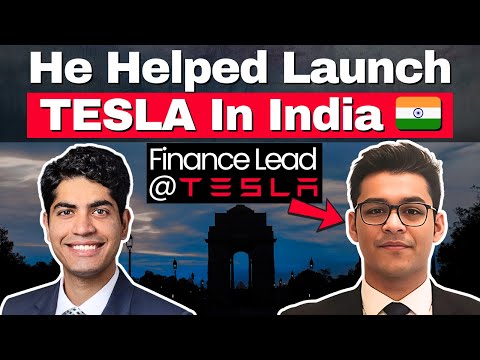
How does studying in Europe prepare you for launching one of the most innovative companies in a country as complex as India? In this dynamic episode, we sit down with Supra , a global strategy professional who helped expand Tesla into new markets , including India.
Who this is for
- You are making a career move across countries and the paperwork is part of the stress.
- You would rather hear Supra's version while the mess is still fresh than get another polished hindsight sermon.
Key takeaways
- Leverage a European Masters Degree To Help New Markets Expansion for Tesla (Launching Tesla in India POV) - w/ Supra
- Ready Set Do podcast. And in this episode, my guest is Suprati Saha. Supra is a staff program manager at Tesla and the...
Fast scan timestamps
Transcript
The full conversation, right here. Auto-captions, lightly cleaned, still very much a real human conversation.
Here's a question for you. What goes into launching one of the most recognized car brands in the world's third largest car market? Battling through tariffs, compliance as well as regulatory hurdles. So I was going back in the flight and they happened to be a cricketer on that flight. He was also discussing like it was sort of glanguli actually. I don't need to gateep this. I've never seen a country of 1.4 billion people talk about one thing so unanimously. I'm Naman Pandi. This is the Ready Set Do podcast. And in this episode, my guest is Suprati Saha. Supra is a staff program manager at Tesla and the finance lead for new markets expansionist. Supra worked directly on the financial side of the house when it came to the Tesla launch in India in July 2025. And in this chat, he takes us through his journey through getting his
master's degree in France, the work culture in Europe, and no, not always August are off completely. How he ended up at Tesla in the Netherlands and of course his experiences on the ground when the actual launch was happening in Mumbai. I don't want to sugarcoat it, but France, Spain, it's a bit tricky. Most of the jobs need local language. How would you describe what transformation is having done that for such a long time in your career? In line with our theme of learning from high agency individuals who are just a few steps ahead, my goal with this episode is to spotlight how a masters in Europe can set your career up for success with intersecting disciplines like transformation and finance. I could have stayed in France and got a citizenship.
That was something that was never that motivating for me cuz I feel like Subscribe on YouTube and any of your favorite podcast apps for weekly episodes featuring high agency individuals and daily clips from those episodes on YouTube and Instagram. And now without any further ado, here's Supra. Supra. Welcome to the only podcast in the world featuring stories of high agency individuals who are just a few steps ahead of us. Chupra, welcome. Thank you so much Nan. Thank you so much for giving me the opportunity to do this. Uh I'm super psyched to be here and uh yeah, hopefully it's going to be a fun chat, right? I think so. And I know you go by Shupra, so that's what I'll be referring to you from this point. And obviously like like you said, really excited to jump into all of the cool Tesla stuff, right? Uh
I'm just buzzing to know about how all of that works behind the scenes. Uh how you pulled off such a huge launch. But um before we get there, I do want to start off, you know, a little further back down the road if you will. And I'm just trying to explore um what your journey was like obviously to get to this point. And then I know that we have in common uh the fact that we're both international students, we we both after our undergrads, you know, moved to countries that were not India to pursue our masters. And obviously because I went to the US and I think just from what I've heard from my peers and such, Europe has a very different almost uh just some pre preconceived notions and such around how stuff works in Europe and I'm actually you know not at all aware of like how the master's curriculum is structured what your what
someone's experience might be like. So can you speak to a little bit about your master's experience in Europe? What you studied where you went and just you know what was it like for you overall? Yeah sure yeah sure sure yeah I think I think was really fun to kind of also connect our nodes right I mean you're from Kolkata I'm originally from Kolkata in India so yeah that was super cool but yeah I mean I think the to start off with the journey right I I did my mechanical engineering in in VIT university in India I joined mechanical like I I went to the went first day in the university and I just realized that I I'm not that big of a fan of engineering right right from the get- go Uh and yeah, I I was just like super focused at that point to just kind of uh finish that as as soon as possible so
that I could pursue other things because like giving up was essentially not an option cuz you lose a year and that's that's that's pretty significant at at like 17 and 18. Some people obviously have great reasons to do that. Uh but I was just not in that state of mind, right? And uh yeah, so I I finished my engineering as quickly as possible. So in in VIT we got the opportunity to like take more subjects in in a in a semester um and kind of get done with it. So yeah I finished it in uh 3.5 years and then I wanted to just Yeah. Yeah. That was um that was that was a journey. Yeah. Yeah. Interesting. Yeah. It was tricky. Um I can imagine. Yeah. Cuz I do remember my last semester being they had like a big co-op component, right? But there were still other subjects. So that's actually really cool that you didn't
even Yeah. that you wanted to get done with it so quickly that you were like I'm out. But uh yeah, VIT was a was a challenge. It's it's it's super tough. Um it it was a journey. Uh I remember the first semester I I I joined VT and and I had chickenpox right before the exam. So So I I essentially missed the Yeah, I I missed the first semester all my exams. Um uh so yeah, it was a journey. I think that kind of also made me into the person I am. Kind of laid a good groundwork for all the future issues and then hurdles that you face. Um yeah, character development as they say, right? right? Yep. Yep. Yep. It's it's it's uh yeah it was it was like looking back it was a very strategic decision, right? So like obviously a lot of my friends were going to the US um I was looking at US. Um I was kind of evaluating like cost uh post
study visa option and then ROI right uh like in in hindsight I was doing that at that point I think it was more like a jumbled sort of notion but yeah so US was a bit too expensive and and the way I see people leaving India to go to the US is like high risk high reward right uh uh true true definitely yeah it's like you you put in more and with with the promise that you will get in more like wealth creation is till date I think the highest in the US compared to anywhere else in the world right um so yeah I saw US as high risk high reward uh UK wasn't really an option because they had very unfavorable post study visa options at that point and hence I was looking at France um and yeah so my university was was uh pretty well ranked the course I did was uh 16th in the world uh they were giving me yeah they were giving me a good scholarship
um and and they had pretty good post study visa options. And what uh what school and course was this just for our listeners? Yeah, sure. That so the school is EDC Business School. Um it's one of the GR what they call the GRI call in in in in France. Um and the course was uh masters in strategy consulting and digital transformation. So something that I was also kind of uh looking at I necessarily did not want to spend three more years after studying for three and a half or four years again. Uh I really wanted to get back into the business world. Um that that I found that calling in in in Mumbai and uh yeah so that was it. That was uh that was France. Uh was was was a journey like it it kind of uh yeah it was it was really cool to be in France but then there were significant challenges that came in later but maybe we can go into that later
but uh I yeah yeah sure. Yeah. Uh up next, I'm I'm trying to curious about what maybe if you can go over obviously it sounds like you had such a nice experience there, but maybe a couple courses or any random anecdotes in terms of things that stuck with you that you really enjoyed. So just for you know context um I studied engineering management. Uh so how that works is you get and you're maybe familiar but just for our listeners um you get half of your credits from the engineering school and the other half come from the business school. Right. Oh, cool. I didn't know that actually. Yeah.
Oh, yeah. Yeah. And that's kind of one of that was one of my biggest reasons for doing that because similar to you, I was also kind of overengineering a little bit. So, I was just at PWC. I was just okay. Um, writing code. I was a software uh consultant. I forget the exact title. Technology. It's funny, you know, just how time flies. Yeah. And it's just not relevant anymore. But anyway, so I was doing that and then I was like, yeah, this is great, but I would I want like a bigger picture, right? I want to have a bird more bird's eye view of what the work is and what how where I fit in. So that's why I went for that and we had this course. It was called strategic management and it was just basically like I don't know 16 case studies non-stop. Every class was just a case study. You had to read the case before you showed up to class and the
class was just a discussion around what the case was. And it just blew my mind because I had never ever experienced something like that. I was like what is going on? How is this? Yeah. Why? Why am I getting credits for this? It was just insane because I just enjoyed it so much. So, did you have any experiences, any courses or any anecdotes that you think back to fondly during your masters? masters? Yeah. Yeah. Sure. I mean, I think firstly that's that's super fascinating like to do half your half your stuff like it's cuz like engineering I feel like gives you the lateral intelligence to kind of go out and do pretty much anything that you want. Um but yeah, my course I think uh I just never had any a school where like essentially collaborating was the main key thing that you need to do to be able to get
credits. So that's that's like it was pretty much central in all of the courses that I like all the courses that we had pretty much all of them were like group projects. And what really like was very refreshing for me is like for example like if there was one course where we had to do like a uh plan the strategy 3 to 5 years of FMCG companies right and we could like the universe like FMCG companies is essentially all all products around us in general. So the universe is firstly uh like endless and then the there's no one right answer right. So that was that was something super interesting to me uh after like only being educated in India to go to a place where where you get the feel that uh there's not one right answer to to certain things right and that's such a good call out. Yep. And as long as you can back your answer up
right you will get credits for that and that's all that matters and funny that's how the real life works though. Yes. Yes. Yeah. Definitely also a fan of that. Yeah. But sorry, I didn't mean to cut you off. No, no, no. Uh I mean, yeah, I'm just looking back and thinking about it for the first time. Uh I think that was the most refreshing part and it was pretty much central to um to everything that we were doing. And and the other thing is like also like certain things which which I feel when you're at UD you don't get to grasp the importance of and I looking back at VIT and at EDC um I'll just give a couple of examples like please please yeah like some people were working on solar stuff like solar projects as their final year project in bit uh and then for example I was working on digital transformation in the in the traditional
banking sector as my final thesis in in EDC EDC uh these things at that point were would be considered as projects whereas now they're they're pretty much like fullblown companies like there's so many interesting um companies at this space the the digital transformation of traditional banking like Revolute and and companies like Monzo they are they're brilliant in terms of like they have just created a new sector and I I probably never realized that when I was working on that we were probably learning the same thing. So yeah and and also like the people who were doing it like now I see brilliant people from my universities doing um like 0ero to1 things that are that are insane. I I think that's sometimes at least for me personally I didn't get to grasp that that it was happening in real time when I was in uni.
So I guess from that can you walk us through how like employment works especially if you're an international student and then kind of walk us through essentially kind of how you ended up at Tesla? Yeah, sure. I feel like you kind of start like you kind of get to know the real world after you're out outside university. Um, so for me Yeah. Right. I mean I think Yeah. For you probably also it would have been the same, right? Like when you went to Chicago, I guess. Totally. Yeah. Yeah. Yeah. 100%. Yep. Yeah. Um, so for me like going to France, uh, what I didn't realize uh was the importance of knowing French. Um like what you have to understand is like EU is is essentially a fragmented uh landmass of different countries different culture historically they have always been fighting and it's been very recent in in terms of like the history
in the very recent past that they have actually come together right uh there's uh the the language especially in France is it plays a very big role um when I was in uni I was super protected like everyone spoke English in the university the teachers were uh who were communicating only in English. We did face some challenges when we went out. Uh but again again you're in a protected environment. You don't really pay attention to that. Yeah. Yeah. Um when it come when it came to like the actual job search um unlike in India and I'm I'm sure it is the same thing in the US there's no like recruitment drives happening where there's mass recruitment. Yeah. It's all you, right?
And um yeah, that was super challenging like to get uh the first job even even though you went to the best university as an international student who did not speak French was was super tricky. I must have like sent out 400 to 500 maybe even more applications uh just to land my my first job and that was a real wakeup call. Uh and when I did land my first job, like I I would get first out interviews, we would go through the entire process and then they they'll be like, "No, we need French, like we need fluent fluent French for this role." Um so it wouldn't work out. So that was a really tricky process. So my my suggestion to to people coming into to to France or or like in Europe in general is to be mindful of that. either you you have to know the language or you have to be really be willing to learn
the language the local language right um yeah Netherlands where I'm currently based out of is a bit different it's um it it's very like English is widely spoken all the jobs mostly are are in English so that was that is super refreshing for me but um also to a certain extent Germany but I think till date I don't want to sugar coat it but like till date France Spain it's a bit tricky key most of the jobs are are need local language and it makes sense right because like jobs are about communicating like it's it's most it's 50% communication in general right so you need to have yeah um yeah just a quick followup yeah just a quick follow up on that obviously so because and how long was your course firstly like how long was it at your masters yeah it was one and a half years actually actually got it yeah
so you were probably starting to or like you were probably practicing or trying to learn French this whole time, right? Or is that not true? You you were okay. Yeah. So, we we like the good thing that the uni does I think all of the uni do in in France is they start you off in India like you do the A1.1 in in India right away. Uh so I did A1.1 in in French in in India and then I moved there. Um and then Yeah. Got it. And then you continued to learn for one and a half years and you're trying to tell me that it was still so hard in the interviews and it just wasn't enough. Is is that right? Yeah, it was. But that's the amount of proficiency that they need. Like you need to actually be fluent and just like broken passing off French is usually not enough. enough. No, like I think there's two categories of of jobs. Most most of the jobs fall
in the category where you need to be fluent in French and then that there's a small sliver of jobs which are you need to be okay in French and and good in English and you can get away with it. Uh the problem is all the international students are competing to get that sliver of right of the jobs right u so that's the tricky bit uh and to be honest with you like I was so I I I managed to get my first job I moved over to the second one uh and I was in France for four four and a half years um so I was obviously speaking French but I still felt that uh it was a bit difficult for me to integrate into the society uh just because of the language. So I I think it's a it's it's something real that people need to be wary of.
But on the other hand, I know people who were really who really wanted to learn French as well, right? And and they kind of started the journey ahead in time, learned French, excelled by the time they were in uni, got pretty much the the the most lucrative jobs that that they wanted essentially. So that's also a possibility. I don't want to discourage people as well, you know. Yeah, I appreciate you sharing both sides. Um, and I am curious about what you said that uh you felt it was difficult for you to integrate into the French society mostly because of the language. Um, excuse me. Now, how does that work exactly? Like maybe do you have an example? Like obviously I can think of how that would work where maybe you're at I don't know like a restaurant and you order something which is not in French and you get like a funny look. Is
it something like that or is it more nefarious or more malicious than that? I I think it's it's I you would imagine it would be something more uh malicious or or nefarious, but actually I think it's more innocent. That's that's the good part. part. It it does not necessarily translate to something bad. It's just how human beings work. you know, like if you go out to a bar with with French speaking people, after a couple of drinks, they'll just naturally move on to French. Like that's how human beings work.
That's that's their, you know, base level of communication, right? Um, so that's where it becomes a bit tough like and and for you as as an individual, your base level of communication on the other hand is probably English or or something else. Um so that's where I felt the the gap was happening. Um like socially um yeah uh I that's coming from outside the country it's so tough to to judge that because we necessarily have not felt that in in our own country ever. Yeah. Well, maybe some places in the south, right? Sometimes you would know, you've been to VIP, VIP, but but but not as much. And I feel like even that is from what I see or hear at least is becoming more prevalent now. I don't think it usually used to be a problem around the time we were in undergrad. I would say at least personally and I was in Bangalore. I at
least definitely did not have any you know like bad experiences about like language and such. But yeah, definitely what you said around um defaulting to one's base obviously that's you know completely justified I feel right. Yeah it's just a comfort thing right you just want to be feel comfortable and then so from there so you mentioned you had a couple jobs in France and then so did the Tesla job bring you to the Netherlands is that what got you there?
Yeah. Yeah essentially I mean um I was there for with uh in a company called Score SE. Uh they're the fourth largest reinsurer in the world. Before I left for Tesla, it was a super cool job like uh I was working very close. I can speak more freely about about this company because I'm not with them uh anymore. But uh yeah, I was working for the deputy COO and the CEO. I was very lucky to be this is all luck. This is I think it's pure luck. And then yeah, it's like what is it 99% perspiration 1% luck or something like that? Yeah. Yeah. Yeah. Yeah. It was uh it was that uh so I really got to see like it was super finance heavy and I really got to see like how leaders like I started to see how leaders think in in in organizations. I was there for two and a half uh no almost 3 years uh and I felt that yeah it was uh it was
time for a change. Um, I could have essentially stayed in France and and got the the citizenship. I it that was something that was never really that motivating for me cuz I feel like if you really want to be somewhere and if you have the skills, people will kind of let you be there like companies will hire you in in a in a given space. Um, yeah. So, so I mean that's that's pretty much all the the call that all internationals going to US are are are believing, right? like they know that we we we will develop the skills to be able to get hired, right? Yeah. Like that's the plan anyway.
And and then obviously there's some there's then just other factors, right? just like the market and such which obviously no one can control and um obviously sometimes even political environments uh sometimes can be not uh conducive to to internationals but um yeah irrespective and then so for the tests offered or like that job did you just like normally apply maybe with like a referral or something and then just interview is that how it works or is is it something more different than that?
No, no, it was uh again uh it was I think uh yeah it was luck uh think uh I think uh yeah it was luck uh and and uh yeah and then to a certain extent hard work I applied uh we we interviewed um and and we got in. I'm I'm super grateful for the people who hired me uh into the team that they hired me. Um I mean looking back I think subconsciously I always wanted to be parts of like the way I see it is that like the the the job that you have is is basically you giving 8 hours or more per day to to solving a specific domain of of problems, right? Um and and how I saw when I was like applying for Tesla and and uh and Tesla in general is that like the these are the problems I would want to solve. Um so I was super lucky to kind of um yeah have the faith in me to to get in. That's awesome. Yeah. And uh what was
the job exactly like what is it that you were doing at least when you started? If if you're still doing the same thing then obviously that but yeah what was the like job description? Right. Yeah, I think so. I I started as a senior program manager. Um then I Yeah, then last year I got promoted to staff program manager. So yeah, essentially like managing uh large finance projects that that need to be kind of uh yeah dealt with a lot of mostly like cross functional stuff which I really enjoy uh impacting like multiple teams or always sitting between like I think historically in my career I've always sat between somewhere between the technical and the business. Uh that's what I enjoy like being able to see both both sides of things. Um uh yeah and it was similar it was pretty much that um and then over a period of time I think
uh it like I added the scope of like looking into the finance finance aspects and the finance setup for new market entries. Uh oh interesting. Yeah. But yeah, essentially it was pretty much that. Uh and uh and then uh so obviously because you said your degree was somewhat related, right? You because you said it was in um strategic and something and and transformation. Sorry, what was it? Strategic. Strategic. Uh strategy, consulting and digital transformation. transformation. Strategy. Okay, there you go.
It's like a song. Here you go. Yeah, Yeah, exactly. Yeah. So my current job is actually that also of a transformation analyst right so and again I I'm obviously sensing a lot of parallels even with the engineering management degree and all of this so one of the questions that I get often that honestly admittedly I struggle with a little bit is what is transformation right and and this is not like an interviewer asking this is just some friend that's like okay great this is your job but what is it like what do you do and you know just I I don't know if I If I've nailed down like the 90 secondond elevator pitch or whatever in an ideal world that would be 30 seconds just just because of it like not everybody needs to I don't need to talk somebody's ear off of what I do which is not the most according to me
glamorous thing in the world but um without any obviously time restrictions here I am curious to you know pick your brain on how would you describe what transformation is having done that for such a long time in your career and also obviously because of your master's degree degree uh in that as well. Yeah, sure. I think the way to answer your to answer you frankly like I I don't know what it means to be honest with you. the the way I see my job in general like I was saying right it's like I mean I see projects as problems right it's like there's a problem you you kind of mobilize people to solve that problem you can't call a problem you can't like mobilize people behind like just naming a problem right you have to call it something a bit more directive and and informative and a bit more actionable and that's a project
right um so the way I see it is like it's just a bunch of projects to solve a bunch of problems s that helps us get to the end state we want the the organization as a whole to go to us. Uh that's how I see uh I I kind of always break it down to like okay problem how do we solve it? Yeah. What? Why? And how? Um I like that. Yeah. Yeah. Yeah. I like that a lot. What you said about projects are just problems. I I think that's a super straightforward idea to grasp for most people. So yeah, I think I'm going to be using that more often from this point. So thanks for sharing that. Um and then yeah obviously coming back to the you know Tesla stuff obviously the launch in India was such a huge deal right it I think that's all I saw on Twitter for two days straight apparently no one wanted to talk about anything else and so obviously I
understand that there's a lot of this that you're not supposed to talk about or would not be comfortable sharing so I completely understand uh and obviously especially want to thank you for like you know being on here despite that but obviously having said all that I am still itching to know what you can share about a launch like that you know like what sort of work has to go in behind the scenes and I know you were more involved with the financial stuff which is obviously one of the most important aspects of all of it right so trying to not be too closedended here because I don't know what you are at the liberty to discuss but really if you could paint a picture for us kind of how the project first fell into your lap app um and you know anything you can share about the actual behind the scenes work before the actual actual launch.
Yeah, sure. I think so like you said right I I cannot really go into specifics so I'll try my best to kind of also paint the the picture with what I can share. Uh obviously a lot of that is is is probably a bit masked but I I will still try to give the best overview I I possibly can. Sure. No worries. Um yeah I think I think the the the the the first thing that comes to my mind when when I look at the India lodge is that uh is the people right we we literally I mean all market entries as you can imagine will impact a lot of cross functional teams and just to be clear like the the teams I think that when I say the people I think I was doing a very small part of the actual hard work like as as everyone knows right like India is a is is India is 1.4 billion people um to govern 1.4 4 billion people. You need to have some very
unique laws uh regulations to attempt uh to keep people in checks and balances, keep things legal, keep things in a in a process as much as you possibly can. Keep things compliant, right? Maybe to keep things compliant. Exactly. So um it's a it's a beast when it comes to enabling international companies uh to work here compliantly uh and and successfully right it's when you look at India it's like it's so it's massive um and that's why it was super interesting I think the the teams that were involved they did uh they did so much hard work to make this happen um yeah that's what I can essentially say like I'm super proud of of the team um yeah and and I also feel like like how I've seen India over the last four to 5 years. I don't know if if you've seen this as well in the winters especially, right? Uh like with the whole
uh smog situation that is there in the cities. cities. Uh I I feel like it wasn't the I I don't know maybe I'm actually let's go let's understand maybe your perspective. Uh over the last 5 years have you also like seen the the deterioration in the air quality in particular? Yeah, Yeah, excuse me. Yeah, definitely have seen that. Um, what I'm not 100% sure about is if it just kind of always was there and I never noticed. You know, just a classic case of recency bias.
But of course, I've seen that. Yeah, I've I've been back uh a couple times. Once in December, once in October. Both times it was like very hard to look anywhere into you know the sky and actually see anything because it was just like it's like a filter of uh you know just a light gray which is not the nicest thing to look at and obviously it's kind sometimes it makes my eyes itchy makes my throat burn. So for no for sure you're not the only one that has felt that for sure.
Yeah. And and so I think that kind of gave me like a lot of motivation to work um like I it's subconsciously harder on this project because it's a problem that I think needs to be solved. It's a it's a problem that will get solved by uh various things not just by Tesla being in the market but it's definitely one solution to a large problem right it's it's like the way I think in terms of stats obviously the air quality is much more geographic in nature like with the stubble burning and and vehicular emissions but like cities like Kolkata I think it's mostly um vehicular emissions that that cause the the the smog and and it's got long-term facts, right? This I feel like when I was a kid, um it it wasn't to this degree uh for sure. I it might be a bit of recency bias like you were mentioning. Um no, I think you're right. Actually, I I
would agree with that. I can definitely think of some times where even in 2018 2019 which was like the last time I was actually living in Kolkata where sometimes with the sunsets used used to be so beautiful like it was like you know pink and orange sometimes and and and yeah I just don't you know see as much of that anymore and honestly like Kolkata is already immune kind of because we're a bit closer to the ocean or like the sea Arabian Sea, right?
Which helps, right? Compared to the more landlocked areas because I mean Delhi, Gura, those areas are just at one point it was like what 800 last year, you know, and like it's just it just hurts my brain to even think about, you know, like a child living there and breathing that air. Like imagine what it's doing to you know that body. So yeah. No, that's super interesting. And then in terms of what you said about like the extremely you know diverse geographies, how do you cope with challenges from that like you know obviously you need to have meetings right to get something figured out and if the next day is just simply not even available for 2 days somebody goes on leave you know just breaks down like is do you have any um thoughts on how and this doesn't even necessarily you know has anything to do in particular with Tesla right like I
face this problem at my work. So like yeah, how how does one deal with that type of thing? Do you have any like notes for that? Yeah, I think I mean for for for for the unfortunately sounding a bit more rigid but I think it it it at the end of the day it's just flexibility you know like how flexible for me personally I can say that and not just like in Tesla or anywhere or anywhere I do like how I see work is like um if something needs to get done it needs to get done. Uh I understand that different people like view this differently. Uh but for me that's the case. It's like as long as I can be flexible without it actually affecting my personal space and and well-being um which is personal and not governed by some um external rules like that I need to work 9 to5 and and that can be like like what I want to say is like someone
can have their personal uh ethos of working saying that I work only 9 to5 right um someone else can have a personal ethos of uh 9 to 8, right? So, the way I see it is that as long as it's not affecting your personal ethos of what you see is acceptable and uh not um trying to be flexible goes a long way in in solving some uh some of these challenges. Um uh but I understand that's not that's not how all uh organizations work. Uh not how all individuals work. Uh and I totally respect that. Right. also uh but you have to be comfortable in in in terms of the flexibility you're providing. Um Mhm. Yeah. And or well yeah first of all I love that call out right because again I think it just also speaks to as you were saying the culture of organizations where yeah like why am I here to solve this problem? What what is it going to
take me logging in 2 hours after I'm supposed to have been logged out? Okay, you know, sure, why not? Like, you know, I I'll I'll do it. And and I think that's just such a good call out. And I love that so much because think of think of how many times that can be the difference between a successful launch, something a project well done, a project done on time, right, versus something that extended for two longer months just because somebody was like, "Yeah, I'm okay. I'm not doing that tonight."
So, it it's so interesting in that in that way. Yeah. I think I think to a certain extent all individuals like factor in the cost benefit of doing that. Um is there renumeration or job satisfaction equal to the cost of putting in those extra two hours? I think on a on a on a macro level everyone sort of doing that or complaining about that. Um so uh yeah I think uh yeah that goes that goes a long way. I think that's a interesting nugget. Yeah. I don't know if you feel the same in in with with what you I mean US works a bit differently right u if you see the same amongst people.
Yeah. Um I would definitely say and it's funny how right cuz on I see on Twitter and such how uh like Europe is the one that is projected to be oh we we're taking August off right no work August or whatever like don't don't put any meetings on my calendar when for all of August. And I'm like, wow. Okay. Um, but I think the thing that's still common, I would say, is that, well, firstly, yeah, the US, I would say, goes a little harder than the UK from what I've seen, just in terms of like the hustle culture. I don't know how you would describe it. But just as an atmosphere, yeah, it's not obviously you're not expected to do that every day, right? No one's ever do, at least in my industry. I have not that's not something I've seen. But I mean yeah I don't like it's very similar to what you were saying basically is that a is it
happening every day b is there a real use for it and c you know is there like a not a transactional but yeah either job satisfaction or um relevant renumeration and if there is then you know people just just trying to do it but in general from my understanding uh obviously I've never even been to Europe let alone work there although I have worked with European uh counterparts at my organization which is a global organization as well. So from what they say yeah it's like way more you know relaxed and chilled out from what it sounds like out there in Europe which I don't know if you would agree with that.
I I I think I I have seen sometimes it to be not just in Tesla but in in general sometimes I think they really choose where they sprint. Sprint as in like really dig in deep uh very well. uh like I was saying they have that personal ethos like in general we also like everyone has that personal ethos that hey I'm not going to probably work two weeks in August but I'm going to double down um when when I come back not for all people but I have seen a lot of people do that um um so it I think sometimes I feel it's a little misfounded the whole approach that in Europe people are chilling a lot um But people do enjoy their their freedom also. Uh Europe is like yeah it's it's like a it's it's a it's a continent of at least Western Europe it's like the continent of great equalizer. It's like everyone's kind of equal. They they're
everyone's somewhere in the medium right um without having to do something extraordinary. Whereas in India or I think US as well it's so meritocratic if if you need to really excel to be uh median or above median or that's the expectation right um so yeah it's interesting in that regard but I I think um I think Europeans do know how when to double down at least some of the interesting interesting some of the people for sure yeah makes sense yeah and definitely not something I was aware of um I I was just like you know you're just protected So, so you could do you you could do whatever and like the 10,000 10,000 million regulations will just uh protect you. No, I'm just that that that is tricky. That is that that that is tricky. Sometimes sometimes there's a lot of red tape. That's true also.
Right. Again, I I don't know any of this. This is just random stuff I pick up mostly on Twitter. Um and then so coming back I guess uh obviously we discussed about the pre-launch phase and then similarly would you be able to share um anything about the actual launch or after that how like the reception has been and obviously I know there's there's been a few things said about the pricing which you may or may not want to comment on totally up to you um and then even just other anecdotes such as somebody was mentioning that um cash on the site means something very different in India versus like the us right cuz here obviously it implies that you're willing to pay but in India cash is like actual you know like bundles of cash I don't know if you saw that it it got kind of viral so yeah just kind of in this entire umbrella of things yeah I
guess what are you willing to speak to in terms of the post launch uh event yeah sure so I mean I can definitely not comment on any of those particulars but what I will yeah what I will tell you is that and this is super like this was super moving thing to see right um firstly like I I was u in Mumbai and uh I was flying back from Mumbai so the I have personally never seen this amount of media coverage for a brand in my life I I don't know if you have right um yeah no that rings true actually it was crazy it was just crazy it was it was it was crazy and that made me so proud because of all the all the hard work that all the other teams have put in right uh I feel it more I feel the pride more because I I look at it as a way that I'm bringing a solution like I'm helping bring in a solution uh to the country at at the right time but for
me that was um that was pretty much insane to like see like I remember I was taking a flight way later at night uh and I was in the airport and even then on the TV u like all the major news outlets were covering doing this um and and everyone around me were were actually talking about it. So I was going back in the in the flight and there was a there happened to be a cricketer on the flight. Um and I couldn't help but over hear that he was he was also discussing uh like Tesla. Yeah. Yeah. Yeah. Uh it was sort of Ganguli actually. I don't need this. Yeah. Yeah. Yeah. So yeah. U so yeah he was uh he was essentially discussing about Tesla. So I mean for me that was it was really it it was a really proud moment um to to be a very small part in that in that conver in that overall conversation. Um uh but uh yeah but it was super cool to see.
I've never seen a country of 1.4 billion people talk about one thing so unanimously. Yeah. And and then remind me Supra, Tesla doesn't have offices in India currently, right? Like just for people outside of manufacturing and such or or or do they? No, there's there's there's local offices as well. That's also sort of a proud moment for for uh Yeah. for the country that I mean we obviously have like India obviously has like a brilliant talent, right? Absolutely. Yeah. So it's just a perfect synergy in general, general, right? And and but when you were talking about like the pre-development stuff uh was so the India team must have been involved with that as well like you would have gotten to work with them right or were they not as much involved? Okay. Okay. No no I uh like I said like everyone from pretty much uh yeah like all the
crossunctional teams all the local teams everyone was involved. So yeah. Yeah. I guess so what I'm trying to kind of building towards a little bit is in my experience I've also had to work with teams in India um while I was in the US and it's always such an interesting experience right because you're obviously from there but you're not on their team and you're kind of you know like in a different team and I just think it's so interesting and I actually don't know anyone else that does this.
So yeah, I'm just going to ask you how is that for you and are there parts of it that you like, do not like just you know trying to get some open-ended thoughts on this piece of you know working with Indians as an Indian but not from India. Yeah, I think I think what I can say is that like like as as an individual I think I have a few bits and parts to myself being Indian and and from India is is a big part right. Uh and it's also like like for example I just feel closer to to to the people I'm working with cuz I share a lot of the uh cultural nuances with them. And it it probably also happens when I work with French people now cuz uh they Yeah. So, uh like I I used to work a lot lot with French people in my in my in my old role. U now also I I do sometimes.
Um and yeah, I it's just that natural human uh overlap of experiences that kind of helps you uh yeah connect with more people. I mean people who have seen the world I I feel like or or have traveled internationally uh I feel in general can can connect with more people uh more easily and I think that really facilitates when you work together because you need to be collaborative and and move towards a common objective but uh uh um yeah so I think that was that was super cool for me uh as well I mean I've in my previous roles also I've worked with okay uh nice people from people from India and working in India uh but Yeah, that was uh I think that's the that's what helps the the collaboration a bit more. Yeah, and unfortunately I cannot share more details, right? Completely. Yeah, totally understand. Of course. And then yeah, really last
question here before I let you go. If there is an Indian international student that is watching this from anywhere in the world or maybe even a prospective Indian international student so maybe a student in India that's considering going out building a life for themselves in a different country and you can only share one piece of advice with them what would that uh advice Oh that's a that's a great question that's uh that's a toughy um I think I think the answer is like leveraging AI I uh uh AI is going to be and is already it just enables you to get so much leverage in the output work that you're doing doing uh there is no way you cannot be a part of this um if you want to be uh ideally contributing in a meaningful way to any society um right I I I feel and and this is only my personal thought I feel like
um India might I don't see as much as I hope in in India in terms of like AI um in general like progress like we are still looking at we are still like glorifying glorifying um logistics and operations companies right like 10-minute groceries things like that uh or just GPD rappers you know or just GPD rappers I mean to be honest with you I don't know a good GPD rapper from India also crit remember when that was a thing Yeah. Yeah. Kim Mayi I think. Um and even Ola had something right. I think they were also wait Ola's I guess.
Kim was Ola, right? Yeah. Yeah. I I I think they are in a bit of trouble. That's what I saw. Right. Exactly. Yeah. So there Yeah, you're right. Like we aren't doing anything from the from the sounds of it. Yeah. And that is concerning. But what I fear is in that move, have we stopped, have we like forgotten about maybe making things more packaged and more and more like you and things in a much more processed manner. Um, which like stops us stops us from sort of implementing AI solutions. Uh, sorry I I kind of digressed a bit. Sorry, I don't know where are. I just want to take your thoughts on this also. Yeah, I would agree with most of what you said actually. Um I love that. I love how relevant that advice is, right? Because there is no other time I think in history where that advice would have been relevant, right? Cuz when we were
going out, there was no AI. We just Google things the oldfashioned way. And it's crazy to have to say that. But that's where we are now, right? Like now I have when I'm trying to find information on the internet my first decision point is do I want to Google this or do I want to chat GBT this right and that itself I feel like is such an such a monumental shift that we've we've gone through in less than two years now yeah something that has been around for 20 years right like Google has exactly and suddenly it's not even a sure shot like do I want to Google this I don't know right and then when you say that for an international student. I can like immediately when you said that like I thought of a million things that would have that I would have saved thousands of hours doing if I could just you know
use AI like writing I don't know I used to write my own cover letters granted they were usually mostly the same and I would just replace like the company's name and their I used to quote their mission statement so I didn't used to replace those two things but everything else was the same except I hand wrote that why was I handwriting this true and again there is still a utility to doing that, right? I'm not saying that that's like a bad thing to do, but at least there's an option now.
Like, so that and yeah, obviously I can think of dozens of things that immediately can be automated, made more efficient, etc. So, I actually really like that call out and it's not something that I've heard people say before cuz people are normally like, "Oh, go out of your comfort zone." Like, okay, great, thanks. But yeah, I just love how relevant and actionable that is. So yeah, definitely agree agree with what you said.
Yeah. Yeah. I think uh I think one way or the other is the future. It's true. It's true. I am also definitely super bullish um on AI and where it's taking us. But um yeah, Supra, thanks so much for taking the time. Um truly been such a delight. I've learned so much um so so many interesting nuggets around immigrant life, right? international student life working in corporate Europe. Um yeah, so many fascinating experiences that you've shared. Thank you for all the amazing work that you do uh for India and elsewhere and all of the teams that you know help you to do that work and yeah truly been a delight and I hope to have you back one day soon maybe when you know there's a new big next launch and that maybe hopefully you can talk about a little bit more freely.
No, I'm just kidding. Um but but yeah, thank you. Thank you so much for for taking the time. It it really means a lot. lot. Yeah. No. Well, Nan, thanks. Thanks so much. I I've never done something like this. Um it was super refreshing. These these the the conversations I've had today I probably had around like a few glasses of beers with my friends where we are discussing like life and philosophy. So I'm glad I could I could like kind of present that side of my of my personality as well and and not be like super interview like. Um so yeah, that was really cool. Uh thank you. Thank you so much Nan for having me. Uh yeah and until next time. Right. Absolutely. Absolutely. Perfect. Perfect. That brings us to the end of that episode with Supraik Saha. I was just blown away by his incredible experiences while in Mumbai. It must have been so
unreal to see that and to know that he played a part in all of that. Right. That's probably the coolest part. If you would like to support me, random segway, but if you would like to support me, the easiest way to do that is by subscribing on YouTube and leaving me up to a fivestar rating on Spotify or any of your favorite podcast apps. If you go tell a friend about how you found your new favorite podcast, that absolutely means the world to me. And please also leave a comment with any feedback or guest suggestions. Catch you all in the next one. New episodes every Wednesday.
Transcript-backed moments
A few lines worth stealing before you hand over the full hour.
Here's a question for you. What goes into launching one of the most recognized car brands in the world's third largest car market? Battling through tariffs, compliance as well as regulatory hurdles. So I was going back
regulatory hurdles. So I was going back in the flight and they happened to be a cricketer on that flight. He was also discussing like it was sort of glanguli actually. I don't need to gateep this.
actually. I don't need to gateep this. I've never seen a country of 1.4 billion people talk about one thing so unanimously. I'm Naman Pandi. This is the Ready Set Do podcast. And in this
the Ready Set Do podcast. And in this episode, my guest is Suprati Saha. Supra is a staff program manager at Tesla and the finance lead for new markets expansionist. Supra worked directly on
expansionist. Supra worked directly on the financial side of the house when it came to the Tesla launch in India in July 2025. And in this chat, he takes us through his journey through getting his
Show notes
How does studying in Europe prepare you for launching one of the most innovative companies in a country as complex as India? In this dynamic episode, we sit down with Supra , a global strategy professional who helped expand Tesla into new markets , including India. From landing a role at Tesla in the Netherlands to navigating the multifaceted challenge of launching in India, Supra brings a front-row perspective on transformation, compliance, and cultural agility. We begin with Supra’s journey as an international student in Europe—what sparked the move, how he adapted, and the raw truth behind studying and job-hunting abroad.
More in Cross Borders
Same mess. Different guest. Pick the next conversation that feels closest to your real life.