
Episode 7
How to (Curate &) Maximize your MS in US Experience (MBA pov) - w/ Shivangi
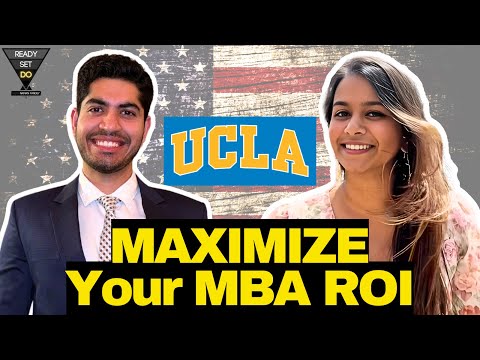
A master's in the US can be useful, expensive, confusing, and wildly overrated all at once. This episode is about getting more out of the move than a degree and a few blurry orientation photos, especially if you are trying to make the whole thing pay off in the real world.
Who this is for
- You are making a career move across countries and the paperwork is part of the stress.
- You would rather hear Shivangi's version while the mess is still fresh than get another polished hindsight sermon.
Key takeaways
- (Curate &) Maximize your MS in US Experience (MBA pov) - w/ Shivangi
- How to shortlist MBA programs - Rankings & Reports (
- This episode is about getting more out of the move than a degree and a few blurry orientation photos, especially if you are trying to make the whole thing pay off in the real world.
Fast scan timestamps
Transcript
The full conversation, right here. Auto-captions, lightly cleaned, still very much a real human conversation.
that I definitely did not foresee is that for whatever reason I now want to get an MBA CU cuz I'm like what is this world it's just it it sounds just then I pivoted and I went into Gates Ventures which is the private office of Bill Gates and I worked there because I was really interested in emerging Technologies so I went ahead and did that for and this was Generator AI last year post that my entire batch went to Vegas for 3 Days uh and I think every break that happens it's very popular like the entire batch travels together in the breaks I think in the spring break Japan was a very popular trip in the first year a lot of people went to Columbia this year never in my life I thought I will go give a speech and be like yeah vote for me so I think that was something that I wanted to get that fear out I was like I'm
going to stand the worst is someone will say no but this fear will go out and I was able to secure that position so I think that was a good personal win where I was like oh I can do this this is amazing welcome to the ready said do podcast where we discuss journeys of not experts who are just two steps ahead of us I'm Naman Pand flourishing not expert and in this episode I'm joined by shivangi Sharma who at the time of recording is an upcoming MBA graduate at UCLA while each person's experience of getting an MBA can be very distinct shivangi can be best described by a term that I contrived the 360 MB so what is a 360 MBA it's when a student can get the most well-rounded and holistic experience possible how does one get that well it begins with academics the core aspect of any MBA program besides the foundational courses that are
mandated a 360 MBA experience will likely involve taking up some courses that you've never been exposed to however the goal of doing that is that these new subjects will then lead to a lot of Divergent ideas and New Concepts that you would not have been exposed to otherwise besides academic a 360 MBA involves attending professional and networking conferences to meet peers speakers and organizations from outside your school very notably it also involves high visibility leadership positions in various student clubs and on campus organizations which allow one to build their leadership and resourcefulness while working in teams towards a common goal the final aspect of a 360 MBA when I envisage that in my mind is a rich social life which really serves not just as a pillar but also as a base of resources that you can embi
such helpful Knowledge from leveraging your cohort of students from all walks of life with such diverse experiences not at all similar to your own we discuss in detail how to go about checking all of the above boxes and also a framework for how to choose and get into your dream MBA School in the US shivangi helps lay down that framework for exactly where to start how to assess your options once you graduate and how to find and reach out to your resume twins which is an incredibly smart tool to understand your future prospects last but not least we also go over the importance of location and really pretty much any factor that one may need to consider when they're making their decision on where to get that MBA degree in the US this discussion is for anyone who is a current MBA student in the US somebody that is merely contemplating
getting their MBA degree from the US or really just any international student in the US as a lot of the 360 MBA concepts are in fact very generalizable to most Master's courses out there in keeping with our theme of learning from somebody that's just two steps ahead of us instead of an expert I'd like to emphasize that this discussion centers on shivangi's experience getting her MBA in the US that in my opinion covers the entire breadth of everything one can do while they're in a business school I want to call out that the 360 MBA might not appeal to everybody out there however I hope that those people can still derive value from certain sections which are timestamped as always on YouTube and Spotify such as but not limited to the prioritization tool that shivangi shares when that foro incredibly hits so for now without any
further Ado my conversation with shangi welcome thank you so much for having me excited to be here I'm so excited to jump into all that we're going to cover here today um I think a good place to start would be can you talk us through the circumstances where you first decided to pursue an MBA and kind of we can build from there around your the specific steps that you took the framework you followed that um landed you at UCLA okay so I think I knew I wanted to do an MBA for a while and I'd been playing with the idea for quite some time and the main reason was that I knew I wanted to be a product manager I wanted to be closer to customers and uh solve more business problems and work cross functionally I think that really excited me uh but uh I actually managed to Pivot and that was one of the popular ways of making it into product
management in India that was one of the most known ways to go to MBA and then come into product but once I was able to make that pivot internally at atlassian when I moved from software engineering and to product I started kind of diluting that idea a little bit that okay is MBA still worth it now that I've already gotten the role that I wanted fortunately I had great mentors at atlassian there were people who were really interested in my personal growth and which is why I was honestly able to make the pivot internally and um I was able to talk with them candidly and they motivated me to go to an MBA they said it's more than just uh about getting that one job that you're looking for it's an opportunity to grow personally and professionally and they were 110% right I'm really glad I got that advice so I think that's when I started looking
at uh pursuing an MBA with a serious intention I would say and this was around 2021 oober on October end and so I applied in round two uh I would advise to apply in round one because as everyone knows that are it has the entire batch to be filled up so there's more of a probability of getting in but I decided at October I didn't want to wait another year to apply I thought I could just go for it so within that span just for clarity shangi when you say round one are you referring to Spring admit and round two would be fall is that right or no so most of the MBA batches I think in Ms it's more so that there are two different start dates so most of the MBA batches start in summer of all so there's no two different deadlines when I mean round one round two round three these are the different application deadlines every
college has a different date but I think they're similar there's like a bandwidth of like two three weeks around which that makes sense dates fall so I targeted round two within a span of two months I wrote my GMAT I wrote I think TOEFL I got my applications in place I got my letters of recommendations in order so it was a hectic two months but I think that's when I decided s like yeah yeah it was looking back maybe not the best idea but actually I had fun doing it uh because I think once I got the clarity that I really wanted to do it it became easier to do the process even though it was taking up so much of my free time which I had apart from work because I was working full-time at at the time and this is during covid we were working from home so I think that also gave me some amount of energy to save and put into this Arena um I can
actually relate to what you're laying out there even though in my case thankfully covid wasn't a thing by that time because this was only in 2019 but I similar to you also kind of made a Mad Dash for you know getting my applications in right at the last moment in that I actually even just applied to three places mine was even more of just uh let's just apply each to check how the whole process works little did I know that you know I would get in to begin with yeah but that's probably a story for another time um what I'm interested in is there seems to be a decent amount of um confusion online about which of the two tests so the gr versus the GMAT is more applicable for uh an MBA because I've seen I definitely know people that took the gr to get into their MBA is there such a thing as one is better than the other or is it just
more of a school dependent situation I think uh again I would advise people do their research but based on the little bit of research that I did uh GMAT was something I had looked at in the past not actively looked at maybe for two weeks so I knew what the exam structure looked like so when I had just two months to prepare it was not a question of thinking which exam to take it was like okay I just know what this looks like let me just start my prep I had no time to think to be honest uh but from what I know I think colleges take both um the scores I don't think they have a certain preference one over the other I did read some blogs where they said GMAT is preferred but in my experience I don't think so I know people who've written gr as well as GMAT and during covid there was also some colleges that
were waving the requirement for GMAT uh that may have changed again uh because again it's been okay it's been three years almost uh I think that might have changed uh but I think yeah it depends on what exam you're more comfortable with if you do have time you can look at both formats it depends on which one you can prepare better to get a better score because at the end of the day you're going to be benchmarked on that score I think that's a great tip and yeah personally as well in a very similar vote to yours um I was more familiar with the GRE so that's literally the only reason why I end ended up taking the GRE I guess alongside the fact that um for you know most engineering or engineering adjacent uh courses I think it's generally recommended that one take the G but to your point uh it is true that most colleges um have waved that
off since and again I don't know if that's still a thing but I guess uh my next question would be um in those two months did you already know the places you wanted to apply to or and if not how did you go about finalizing the wear after you youve you know already landed on the yeah I want an MBA in the US so personally I did not know because people usually get minimum 3 to four years of experience before they pursue an MBA so people from my undergrad batch had mostly done Ms and not MBA so I personally did not know anyone who had pursued this path so I could not rely on their expertise but I think that would be a good first starting point because if you have friends or um maybe family or someone who's pursued this path it becomes easier to get started um so what I did was actually a combination of multiple things again I was short on
time so I used that time in various ways let me break it down I think the first thing was uh just checking I had an idea of what B schools in the US are I wanted to apply to the US I think that Clarity I did have so that narrowed down the first branch and then after that there it was a combination of looking at the top 15 to 20 schools uh on the ranking list to get an idea of okay where do they stand second thing was and I truly believe people should do this is personalize the rankings and not take them too literally which means that what does a school have to offer based on what your background is what you can draw out of it uh the diversity that will be present at that school and also what you want to pursue next so what I mean by that is I think the first step of looking at that would be the college
reports I think each of the business school publishes a report which is what their batch looked like what was the percentage of international students what was the percentage of people that went into consulting or Tech or role wise it's actually a great detailed report it gives you a good first Insight sounds like such a helpful thing to look at especially when you haven't pulled the trigger yet yeah yeah yeah it's it's like a quick first step into just understanding what it would look like uh I think from zero to one it's a good starting point where you get an understanding of what the batch looks like and what it would be like to be there I I think secondary also one angle to look at it is if you have Clarity on what you want to do Post MBA you can see the number of people or the percentage of people who go into that arena for
example if uh let's say for UCLA there is there was a significant percentage of people going into Tech and I wanted to stay in Tech as well so my hypothesis here was that if so many people are going into tech there must be a good amount of support within or things resources available so that was a hypothesis that I took down from I think so it was the rankings then the college reports uh to get a quick first level I think some colleges get eliminated based on that it's it's more of a hunch I don't think there's one true right answer you need to feel it from within because you're going to spend two years a significant amount of money and this is going to be your life it's going to get added to your name no I feel that yeah that totally makes sense and a quick followup on the reports that you mentioned do those vary a decent amount
between colleges or are they mostly homogeneous with just you know Fring changes across the board I think I think uh the structure is homogeneous more so it gives an idea of um what was the percentage of Internationals and American students and then I think the percentage of people that went into a specific role or the various employers that did come in and take people so it gives you a sense of that I think it also gives you a sense of how many people are pursuing entrepreneurship so by function by industry and the different employers that come in so I think each of these reports will give you that sense very quickly it takes like a few minutes to just scan it very quickly so you get a good first understanding of these schools and I think the next followup to that is definitely once you get a shorter list
of these colleges that you feel you have something that you're relating with would be just hit up people on LinkedIn you'll be so surprised as to how many people strangers like when I did this from India I I thought I'm shooting in the dark I I didn't think anyone would respond but there were people who I just got on a call with and I had a structure in mind as to what I would ask them I wanted to understand their experience at the school the different resources they used what they loved and what they didn't love and like essentially what could be better I would say instead of Dent love uh but you would be surprised there were people who sat with me for one and a half two hours on call and we became friends actually some of those people are now my friends and mentors so it was a great experience I spoke to
people even to schools that I didn't end up applying to I feel people are very honest with you they really help you out yeah definitely I mean I get these requests too and I've been helping out some people as well it's a beautiful just cycle of giving back that just exists but I think uh if you drop 10 requests I think at least three people would help you so and that's not a bad ratio and I think three is like I'm really really under yeah yeah I'm really underd delivering I was more fortunate than that so I made an effort to I think I had like 12 schools and I just made an effort to um chat with at least two to three people from each school because again you don't want just one person's experience you get more of a sense of what the culture would be like in a school some schools have um more of their principles that they really
believe in so How Deeply those do those player role in these situations what are the different clubs on campus what courses were great what professors were great what other factors play into this maybe location is a big factor and there are things like I'm at UCLA so maybe Los Angeles has some conferences that I could attend maybe you know various factors that you would not understand when you're sitting in India but when you talk to someone who's done that experience and is at campus they'll be able to shed light on many other things and another advice I think last tip on this would be when you do reach out to people it's good to reach out essentially second years when you're speaking with because like I was in round two so if if I would have reached out to people in the month of let's say November they would have been on campus
for just two months so it's good to reach out to people who are in their second year they've done a whole one year of this madness and they have more insights to give so that was another tip that really worked for me so I love all those call outs I think that's such a helpful um you know checklist of things that one can do to um get to their college of choice a couple follow-ups there so the first being when you're reaching out to these people is there a certain criteria that goes into your mind before you you know hit that button for send personalized invite so like what I'm getting at is do you check if that person is also an Indian person or is that not something that you would take too seriously at this stage when you're still wetting out colleges and then I was hoping you could share maybe just a rough ballpark of a of what that
invite exactly looks like like are you just you know being really honest and direct and obviously as a person that's done there part of the research um just looking for that extra information or are you just positioning yourself as a I know nothing about this please help me um which approach did you take okay first thing as we begin this answer please never take the third approach uh I think the rule of reaching out to someone especially a stranger for help or even otherwise is make it easy for the other person to help you and you'll be surprised how many people are ready to help you I think the natural inclination of people is to help but if you go and take uh time from from someone and you're asking questions that you can just Google and kind of figure out or things that are openly available on the website I don't think it's good
use of your time or their time or just the whole process in general I think the relationship could be handled a little better so my Approach on this number one I think uh multiple parts to this I think you mentioned the Indian angle of this I think one way you can look at it is if you know what you want to do Post MBA uh it's something called a I don't I know if it's a term but let's just say resume twin I read it somewhere so resume T yeah it was a fun term so basically it's somebody who has a similar background let's say 75 to 90% match from what you used to do in the past and uh are at the business school or studied at the business school that is on your list and are doing the role that you potentially would wish to do so if you get that kind of a match it becomes easier to relate with this person
person uh I did speak I think I spoke with non-indians as well but most most of them were Indians because they knew specific I think it becomes context becomes like a level ground and then becomes easier to answer those questions like what did you do did you use any resources or most of the questions that I had framed were around like I had done my research on E school when I reached out to let's say someone from UCLA I knew that there were these clubs that I was looking at let's say the tech club the South Asian Business Association and um I checked out all those pages and their websites and what was written on them so when I spoke to them I could actually ask them like okay I had read about these courses or this professor and what was your experience with them what was a course you thought that you
would not like but added a lot to your experience what would be your recommendation like if I want to pursue Tech uh like some people gave me a recommendation saying that do courses that you would never do otherwise like for somebody like me doing a finance course was so helpful I mean you do have core courses but beyond that because you start thinking differently you start thinking broader and you start looking at such a good point yeah you start looking at things very differently so I think you get great insights my questions were usually around giving a brief two to three minute introd introduction about myself and followed by why I was looking at this college what I wanted to do Post MBA and the few clubs that I had looked at and then just getting their advice on what was the thing that they enjoyed most in this MBA
program and what was something that uh if they had an opportunity they would do differently because I think those insights are something that you can build upon from day one um and I think I just left it open asking them that what other schools they had applied just let the conversation flow once you've you know um open the door in a organic way I think even asking what other schools they had applied to was very helpful because there were some schools was not considering but they had insights like I would not name those schools but uh some people did recommend that I appli to some schools which were actually a great bet in terms of what I wanted to pursue and again because these people were my resume twins they knew what I was trying to pursue so they could give deeper insights so I think that's also a great
question to ask especially when you're building out your list and on the topic of resume twins I'm assuming what that sounds like to me is you just kind of go to LinkedIn and start searching your background and then just look at people that pop up is that way off or is there more that goes into um how to go about finding that resume TN that you mentioned so few ways of finding uh number one let's say LinkedIn you mentioned I think go to a school uh check the alumni app uh and you can really see work graduation year so you can choose people by that and then you can find people in the roles that you would want either they've interned there or they've just graduated and they did those roles so that becomes crazy how how easy that is that's just ridiculous a lot of resources sometimes are just like ridiculously easy and we just don't
like it out so true yeah so I think that's one and the other one is like I mentioned these Club pages so let's say uh the tech Business Association at Anderson is called andtech you see their website you'll see the people who are let's say the president of the club or VP of Career Education or something and the LinkedIn buttons or the email for those people is available so you can actually drop them an email or ping them on LinkedIn and you get a link of exactly people people who are in those clubs or are doing things that are similar so that becomes Another Touch incredible going back to something you mentioned about the various Pathways after graduating so I think the two most general or sought after ones are really just either Tech or Finance I guess not to to hopefully there you go and Consulting so
I guess three and I know there's more for sure and I think you would agree that those aren't just the only things you can it depends school to school uh there's definitely Tech Consulting finance a lot of people do pursue entrepreneurship some people want to go into venture capital and private Equity entertainment is a big sector if you're in at UCLA because being in La so I think it depends but I think yeah the larger brackets maybe makes sense so I I guess what I was getting at originally was so you mentioned you had an interest in product management I'm just wondering what was it the um 360 aspect of an MBA like all the other things that come with it that led you towards an MBA versus you know a specialized course for product management so I think uh to be a little honest I think I also came in with the fact that there was a
hypothesis that I had before I moved into product was uh I really wanted to be close to customers I wanted to understand why we're building what we're building and I loved working with people who were different from me and learning from them so I think those hypotheses really played out in my year as a product manager but I think there was also that doubt in my mind that okay I thought I would like product I did it I loved it what if there's something I would love even more so while like 80% I was sure I wanted to do product I wanted to give myself 20% of that flexibility to go into a program and kind of Discover it I think that's why MBA instead of going into something specialized and also going into something specialized for a role that I'm already doing and to go ahead and do the same role I thought would be a bit
of an Overkill so maybe for some some people it works well if you have complete Clarity maybe you're going from engineering to product and you have complete Clarity because I know Cari melon the tppa School of Business I think offers an MSN PM maybe there are other schools too but I think that's one I do know and these courses are shorter in length so maybe that's something you prefer I think it becomes very personal for me doing an MBA just felt like an opportunity to one Explore More and second I I think the one thing I really enjoyed as a PM was working with people from design marketing legal there was so much I learned so I thought how about take this one step forward and go to an MBA where everybody comes from different backgrounds and are trying to do different things so I think that's why an MBA not a specialized course for me
that makes sense especially um with somebody from your background that's you know seeking that well-rounded holistic experience it does make sense that you would want to broaden your horizon a little bit more than just you know that super laser focus just on the one aspect of um product management itself um just one last question before we um tie up this first section of our chat which is that did location play a part for you at all because I've heard a lot of you know conflicting opinions on yeah that's something you should never ever care about versus that's the first thing you look at so how is that for you did it play a factor at all in any way yeah I don't agree with the people that say that that's something you should never ever look at unless you're getting into your dream School I think then you can
be location agnostic if you think that's the school that's perfect for you but I think location does play A Part definitely um at least in my experience it has so I came to La I was able to explore a lot more things I think I really wanted to be in California multiple reasons I think for me UCLA was also it has a strong engineering school and I have been able to leverage that by a lot I have been able to go to the engineering school and attend some conferences I think we can cover more of that later but I think in terms of yeah it's very easy for me to I've been able to go to the Bay Area often I can go to Seattle there are also product management meetings and community that exists here like a women in product community and people keep meeting up so I think it does matter definitely I know people who
were trying to recently I was talking to somebody and they said New York is a great place to be if you want to be in fintech because a lot of startups are coming up in that area too so I think it depends it totally depends on what you want to pursue it makes it easier if you're in that location because there's a good chance that you're alumni or people you would want to talk to are also within that City so instead of just having a zoom meeting you can meet people in person like we were able to host a lot more of events with alumni on campus because they were in the city and it becomes a lot easier for them to come about so I don't know how that works for other schools but I think yes location does play a part and I don't know I think this is a nonprofessional kind of an angle there are there's somebody who
mentioned this to me and I had not thought about this when I was applying from India is the temperature at some places really drops by a lot like in the US La is very pleasant to be at uh I think it's like one of the most fantastic cities I know you're AG green CU you're in Chicago but uh you know yeah I I was just going to say as somebody that went to school in Indiana um West lafay at Indiana that's where puru is and somebody that lives in Chicago it it has been very hard for me to you know stand here and listen to uh you hard fought about just how great California is I have family there so I'm actually very well wored with I know exactly just how great it is but that just makes that pill even more bitter to swallow but yeah someone did mention this and I was like oh that's actually an a thought that just didn't come in my
head because I was talking to somebody who was on the east coast and they mentioned how temperatures really drop low and your Mobility becomes very low because it's all snowing outside and not to rub it in again becomes I would say again a very personalized thing what is your tolerance how much you can take up to are you really affected by weather again another angle to consider honestly you know this whole discussion really just um goes out to show just the resiliency that most Indian students come here with like we're at a point where this stuff you know location weather all of that even such important things even you know they just don't matter because you we're here for a purpose which is to you know get the best experience possible academically and otherwise and after you know graduating and yeah I think it's really
just a testament to how good um most Indian students are with making the most of what they have um so with that I'm happy to jump to you know the next section of our chat here which will revolve around you know just the amazing experience you had during your NBA itself it seemed like you did everything there was to do possibly sounded like each day of yours had more than 24 hours based on the things that you were able to accomplish let's start with academics what what was that like having you know just been to undergrad in India an engineer to computer science and I know that because I was your peer even though I didn't really study computer science but talk to me about that jump how that felt suddenly being in a business school case lecture I'm guessing is what you will likely be talking about yeah I think uh so in terms of just acad
mically how it's laid out and how I went through I think there are some core courses that everyone does and beyond that you're about you can choose your electives so these courses include like accounting Finance so there are organizational behavior so some core courses which span a few quarters U most of these courses like strategy uh let's say um they are case driven so there is a case which would be a few pages long which everyone reads and comes with their own opinions and takes on it we've had cases from let's say how Walmart went about and how Apple has an ecosystem play all the way till about a person at a certain company and would we promote them or not or would we fire them or not so I think did you have the Patagonia Case by chance yeah yeah yeah we did it was a very strategy case yeah yeah um so I think I really enjoyed the
case based uh kind of format I had not done it before like you mentioned reminded me of the operating of operating system days uh back in undergrad um it was not like this I think case-based analysis was fun in the sense that number one is that the class is very diverse there are people um who come from entertainment background who are Chartered Accountants people who were doing software engineering before people who were working in finance before so I think it was very interesting to discuss a case let's say the Patagonia case for example where everyone had a different Insight on it so the professor kind of leads the uh entire class in a certain direction but it's mostly discussion based everybody adds their insights and we come up with topics and then it gives you a good sense of maybe strategies that worked
for a certain company or how a certain industry has evolved and what actual things that people have done in the past whether you can something that succeeded that you can learn from or something that actually was a bet that failed that you can learn from the real part of it is a lot of fun the discussion keeps you involved yeah I think there are really nice videos on this if you want to get a sense of it on YouTube as well um of what case-based learning looks like I think some of the classroom things would be recorded So you get a good first sense of it but it's yeah it's just a lot of fun truly I mean I can I was a big fan of the one course that I had that included case based learning and to add to that I think the only thing I would add is that aspect of you know real life learning that such and such
company did this it blew up in their face maybe don't do that I think it just makes the whole experience that much more memorable um if I look back today um I took this course in 2020 I should actually have no business remembering there was even a Patagonia case I I actually don't remember a single you know facet that I took away from human computer interaction even though that was you know a course that I enjoyed at the time to to say the least but yeah I do agree that there has to be something about just that really immersive aspect of you know being in that world it's almost as if you're in the boardroom and even the cases are sometimes structured like that it says it starts with the date and a location and then bam suddenly you're in you're in that World um any other call outs in terms of the academics aside from the case-based
learning stuff in terms of say assignments group projects any stories that jump out that would be worth sharing I think two things number one one course I really enjoyed at UCLA and if you do come to UCLA to whoever is listening is and you do want to pursue Tech or even get a sense of tech has been uh two courses it's technology management and Tech in society it's taken by Professor Terry Kramer he's just absolutely brilliant and the case analysis goes really deep like you know the way you look at sometimes initially when you would think about oh we can just skip the appendix no that's where all the numbers are and the real source of everything thing is so how you join insights of how much the market size is growing or what which Market is bigger or like different insights that come out of it I think those classes I really
enjoyed the tech and Society one more so because I think Tech management I had followed some of these Technologies like the cloud Tech cloud and all of that I had followed when it was kind of growing so I had some sense but I think the whole angle of you know antitrust and uh in general like lobbying which is a big thing privacy and you know like the regulations like gdpr and CCPA so all those things yeah I think like take you to a next level of thinking of like small features that you might be thinking of early on in let's say a product management career what is the impact of collecting that data what is it to scale that thing and how are these big tech companies being looked at why is antitrust being filed especially if you're looking at growing in a certain organization or growing your own organization these are things that you
can like you said right like real life tangible learnings that people have gone through I think they play a big impact to the second part of just in general tips on academics would be take courses which you feel so we have the thing at UCLA um and I think many schools Business Schools have it it's a great non-disclosure so basically the class voted and you're not allowed to disclose your grades to Employers in the period of the MB and I think nobody asks for it after that um most actually internship applications didn't even ask for ask for a GPA uh for context but I think that gives you a bit of flexibility sometimes you know we want to especially coming from India we want to keep our uh GPA looking all pretty but I think this gives you a lot of flexibility to actually go and sit in a class where you'll struggle to do well without uh
the fear of actually not getting the right grades so you can actually learn for the sake of learning so it's an encouragement because you're in business school there are so many things that I know so many of my friends who've taken like finance courses I took a venture capital and private Equity course which I really enjoyed so I think there are lots of I'm taking a storytelling course I am taking a leadership communication course so whether it's a soft skill course or a hard skill course you can actually kind of mix it up a little bit to just you know test out some Waters very quickly it's a quick experiment that you could do love that call out I actually had no idea that such a thing existed but yeah that's that's exactly what I would have done is that if yeah if there's nothing at stake yeah I'm 100% going and sitting in a private
Equity class which yeah you guessed it I know nothing about that so with that uh with the lid on academics let's jump to the next aspect of your experience which was it sounded like a a big part of your experience was conferences and it really sounded like you were not just able to do a lot of great and helpful networking but you were actually you know exposed to a lot of speakers ideas that really enhanced your experience um to that end what are some you know checklist items that you can recommend for people that attend these conferences to make the most of their experience so I think the conferences thing uh let's start with visibility like how do you find out which conferences are there uh I think some that are being hosted by the business school will be published in either newsletters that are going out out or
you would just know about them like they are in different forums or they're part of certain like we have a tech center that hosts two big conferences the innovate conference was one of them so those are like natural ways of finding then there are some that go beyond the business school I think number one would be schools within UCLA itself like I attended a conference on robotics in the engineering school which was really insightful they had some people from the industry like from Disney and uh from a company that's making pizzas with robots it was really interesting and people who were from Academia from UCLA from these robotics Labs so how the Two Worlds joined together was really interesting you can there are always sections before and after these slaughtered speaking sessions where everyone's having coffee
and you can just introduce yourself you can talk to people I think that's common across all conferences some are laid out where there is a certain networking kind of an R side or networking lunch or something like that but it's there in the format of all these conferences across that I've seen I also I think there are other conferences that you can attend like the grace Hoppers conference was one beyond that there are professional conferences which like let's say if you were in Bangalore and they were happening you could just go attend them um like for example next week I'm attending the women in product conference so these have nothing to do with colleges you just look up these things event happening around me and events happening I also keep a tab in the Bay Area cuz it's easy it's like um I think an hour and a half kind of a
flight that I can go if there's something very interesting so I do keep tabs it's good to keep checking what's happening around you whether it's just a Meetup and this gives a great opportunity to kind of listen to speakers and sometimes you listen to a speaker and they really connect with you but you don't get an opportunity to speak with them on the same day you can always hit them up on LinkedIn and send a personalized invite saying that this thing that you spoke about at the conference really resonated with me I would love to chat more and people are very willing to chat with you there's a good response rate on that so whether it's networking at the conferences or taking away um I think outside or inside is a very personalized approach that you have to take the only call out I think which we've not made and I think should
be made across this whole thing especially when you mentioned the 360 MBA is time is going to be so precious and you're going to have five things that you have to do at every moment you need to prioritize ruthlessly so one really fun tip that somebody gave me uh before business school started was uh every quarter they said just lay out your top three priorities maybe this quarter for example it's recruiting and then it's your coursework and third would be being social or health or whatever and give them a number like 1 to three so that when you're hit with like five things to do it becomes a lot easier to choose between them them because there is a real sense of foro there is a real sense of burnout in choosing what you want to do like there are so many things happening and everything seems amazing and you want to
be part of everything so you really have to prioritize and choose these things so coming back to the conference angle why I brought this up is that make sure to do a bit of like Lookout on what the content of the conference would be and it's usually published like the agenda or the speaker make sure to use your time wisely because that's like the biggest resource that you need to protect with both your arms and uh yeah I I think my favorite aspect of the tool you mentioned about prioritizing is that it doesn't involve a an app so I really I want to call out how amazing I think uh is the Simplicity of what you laid out cuz really all you need is one piece of paper and a pen and you're good for that whole semester so and you can do itly basis you could do it like I tend to do it on a monthly basis like first
of every month I lay down my priorities because things change so rapidly at business school you might even do it on a weekly basis so I think that you need to find your own footing but it's like a great skill to have it makes everything so much easier absolutely um just one last note on the Grace Hopper conference because it sounds like um from what I see on LinkedIn it's really famous I feel like everybody I know personally ends up going to that do you have any specific call outs in terms of Grace Hopper in that has it been helpful for you or somebody that you know would you recommend it or yeah just anybody going to that any tips for these people so I think with every conference there are like especially conferences like Grace oper we can break it up into three sections number one is the speakers like
what you can learn from them what are what is being spoken about number two is the community that comes in so an ability to network within that community and number three is a lot of uh recruiters also come in there's like a recruiting panel with all companies have their booths and stuff like that so I think again it depends on what you're what you're willing to get out of it like what's your intention of going to that conference um in terms of the first one I think the speaker like I mentioned it'll be published you can see what sessions they're talking about and things like that in terms of community what I truly felt was and again this could be my opinion there are a lot of people at Grace Hopper and you can get lost very easily so and people prep for the conference especially Grace Hopper is a huge one like you mentioned right
like there are just so many people who go for it traditionally what I had heard was people would go there and within those to the third part of recruiting like the recruiters would interview you right there and there and people used to leave Grace oper with offers but that didn't happen this year maybe because the market was bad and things like that and also another observation was because they have a portal where they start publishing those roles and you can drop your resume in advance uh most of these roles were for engineering roles there were very few and like bare minimum product roles and again the audience of this goes from undergrads I think undergrads was a heavier segment then there are Ms people I don't think I really saw anyone from the MBA program so I don't know if it's an MBA specific
conference I don't think so because it's just stem like everyone in engineering women in Tech it's more a women in Tech kind of an environment so there were people with a lot of experience also who came in the speakers were just really amazing great insights but if you're looking at it from a net like um recruit standpoint maybe do a bit more research I could also I don't want to give this as an open advice cuz it was a particularly bad year job market wise so maybe it could be a Miss in that sense but um if you're looking for engineering roles it's amazing but I don't think anyone was recruiting for product or marketing operation sales stuff like that mhm yeah really what I'm taking away from this is don't go to a conference just because it's big and has a big name and has a lot of people coming really wet it out and make sure
it has value for what you're trying to achieve before you end up you know showing up to that conference which I think is yeah that that advice makes perfect sense to me um with that let's jump to um leadership positions so in you know college clubs or otherwise what was that aspect of your MBA experience like so I think the first thing to call out here is that business school is very student L like it's unlike engineering there are a lot of clubs um like recruiting being a big angle most of them are run by professional clubs then there are identity clubs there are interest clubs we had a craft beer club we had a South Asian Business Association we had an outdoor adventure club then we also had the management consulting consulting Association or uh the tech Business Association so there's a bunch of these
clubs and I think leadership position for us also started on in the first year we had everyone was put into sections and then after that people take their electives and then classes change but I think there were also section level positions of EDI of uh president of uh EVP my take on leadership position I think in the first year was uh two-way things I think what can I uniquely provide if I take up this role because again the underlying principle of limited time people do it for multiple reasons so I think your reason to pursue a role is very specific to you but um going about it two ways to look at it from my point of view is one is what are you gaining out of it and second is what you can uniquely provide because it needs to be worth your time the club's time everyone that you're going to support so the
basic structure usually is that first years become directors and second years become the vice presidents or presidents of clubs and each vice president in some cases has a director that they work with so it's a beautiful way to test out leadership skills I think whether you take it in an identity club or professional Club the roles would vary for me in first year I became the Executive Vice President of my section that role I did do because it was something that I was good I'm I have a bit of OCD so I'm good at organizing things and I thought i' be able to do a good job it's not too much effort for me like there were a set of roles and responsibilities but I thought they won't feel out of the way for me so it felt like a natural fit and second was never in my life I thought I will go give a speech and be like yeah vote for
me so I think that was something that I wanted to get that fear out I was like I'm going to stand the worst is someone will say no but this fear will go out and I was able to secure that position so I think that was a good personal win where I was like oh I can do this this is amazing so I think that was one role I took up I was also the director of San Francisco relations in the tech Business Association so that is to do with organizing the days on the job track I think we'll talk more about it later which is like the company visits uh I was also part of the South Asian business Business Association um as a director of membership experience and in the second year I was the president of the South Asian Business Association I was also part of the public speaking Club I was the VP of alumni relations as well as marketing
so I think all of them were great experiences my biggest learning I think if I call out would be from I think different levels of learning when I was doing the San Francisco relations I was working to set up the tech treack which happens which is where people from Anderson like we have a week off which is just meant for company visits now that we're covering it it's called days on the job at Anderson I think every business school has it and it's named differently but uh the idea is that you get a few days off from your regular course work and you go visit companies in different cities uh I was in charge of setting up the tech track in San Francisco so and unfortunately we had to do it remote because companies were still in a very hybrid format not a lot of people in on campus at that point but you collaborate with recruiters and with
your alumni to kind of talk to them and set it up so for me it was a great experience for me it was an opportunity to really talk to people want connect more with alumni to be frank one was also to talk to recruiters which was not a direct link that I had and I was able to build great relationships I think it is a chance where you take up a professional responsibility and you can deliver on it and kind of shows in some way what you would be in a professional setting how you do organize things for people and once again like I said everything is so student L is that you add this as an ense while everyone else is adding different things you kind of add this for to everyone's experience it's a great opportunity I think the second and probably the biggest experience I had was being the president of the South Asian Business Association
so this is an identity club uh filled with South Asians as you guessed it but also non-s South Asians The Host we hosted everything from um some career events which were very context specific was mostly it's covered by professional clubs but sometimes you know like people everyone coming from India might have similar frictions and problems so we wanted to give some kind of personalized attention there we also host big events where you share your culture with people like I think diali is a big event holy is a big event there was also Lori that happened so there's a mix of events every year it changes by a tiny bit but I think the biggest take from and I did write about this recently on LinkedIn because I was just reflecting upon it is I think the sense of you know like running an organization in a very safe
space like you're not outside in the world but you get a chance to test out what are your leadership skills what do you want to edit CU in your mind it's something but when you come down to do it how do you function on a day-to-day like for me understanding setting up the club structure was one then what are the clear roles and responsibilities that each person has how do you divide them then vice presidents are going to get directors how do you guide them to choose the right people to make sure that because if they don't stand up and do their work a lot of things would come down to the president fortunately I had a great team so it didn't come down to that but you know how to really intrinsically motivate people because at the end of the day these are student Le volunteering jobs which do take up a lot
of time so you need to have a clear motivation as to why you going into them I learned a lot about people around me how to work with different people my board was overall 26 people how do you get work done from every different person what motivates them how can you speak with every different person um building those personal relationships really guiding people and um just putting up good events understanding who you are catering to how to collect feedback how to filter out from all the feedback you get like how to prioritize what needs to be solved and what can be ignored to be solved later and I think so that overall was a great experience for me it took up a s you do build out the operating plan I had to even think about marketing and finance which are things I've not done before so I think on a personal level I
was able to really diversify my skills into operations marketing understanding Finance where can we raise funds and stuff like that but I think also people relationships which is you know most of us going out of the MBA maybe not directly are going to become people managers so it's a good way to test out the skills to build upon them and go from there you know I'm just completely shocked by how many of these organizations you managed to be not just a part of but it sounds like you know one of the chief drivers of and I just want to say that I just think that's so commendable and um the way you talk about it it's you know your passion for this type of stuff which is really organizing and motivating people working with people helping um you know these entities really achieve their goals it it really shines through and yeah I'm
honestly just stunned by how you were able to do not just academics not just conferences I know you interned for you know a decent enough time and with that to do all of this as well is just you know absolutely incredible to me I'm almost worried or you know scared of asking this but my last aspect of the 360 MBA was going to be social life I don't really know if there there is any minutes in the day left at this point but I'm just going to ask anyway what was that like for you because and to be clear I know that from what you laid out about organizations all of that is social intrinsically I understand that but I think there's still something you know there is something to be said about that aspect of just you know kicking back and sitting around with your friends grabbing dinner and drinks so what was that like if at all you you got
to experience that I think MBA by itself um the nature of it is so social like I have gone to Vegas with my entire bat so we have this thing we have an orientation trip we had a short summer quarter of five or six weeks post that my entire batch went to Vegas for 3 Days uh and I think every break that happens U actually it was an amazing trip and these are trips so MBA it's very popular like the entire batch travels together in the breaks I think in the spring break Japan was a very popular trip in the first year a lot of people went to Colombia this year and um we did go to Mexico last year as well sometime in Fall so there are some common trips that happen across all the breaks except summer because most people are interning it's the one summer between first and second year highly recommend those trips
I think this is where you truly build great bonds with people and it's just a great experience overall I think the long and short of it I will not try to sell it as a professional nothing professional about it but it's like these are your batchmates you build those memories with them you get to know them better you make some really good friends out of it and I think that is like the big ones then there is a social event almost every other day whether it's being hosted by clubs or by your friends so that's why when I said it's tough to prioritize and social was an aspect in my prioritization it is a big thing there is yeah for for anybody really yeah humans are social animals you know and MBA humans are extra social animals so it's a lot of fun there are lots of events like we had an and yach event so
all our events are um there's a pre- tag of Ander because we're Anderson School of Management so it's Ander Vegas and we had Ander yach we had a yacht event there is a diversity of events I think that's something for everybody some people a lot of events have uh alcohol being served but there are also events that don't so for people who don't drink also there is something I think there's something for everybody and there are two too many things going around so you have to really pick and choose again location plays a big part here cuz we're in Los Angeles we get to do things on the beach we end up going to Venice Beach we end up doing branches here and there uh there are a lot of hikes that are happening some are organized by just your friends some are organized by clubs let's say The Outdoor Adventure Club we
also have an indoor adventure club they get together and they were playing Katan recently so I think uh that all of that is like a very fun aspect there's something for everybody and there's something every other day if not every day like we have uh we actually have promp today so there's something or the other happening every other day which is really fun um you know very candidly one aspect of having this conversation that I definitely did not foresee is that for whatever reason I now want to get an MBA cuz I'm like what is this world it's just it it sounds just you know amazing and so to almost too good to be true but it yeah it really does sound like youe all those ways and like my take on it like the person I was two years ago is not the person and the person who would be putting on that graduation cap in a
month I don't think is the same person who was like should I do an MBA and whatnot I think it's totally worth it in my opinion um I've had some very close friends who are from many other different countries they've grown up differently they look at things differently or they had a very different maybe same country or different country but different career background they're trying to do different things I feel no two people live the same MBA experience everybody has a very different Journey everyone's just it's a blackbox for two years everyone comes in doing something and goes out doing something else and very rarely you'll see two people doing similar things that's why everyone's attending different events everyone's going to different social things everyone's going to different conferences it's a really fun time of
two years um so as we uh you know come to the end of our discussion here I want to first of all call out that something I noticed from this entire 1 hour conversation shiang is you just have such an incredible ability to frame your answers I feel like every single time you've responded to a question I've asked has been in the format of 1 2 3 like even before the words come out of your mouth you've already decided okay there's three aspects to this I'm going to label them and I'm going to then communicate them I think that's just remarkable and I just want to call out that yeah I don't know if you learned that somewhere or if you've practiced that in in a way but so I'm just curious to get your take on that where does that come from I think it's say that because uh in the business school actually when you're framing especially when you're
preparing for Behavioral interviews they teach you to follow the situation action and result so that your story comes out very cleanly you time it well you don't Ramble On for very long so I think now it's just become a part of my life now that you called it out I didn't realize but it just becomes a part of it like you know you structure your answers it's good to know that it's working and some things have just intrinsically picked up and it's a part of my life now but yeah somewhere I think um yeah I think the business school has some part to play to it some credit where it's due I'm I'm sure I'm sure it does and um so I guess what does the Horizon look like for you you said you're graduating in a month um what are your plans beyond that any Insight that you can lend into that aspect for me I came in as a product
manager I loved that job I knew I wanted to do it I actually started that direction I was looking for internships I had a few offers I had interesting interviews lined up then I pivoted and I went into Gates Ventures which is the private office of Bill Gates and I worked there because I was really interested in emerging Technologies so I went ahead and did that for and this was Genera AI last year so for seven eight months I was doing that which was a really interesting experience then I came out and I was like no I want to build products so coming back to product again the job market is tough so most of my batch is currently recruiting I think that's the case of everyone on LinkedIn when I open it true so I think regardless I think especially now people sometimes question it like oh should we have come for an MBA given that the job
market is tough now and I mean everyone's in it together so I don't think it's a particular one person or one school kind of scenario but I think regardless like even given the job market and everything I would 10 on 10 advice that people get in MBA it's the most fun you'll have for 2 years it's the most you'll grow as a person in two years it's amazing people you'll meet it's beautiful skills you'll pick up it's things you'll start looking at things so differently and so naturally like you called out this three points thing so many things become a part of your life like how to find a job is also a skill I feel and I think that's something that you cover in business school as a part of the process not as like the primary thing that you're doing um especially in this market it becomes very easy to kind of think about finding
a job as the primary goal but I think on a daily basis when you actively think about the fact that you're doing your MBA versus getting a job are two parallel tracks you can really draw out from the MBA like it's personal and professional development put together absolutely like a package which looks like party I feel like UCLA should adopt that as their you know official campaign for their um you know I as always really appreciate the rawness and honesty of that response and really just walking us through where you are currently um but actually also having said that there's just no doubt in my mind that you along with your very talented batch of peers will all be doing really well in the job market itself so I wish you all the best for not just you know the last chapter of your MBA Journey but also your
journey Beyond because there's just really no doubt in my mind that you will continue to shine and grow both as you said professionally and personally and I'm really excited to see that growth and continue to follow your journey again thanks a lot for inviting me to this I know we've been friends for nearly a decade now and there's a lot that we've seen together so it's really fun to be following your podcast and it's just a like so much to learn and they're so insightful and actionable I love that fact about it I really appreciate that shangi thank you so much that brings us to the end of episode 7 of the ready said do podcast I hope that this discussion was informational and enjoyable for you as always thank you all so much for the wonderful engagement on YouTube and for sharing these conversations with those that continue
to benefit from that if you would like to support the easiest way to do that is by subscribing to my YouTube channel and also leaving me up to a five star rating on Spotify if you would like to get in touch with any feedback or to recommend any guests on the podcast please reach out to my Instagram which is at ready. set. do as a way to shake things up a little bit I'm starting a new quote of the week section to end each episode and the quote for today's episode is you do not rise to the level of your goals you fall to the level of your systems by James Clear he writes this in atomic habits which is the book that I'm currently reading and enjoying thoroughly that's all I got new videos every every Wednesday welcome to the ready said do podcast where we discuss journeys of not experts who are just two steps ahead of us
Transcript-backed moments
A few lines worth stealing before you hand over the full hour.
that I definitely did not foresee is that for whatever reason I now want to get an MBA CU cuz I'm like what is this world it's just it it sounds just then I pivoted and I went into Gates Ventures
pivoted and I went into Gates Ventures which is the private office of Bill Gates and I worked there because I was really interested in emerging Technologies so I went ahead and did
Technologies so I went ahead and did that for and this was Generator AI last year post that my entire batch went to Vegas for 3 Days uh and I think every break that happens it's very popular like the entire batch
it's very popular like the entire batch travels together in the breaks I think in the spring break Japan was a very popular trip in the first year a lot of people went to Columbia this year never
people went to Columbia this year never in my life I thought I will go give a speech and be like yeah vote for me so I think that was something that I wanted to get that fear out I was like I'm
Show notes
A master's in the US can be useful, expensive, confusing, and wildly overrated all at once. This episode is about getting more out of the move than a degree and a few blurry orientation photos, especially if you are trying to make the whole thing pay off in the real world.
More in Cross Borders
Same mess. Different guest. Pick the next conversation that feels closest to your real life.