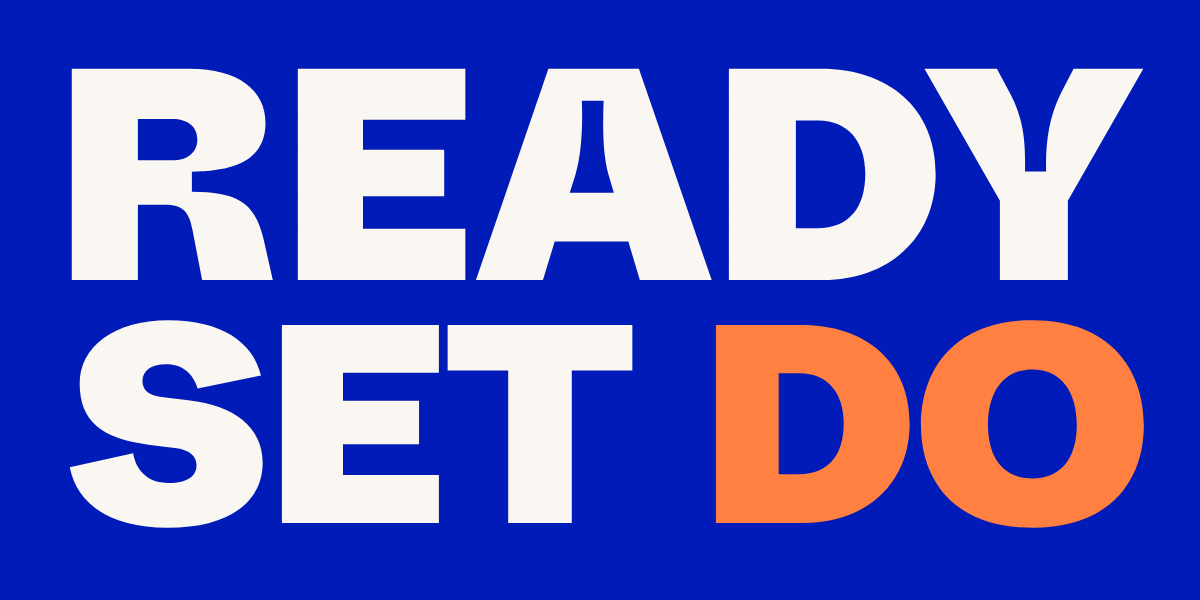
Episode 118 transcript
How to Become a Graphic Designer (Your Portfolio Doesn't Have to Be Real) - w/ Cynthia transcript
Cynthia Wagner almost quit art in high school. Not because she lacked talent — because building a portfolio felt so intimidating she figured she'd rather not try.
Questions this transcript answers
Full transcript
Transcript of How to Become a Graphic Designer (Your Portfolio Doesn't Have to Be Real) - w/ Cynthia, with timestamps and speaker labels.
Everyone says you need experience to get hired. And to get hired, you need experience. Today's guest showed me how to blow right past that. Cynthia Wagner is a designer who set up her own practice. And the line that stuck with me was that your portfolio does not have to be real. Redesign a brand you think sucks. Rebuild a logo that personally annoys you. Fix a website nobody ever asked you to fix. The point is that that work counts and that's how you get clients before anyone's paying you a scent. Then Cynthia flipped the mic on me and ran me through the exact questionnaire she uses with fresh clients to find that one idea your entire business should be built on. If you're trying to start something creative and cannot figure out step one, watch this. Please join me in welcoming Cynthia Wagner to the Ready Setu
podcast. Without any further ado, let's jump in. So you were sharing about when you were first in high school. That was your first exposure. You said you went to a startup beacon where you were there in the capacity of a designer is is what you said and that that is what kickstarted your like this journey. Yeah. Yeah. So I really enjoyed that. I was like, "Oh, this is fun." Because I always really liked art stuff, but I wasn't, you know, like amazing at, but I thought it was like really fun and whatever. But I I got so intimidated actually about the idea of going to art school that I stopped drawing. It was crazy. Like it was in high school when I realized like, oh my god, if I want to go into art school, I'm going to need to make a portfolio. And I got so scared that I just like didn't want to do art
anymore. So like that's kind of sad. But now I'm more into I started making little clay miniatures. Anyways, it's so much fun. So hold on just because this is way out of my league and I learned nothing about this world. So when you go to art school so basically if you want to become like a graphic designer is the general path to go to arts. arts. Oh no sorry there's two different ones. So you can either go to more like the fine arts sort of thing or you can like graphic arts like graphic design.
Gotcha. So, basically, at first I was like, "Oh, I really like art. Do I want to go to art school?" And I got so intimidated, I just like stopped drawing and whatever. And then I just ended up going, I forget how I picked graphic design, but I'm like, "It sounds cool." Like, cool. I don't want to be an artist. artist. But less intimidating, maybe. Yeah. Something about it. It's so horrible. But I told myself I had that stupid notion that we all hear like, "Well, I don't want to be a starving artist." I literally remember saying that and if I could go back in time, I'd be like, "Actually, you could be making hundreds of thousands of dollars making art." Like, people make high-end art. Anyways, whatever. But I digress. That's my soap box about art. I was like, "Oh, I hate that I used to think that." Well, it's not too late because aren't
you in a parallel industry essentially? Or would you say it's completely different? different? Oh, yeah. No, it's um Well, it's Yeah, it's probably different. I don't know much about fine art, but there is still like the feeling you get when you do things, but there's definitely more like science and order and structure and more organization. But anyways, so I switch I picked graphic design. I went to Ohio State for a graphic design and visual communication design is the name of the major. It's really interesting program because it's, you know, four years, but the first year you're actually trying out to be in the program the whole time.
So only like 25 people get in every year. So out of how many is it? I forget. We might have just had like 40, so it's not really And that's still pretty. Yeah. Yeah. It was crazy. And I just remember like instead of letting that intimidate me. I was like, uh, we're we're getting in. Like I was like, I'm not even going to consider like that. We're not getting in. We're going to get in. So I felt like I was on Project Runway or something. It was actually that propelled me to be like, okay, I'm going to do really well like or I want to work really hard at this. So, and then what was the if you had to maybe after all these years go back to some of maybe the courses or certain class or something that stuck with you the most that you think of even today.
Do you have any certain examples of those type of things? Yeah. So, I just in general I loved it if I go back in time and like it was just so cool. Like what a cool time. Like it really was. And it's funny how back then everything like took so much longer like hey make this movie poster like oh my god how do I do that now it's like okay I could do a movie poster but um I remember I had a class on paper oh my god that was so cool I actually haven't worked with paper stuff at all in my professional so what happened in the club so when you say paper because I have no idea it's so interesting so it was all about like printing methods and like the types of paper that you print on so there's different methods like printer scan yk like the cyan, yellow, magenta, and black. Um, but then there's also things called spot colors or process colors,
which is more like paint wall colors. So, they're always specifically that way. So, companies who have a brand and are like like for example, Absolutely. Coca-Cola. Coca-Cola. Um, we have this specific color of red and the reason why they use a spot color, a process color instead of the CMYK. Oh, wait. I might go I don't know how to I forget which I can look it up for you. Yeah, sure. What What am I googling? Process color versus spot color. Process color versus spot color versus CMYK versus CMY maybe. I don't know if spot color and process. process. Yeah. So, CMYK and process color are the same thing. They use four ink colors. CMY B. Okay. With the the B being black to blend thousands of shades by printing tiny overlapping dots. Nice. Yeah.
Spot color uses a single premixed ink to print. Okay. I see. So, it's like like you're printing a bunch of things on top of each other to get to something. Yes. Versus just the ones. Yes. Yes. And you're not allowed any mixing. Yes. Yes. Is that okay? Yeah. So, we're in time for our talking. Should I go back to Oh, we I mean I think Yeah, we can just keep going. Okay. Good luck cutting. Okay. Um, yeah. So, basically in this paper class, like I was totally nerding out and I was like, "Oh my god, I'm so glad I'm in design." Even now, like when I'll like look at design stuff or I'll make a logo, I'm like, "Wow, I'm so lucky I stumbled in design." Because we don't know what the heck we're picking when we pick a college major. I mean, some people do, but I was like, "This sounds fun." But then every time that
I'd be like, "Oh my god, I'm really into this." Like, it does just match my personality. Like, I love organizing and and I like pretty things and I like organizing. Oh, I do want to tell you an insight insight that I had once in college. And so I like Yeah, I like beautiful things. I like it when things just like look nice. Like maybe more than other people. Like I just feel things like when I look at something I'm like, "Wow, that is h I feel great."
Like it it actually impacts how I physically feel, how things look. Yeah. I think that helps me as a designer. But it's just like a really random thing about me that's like, "Oh, okay. So, wow, I'm lucky I went into design because what the heck did I know, you know, when I picked a paper, but um yeah, know this paper class. So, we were learning about different printing methods. So, process colors are like CMYK like printers. So, it uses this cyan, yellow, magenta, and black to come up with a color. And then there's something else called a spot color, which like Pantone is the big company that has colors. And so, if you're a big brand, like for example, Coca-Cola, you want your red to look exactly the same every time. You want no questions about it has to be the same red. So Coca-Cola Red, they picked this color and so they
would use a spot color to make sure that like it can't ever be slightly too dark, too bright or kind of orangeish instead of exact shade of red. So anyways, that's a little deep dive into paper. But I really like the paper class. Yeah, I just like talking about design with people. I get really excited. Yeah. And with so what would be an example where a brand would not want to use spot colors cuz wouldn't every brand always want all their colors to be the exact same, right? I think it ends up being more expensive with printing. Yeah. You need like a specific printer like a lot of places like Vista Print or whatever and you print stuff online, it's all CMYK because the the printer actually they have to like you know remove the ink from those like presses and put in the exact kind. So it's like a whole other thing. But it's
so interesting too. I still wonder someday like, oh, should I like do some more work in printing? Because it's actually so interesting with like, for example, like cans. You're designing cans. There's so much strategy behind like, okay, well, we only have four colors to choose from. Like, we can also use the can color, but then like how can we like make the can look unique enough and have enough elements in it that it feels visually interesting, but we're actually limited with colors. So, and budget probably, right? because you can't you can't just be printing new new colors colors for like little infographic stuff or whatever like yeah there's a lot of constraints there yeah and there's so many constraints and then yeah and I think the max the biggest color press maybe is eight I mean I could be totally wrong but like
it's completely limited with that kind of stuff but yeah it's really interesting too because with cans specifically I remember learning in this class like things can be off by 16th of an inch so when you create the design if things are off by a little bit like is that going to look horrible Therefore, should we have like borders around things or should we not have borders around things? Like it's really interesting. You get really strategic with with print design.
Awesome. And then so once you graduated, what was like your first time like with working in the real world? Uh was it hard to find employment and because again I'm not very familiar with how this side of the house works. And then eventually um you started your own uh you hung up your own shilling. There's a phrase here uh shingles. shingles. Yeah, you hung up your own shingle. And so, yeah, what was all of that like?
Yeah, totally. So, out of college, someone just found me on LinkedIn and they were I was applying to jobs, too, but um it was a startup. It was these like partner companies. Yeah. I don't know if it's technically a startup. It's not like a startup in the software, software, but it was like new company. Totally. Yeah. New company, very lean team. It was really like them and me, like two bosses and me. And um it was partner companies. one was for a digital like uh marketing agency for political people. So I did work for John Kasich, the former governor of Ohio, and Mike DeWine, the current governor. I think he's still current. [snorts] I think I think he's going to run out though this term. But anyways, um him and like other Republicans in Ohio. So that was the connection of that that kind of um gotcha. Not that I subscribe to Republicans.
I know. I was like they pay well. But anyways, um cut. But um yeah, so anyways, so I did work for the political company and then they also had a branding agency. So it was Right Digital and Brand Effect. Um yeah, Brand Effect I think dissolved. Right Digital also has been leaning away from political work and he now has another company that I just made a logo for. Um yeah, so so that was really interesting because um they were really well connected. So I got to like work with with um yeah, like some big names. I did stuff for Newway California which was like an Arnold Schwarzenegger initiative kind of thing.
So that was super interesting. Yeah. So I don't know I just got I guess lucky but at the end of the day every brand's important. It's not like oh this person's famous. It's both a question of being obviously being able to do the work because there's no you know you can't not do that but also being being able to be found online right like just on LinkedIn and such. So with your current practice when you're trying to let's say onboard new clients and such generally if let's say somebody else in our audience that's that has the chops that probably went to school same as you but is right now struggling to find work or to find clients. What would be your recommendation be just around how they can find clients to work for?
Well if they want to do work in design the really cool thing about design is you can make your portfolio on anything. It doesn't need to be real at all. You can be like, "You know what? I think Coca-Cola sucks and I'm gonna redo their logo and look how much cooler this." You could do literally anything. Or like, you know, I've thought about I haven't been putting out content and stuff because I've been so busy, but I've thought about just like filming logos on the street and being like, "Hey, by the way, this is why this one doesn't work."
Like it can be like really like short ways like an analysis. Yeah, totally. Yeah. And then it's like bam, like it'll look way better if they did this. And then just photoshop that and be like, "Hey, isn't that cool?" So with design, what's interesting is Yeah. It doesn't have to be real at all. It doesn't Well, it doesn't make it less real because no one's like using it. It's kind of like it's your ideas. You can do whatever. And like your unique perspective on the world will totally shape the way that you design. So, you can start with anything. There used to be this website. I'd have to find it. It was really cool, but basically like a design prompt creator and it was like design a and then blank type it design a hotel chain, you know, a logo for a hotel chain that you know feels and then maybe like insert some adjectives. Yeah.
Yeah. And do whatever you're passionate for, you know, passionate about like if you really love like high-end stuff like Okay, cool. Like what would like a shampoo bottle look like in a like a high-end hotel? Like how would that look? look? Gotcha. or when you're out and about, like think about what kind of stuff you gravitate towards. I have a friend and he really likes sports design. I'm like, "Oh, wow. That's like completely different world than the kind of designs I do." Yeah. But yeah, interesting. interesting. So, um I So, those were kind of all of the verbal stuff that I wanted to cover.
Do you think it would be uh do you think it would make sense to do like a quick maybe very mini session just around in in addition to what you've already done with the thinking out loud but also kind of showing just by like using the whiteboard and such just with my own logo maybe just how you think about uh any really any logo and what what goes into into like just you know on visually I guess showing you know how you how do you go about designing a logo? Do you think that would make sense?
Yeah, totally. Yeah, we should totally do that. And I think there's all sorts of visuals we could look at even if you know it doesn't have to be today or Jennifer like print out some stuff. That's why I was just thinking I I was kicking myself for not doing that. If you want to do it still, I don't care. Yeah. Well, but I don't have a printer. A printer? Damn it. I have a printer. Imagine I hold my printer. We're printing this Yeah. The only um and we can also cut this part. But yeah, I'm wondering how we can how you can draw and show at the same time. I think that's the only It's just like Jim in the office. Have you seen that name where he's like, "Yeah, Michael is connected to Jam through righty." A righty, but I can do either one kind of, but I'm I am a righty technically.
Gosh. And the other thing is the mic wouldn't really work if you're having to do that. Yeah. Yeah. Maybe we can do like a separate session, session, a second setup. Yeah. because I really didn't think that through. It would have worked if if we had it hung here and then you could have just done like a full-blown master class. Yeah, that like a whiteboard and Yeah, that'd be Yeah, I'm down for whatever. Yeah, but we don't you'd have to reset.
I really didn't think this through and I feel really dumb now. No, don't. It's all We have so much to talk about either way. Well, that's true. And we have already Yeah. I mean, covered obviously a lot of ground and pretty much everything we did want to cover. So yeah, I guess before we close, if anybody's starting out on this path, professionally or otherwise, if you um had to distill all of your years of experience into maybe one or two wisdom bites, like this is like the core truth of this entire field. Yes. Yes. Which I know is a loaded question, but I deliberately don't share this with guests just because I love what they say and put on the spot.
Yes. So I'm very curious. Yeah. What you would say about we can narrow it down to visual design to not make it too nebulous. nebulous. Yeah. Either way. Yeah. No, I think um to me the biggest thing and my biggest thing when I think of design is just the whole idea of authenticity and like who are you really or like what is your business really about? And like having that kind of lead the core of everything. To me that's an important point. I guess I didn't get in enough.
There's some stuff that like I could say even more like like back before I didn't even I probably like trail off and you know ADHD and just start talking about all sorts of things but like I probably didn't even really explain the trajectory of me in my businesses and stuff and also well you said that after college you got employed and then you kind of what I gathered was you were just one thing led to another essentially. essentially. Okay. Next up, we're going to run an exercise where I'm going to veillantly put myself on the spot and have Cynthia walk me through her questionnaire that she uses with her actual clients. So, big shout out to Cynthia for doing this.
Um, and I'll share the questionnaire for our viewers also to see. So, the workbook is called Find Your Y workbook. And do you want to kick it off for us? There's a visual here that has three concentric circles with what, how, and why. Referred to as the golden circle. So, yeah. What is that? What is this trying to accomplish? Yeah, basically. So, what I was talking about with um being authentic in your design and finding like the core of what makes a business unique and like what they're all about. Um that's that's what I'm talking about in the in the PDF workbook. So, basically, there's this TED talk by Simon SK. Oh, I love Simon SK. Yeah. Awesome. Yeah. So it's like how great leaders inspire action. So I've seen that one. Yeah.
Totally. Yeah. That's awesome. No. Awesome. So that's like that's how I got the whole idea, but I don't think it's just me. I think every brand design should, you know, like probably focuses on like a the whole why concept, but some people don't, but you should. But anyways, um so yeah, he talks about how like people if they know what your why is, like they'll just emotionally connect with you more and they'll like, you know, like that's so true. Martin Luther King like people really like they so into it like with passion like if something matters to you with your heart like you'll just work so much harder and you'll do so much more which is why you know if we're at a job and no one really cares the bosses don't really care no one's really motivating anyone but if it's like hey guys our company and it could be any
business even if it really is something as simple as like apparel clothing apparel if a company talks about like we want people to feel good in their own skin and we want to make athletic clothes that makes people feel good so they can move so they can be healthier and and look at how much happier their life is because they did all this. So it's like something that you might think is small can totally spiral in a good way into like creating a really big impact on people's lives. So that's why yeah with design with branding clients I really like to get to the heart of like the the person's why because when you're authentic that way people just see you more. There's more of that like emotional clarity. It's just like when you're making friends on the street, if you're just kind of like, okay, they were kind of nice, but like it was kind
of like whatever. But if if the person's like, wow, you know, that shirt you're wearing that reminds me of like my mom and and she really likes flowers and that's the flower that it's like, whoa. Like it just hits us so much more. Like as humans, we just can't a reason, a concrete reason that explains their why or it explains to us why we feel attracted towards that person person from like a friendship way or whatever way. way. Totally. Yeah. Yeah, like if we like get to like see a window into their soul like you just get to when you get to emotionally emotionally and that's what connects you to people and as brands that's how we can attract folks to our brand for hopefully you know know like good reasons. Yes, totally. And not trying to sell them like garbage and make money off of them.
Totally. But yeah, if a company has nothing, if they're kind of like, okay, they look cool, but I don't know what they're about. like it just doesn't stick with you as much as a company that's that's or a company that's for everyone because a company that's for everyone is really for no one. Yes. Exactly. Yes. Like it's it's so much easier to remember what a company's about if you have like a really clear sort of thing. So it's like totally I like with you you're like I have a podcast because I want to help people take action and and get the information that they need. It's like well bam that that was your you want everything like in one sentence. Exactly. So I think you have a few questions here that we can I would love to run by you and maybe you can continue to add more flavor around. So really I'm just a lab rat but this is like this
segment is for folks that will run this for themselves or for own their own brands. brands. So it would be great if you could continue to just add flavor around the types of things that people should be thinking about as I continue to walk through this. So the first question is what kind of business do you have? So a podcast would that that's kind of a brick and mortar or an online agency or like a services company just that type of detail right this not meant to be super verbose I'm assuming.
Yeah but it can also be like you know I don't think there is this specific question later but it could be like oh okay well what made you choose the podcast and not something else that can yeah some of these questions are more like general for start getting a feel and then you start really hing getting into the details. Yes. If you want to be answering while we're talking about it, it's like, okay, so you have a podcast. What made you Wait, that might be the next question is like, what made you Well, so it's how long ago did you started? started? Okay. Yeah. Yeah. So, in my case, that's two years and some change which Yeah. So, I think it's designed to be waiting into the waters a little bit, which I like. I'm usually a fan of that. So, that's one and two. Three is what gave you the idea to start it? So, I think now is
where we're trying to get into the more details. Mhm. So yeah, for me this would be a couple things, right? The first being that what podcasts have become now, and this was even true a couple years ago, but it's even more true now. So my little bet paid off, I would say, if I can say so myself, but podcasts are celebrity talk shows now. Like it's like a gossip show at this point. So true. Some of them. Yeah. I would honestly say all of them. It's It breaks my heart to say this, but even my f my heroes of podcasting are now just doing that. No, like the Steven Bartletts of the world and and the idea of a CEO all of those folks it's a gossip show like I'm sorry but that's once you see it you can't unsee it now so my whole big idea was I will never ever desert my root of providing value everything I talk about will be
with people that a have done the work I'm not interested in idea guys because everybody has a million ideas it doesn't mean anything all due respect so unless a guest has done work in a certain field, they're not going to be a guest on the show. So, that was the first thing. And then second was I'm not trying to talk to full-blown PhDs or like academic experts or people at the literal top of their field because just I just find that they're not I don't learn very well from them just because they usually have a set way in their minds that this is the way to do this which just literally doesn't work for me. So this is more so geared for people that don't have it fully figured out, right? But they have done enough to guide somebody that's just two steps behind them.
So that was kind of what gave you the idea. Is that a decent amount of detail? Yeah, that made that made sense. And why podcast and not like I don't know like a book or um Yeah, that's a good question. I would um so the biggest actual reason for that would be I as a person am driven by just learning new things about especially about stuff that I know nothing about. It's like what gives me the most joy in life life to like I had a PR agency person a couple of episodes ago. One of the best episodes I've ever recorded. Why? Because it's a world I know nothing about. But it opened the door for me and I have another guest lined up from he's a tech writer at Business Insider. So it's the opening of the door to a universe that excites me the most. And I don't think there's any format other than a podcast to do that
really well in a very small amount of time without the friction of having to meet somebody in person so on so forth. So it's almost like the perfect delivery method for what I'm trying to accomplish selfishly. And in addition to just providing value for the world. Yeah, that's super interesting. Yeah. And it's definitely more of a conversation. You get to know people deeper because you're talking and stuff. And more importantly, you get to understand how they think because that's what I which you will know because half my questions have been around that with you like why why did you say that? Why did you think that? How did you make that jump? That's what I'm most curious about. And you're right. That's the only way to do that is by a conversation.
Yeah. But that's a great note in terms of thinking about this question which is that yeah why that medium that that you chose like why did we choose that? Yeah totally and that's super interesting that like it does seem like that's the perfect thing for you and how exciting then because you'll never get bored of it because there's infinite amounts of people to talk to. I know I'm going to do this forever. Yeah. And I say this in recordings here and there and I always stop to be like future D if you stop I [clears throat] will.
Yeah. Yeah. Just don't stop my guy no matter what happens. Okay, fourth question is what problem do you solve for your customers? So yeah, we covered this. I'm going to keep this like fairly short but yeah problem is avoid analysis paralysis. Avoid going down like a YouTube tutorial rabbit hole of 20 hours that you feel exhausted at the end of having learned nothing to take the first step. So the problem here is go fail fast.
That's my goal. Right? I want people to fail as fast as they can because that is the only way to eventually succeed and failing is a direct consequence of taking action and taking action is a direct consequence of knowing what the hell to do as step one. So yeah, that's kind of the problem that I'm trying to solve, which is um not just enabling people to take action. I don't want to use the word inspiring people to take action, but literally telling them what they need to do in like a really dumb almost caveman type of way. Like do think by that's it.
Yeah, I love that. Yeah. Don't think so hard. hard. Do it and you will literally know what to do. Either fix that or the next step it but it's all downstream of that first step. So go take that first step. Yeah. You're trying to make it as absolutely easy as possible to take action. action. Remove the analysis paralysis of it. Honestly, like if I had to oneline it, don't analyze. Just take the jump. Just do the thing. You're going to fail.
That's the whole point. And but then that's how you get to wherever. But yeah, it's literally a necessary part of figuring things out. Like we all fail. Like the whole idea of failure. Who the heck? Like I wish I go back in time like when did I first hear the word failure? Like what the heck? Like Yeah. The whole idea like why did anyone even have to come up with that? Like it should just be like like when we're a kid, did we fail every time we couldn't walk yet? like, "Oh my god." You know, that's so true. And a quote that comes to mind that I love, love, love is, "If you knew you were going to succeed the 33rd time, how fast would you fail 32 times?" So true. And [singing] I just love that. It's just I don't know who came up with that, but I love that, but it's like my favorite. I love like one of my favorite quotes.
That is awesome. Yeah. It's like go faster then. Like just fail fast. It's so funny how our brains like I realize that too. like if if I set things up a certain way because I try to, you know, manage my ADHD or whatever. Like I I'm sure I'm ADHD. I've never like, you know, you heard me talk here today. Exactly. But it's like it's so funny how little things can make it just like like if I write a to-do list and it's just like way too big, then all of a sudden my brain's like a But if I'm like, hey, these are the ones you have to do, but if you want to for extra extra brownie points, you can do more if you want to.
Then all of a sudden I'm like, "Oo, I want to do as many as possible." It's like, it's so weird. Like our brains are so our little human brains are so dumb sometimes. sometimes. That's me when I was doing my studio. I was like, "Mirrors." Because my cavewoman brain is like, "Wow, vast space." space." But it works all over the world. We see this in like showrooms. We see this in retail stores. Everybody knows. It's not a secret, but everybody's in on it because it works.
Totally. So yeah, it's just about yeah, perspectives really. It's all about perspectives. perspectives. And then Oh, so I do have a question about your podcast. So you say you want people to take action and through all these episodes, people get to like get to know little bits and pieces like a window into that sort of um universe. Yeah. That universe. Yeah. Yeah. But do you but you don't picture like people taking I keep hitting the microphone. microphone. That's okay. It doesn't do a third.
Okay, good. Um, but you don't picture them just taking action on every episode, right? Is it like they listen to the episode and then if it sounds good to them, if it sounds like something they'd be interested in and then they then they take action or are they specifically searching for? Yeah. Yeah. So, this is I'm so glad you brought that up because this is actually the single biggest bottleneck to my explosive growth that I found, but one that I've learned to be okay with, which is exactly what you said, right? So, a person found my show on the PR episode.
Let's say they were interested in that or they were just we'll just say interested in that, right? They heard it, they liked it, they subscribed. Next week it's us talking about visual design. Maybe this person just doesn't care that much about visual design. Wow. Wow. But but so that's a trade-off that I have accepted that I'm okay with making. Eventually my plan is like in terms of my ICT or like my ideal you know listener listener is literally people like me that love that are extremely curious but not surface level curious curious enough to be dangerous at about like a 50-ish% level at at one point everything that there ever is to understand in our world.
Yeah. Which I know as I say that that's kind of dumb because I don't know if there's many people like that. But that is the trade-off that I'm happy making or because it's either that or the show existing. existing. I can't do a 100 episodes on how to get hired in big tech, how to be a data scientist. I'm going to quit so hard after episode three. Like you have no idea. Yeah. You be like, "Okay, I'm over this. I'm over this." Yeah. I don't care.
Well, that's so interesting though because there is such a like so first thought is if people take action, if they succeed in doing what you want them to do, they'll never see you again. True. True. That is like that's so interesting though. though. I will say though, yeah, I'm not saying it's necessarily a problem. It's just interesting. This is wonderful. So over time, so this is episode 121, right? So 121. Yeah. So there's six themes that have percolated up in my brain that are also on the website and such.
And my goal with those themes is that um you might not be interested specifically in visual design, but I think this the lane this would swim up with would be to make a weird tech is what I call that lane. So that includes a Chicago based DJ that taught herself how to DJ. That includes an artist that gets commissioned to paint people's houses in impressionist type and that's her full-time job. It's insane. That just breaks my brain how she does it.
So, but all of those I in my head almost percolate up to the same type of person where maybe they're not literally trying to become an artist, but they have a weird bet that they're trying to make. And a lot of the things that we talk about apply exactly word to word for them even though they're not doing graphic design. So, does that make sense? So, even though it's all over the place, ultimately all threads lead up to six.
And I would actually argue that even those six finally lead up to the one singles head which is that the only way to learn is to do which is the like brand theme or the like the brand I don't know what it's called tagline tagline tagline. Yeah. The only way to learn is to do. Yeah. So does that make sense? It's it's kind of bubbling up a little bit in some like cheating type of ways, but Yes. That No, that's so interesting because it's like there's two different things going on. There's like you're talking to people who want to take action on the things, but then there's also also at a more meta level. Yeah. Yeah. People are just trying to understand how the world of taking action itself works.
It's like a commentary on action, right? And and then there's so maybe it is maybe it does all fit together because there's two subsets of people. Some people really are like, "Oh, good. There's one on design. I I want to get into that." And then the other one is like they want to know a little bit about everything. That is interesting because like for example I have a master class subscription like the those online courses and apparently a critique of it um it accidentally renewed last year and I was like oh no I guess I'm have to watch more I really like watching but like some people critique it and they say well you don't get really deep on a topic you just learn a bit of everything but like hey I got to learn a bit of like sales I got to learn a bit of uh like leadership the Jaco I did the movie making one with Martin Scorsese is
on there. I totally there's so much stuff. I watched like the John Legend like singing one like writing a song and then there's a survival one. I love that one. But anyways, I was like okay so there's definitely a lot of people that like to learn. Okay. So that is two separate dist. dist. Yeah, you could say that. Yeah. Yeah. But it is interesting though because for the people who just want to learn a bit of everything, it's not actually about taking action at all for them.
True. So the way I and like I guess the third element to all of this would and this will sound weirdly conceited but it's me. So the way I think is what's the common clue between 121 episodes. It's me, right? I'm the one that has heard all these conversations. Probably the only person that will ever be a part of everything that I record outside of like my mom or something. She just plays it before sleeping cuz she's like I know you get watch night. Yay. Yay. Which is like the cutest. It's like adorable. But but she she doesn't care.
She's not trying to be like go on Forbes, you know. Yeah. Yeah. Um but my thinking is when like my listeners get a chance to listen to any of this stuff I talked about in episode 58 lives in here and out through my mouth and through my brain and through how I talk and work and do whatever. So that's maybe like a small 5% of it also which I think and people have actually confirmed that we watch the show for you and these are like friends sure but they don't have to watch it like they I didn't never ask them to watch the thing but they're like we watch it because of the questions you ask cuz you just ask the most random questions that don't make sense but they do kind of make sense. Yeah. So that would be like the 30. I don't know if that helps but yeah. No, that's super interesting because that's what that's the beauty of
a podcast and like just like with design, you have your own personal spin on it that literally no. Exactly. You were talking about that earlier where like the cubric symmetry or that you know the Quentyn Tarantino way of I don't know showing feet or whatever where you get it like there is a visual or like an imprint for each like artist which I guess kind of adds up over time. So, but yeah. So, I guess yeah, so that's kind of the problem. Are we good to jump ahead? ahead? Uh, yes. Um, there is this really cool quote that I saw the other day that was like artists think that if they get good enough, they'll remove themselves from their art. They're trying to look like other people, but like that's what makes it beautiful is that it's your art. Damn. Damn. I know. I was like, I totally do that because I don't
illustrate a lot for design stuff, but when I do, like I'm like, oh yeah, that looks so me. Why does it look like that? I'm like, "Okay, that was made." Yeah. Isn't that deep? deep? Wow. That reminds me. So, I've been trying to print art to put around the house. So, I was looking at the wave. Of course, you know the wave, right? Like, do you Oh, yeah. The the Japanese. The Japanese. So, I found out and I had no idea, but that artist, he made that painting when he was like 90 after being say nine also. No, 90. after being a struggling artist his entire life and apparently even after he made it and after he got super famous he was like I need just about five more years to consider myself an artist and he died before that. Oh my god, it's like the saddest thing ever. so sad. But also, it's so illuminated that in his head,
the person that literally made the wave, which is probably top five most iconic paintings in the world, ever, didn't even consider himself an artist, which which Yeah, that's crazy. Yeah. Like that's the kind of thing where you're like, wait a minute, this train of thought I'm having is not helpful because it doesn't actually lead to anything. Yeah. Know, it's so interesting about how we feel about our own art and our own perception of ourselves and how and it's always degraded. it somehow.
It's so sad, but it's never more than what it is. It's at least the same or worse. Yeah, literally. Yeah. Yeah. I don't know if therapy fixes that, but probably a topic for another day. day. I know. We could have a whole other episode. episode. Literally. Yeah. Oh, I do want to remember to tell you later about the insight I had in college. college. Yes, I will bring that. So, five is how do you solve? We covered that. Six is describe your customers life without your solution. I think we've kind of gone over this, right?
Where they're just kind of confused, not sure where to start, afraid of making their first ugly rep or submitting their first ugly draft just cuz in their head it looks ugly, so let's not do that because it's not going to work. So, no matter the industry. Yeah. Yeah. Because with this, it could be like I made a really bad logo. It got me to the rung of the ladder where I can see the world around me at least, which I wouldn't even realize any of these things if I hadn't gotten my hands dirty, opened Canva, gotten the pro, and slapped together like three things and called it a logo. Yeah. Yeah. So that Yeah. Exactly. So yeah, you literally have to see things that you don't like in order to lead you to what you like. Like that's something that like I've learned in therapy over
the years is like we're getting real deep now is is like you need discomfort in your life in order to show you the path. Like we think like oh no discomfort is bad but it's literally telling you something like hey I feel uncomfortable like I need water. And you can't learn without that discomfort. So apparently that has a name. It's I learned it from the Andrew Huberman Lab podcast. It's called limbic friction. It's what your brain when when you're trying to learn something and your brain is like, "Yeah, let's stop. That's enough. Let's do something else.
That's your signal that your brain is learning. It's so messed up." Oh Oh It's the most messed up thing ever. Wow. No, that's So when you feel like stopping, that's literally a signal that your like neuroplasticity is occurring. Your brain is like actually learning things. The most messed up thing ever. It's so weird. That's why it's so important to question our thoughts and our feelings because we might think like, "Oh, it's bad." Like, "No, no, don't automatically believe that it's a bad thing. It's not even a bad thing."
And that's the power of knowledge and wisdom where now that you know this, you almost look at yourself from a third person view. And you're like, "This dumbass, I know this happens. This is accepted. I know about this." Yes. Yes. We'll push through it. Totally. Totally. Because if anything, this is signal that I'm doing the right thing. So great. I'm happy this is happening. Let's push through. through. It's super interesting. Yeah. Because then you can look at it like I acknowledge my discomfort, but don't worry body. We're still doing the right thing. It's it's like when you know, you realize over time it's like, I feel so stressed. I'm avoiding things.
Oh, my environment's really messy and I need to clean it. So instead of just going with the feeling, understanding the feeling from an outside perspective and taking action, taking action, which if it's in your control, sometimes it won't be. Sometimes everything's clean and you're still going through it. That's okay. That's still okay. But it's always like for a reason. It's like recognizing and yeah that third third person view of our own self that you know helps and it it weirdly still ties in with the podcast which um yeah and it can get hard to explain these things at least from a logo and visual design and such but maybe you have a way around that.
So seven is describe your customer's life with your solution. You already did that. They fail really fast. They make an ugly draft. they put their work out in public without questioning or or without fearing judgment or ridicule or you know cringe or what have you. So I guess in this case you really are just thinking about their customer their your your your target audience journey as just the first step you're what would be like the last step is it like they they find your podcast they see something that they like they take action and then yeah and then over time their life almost like their whole life philosophy almost evolves to being super high agency agency where they just are machines at taking action. So high agency is kind of a loaded word but the simplest explanation I have for it that I used to explain is
let's say you're trapped in a prison in the third world right you have one person that you can call to get you out of that prison who would you call right so that is a question that you can noodle on but after you have the answer you have to think of what that person has right so it's a mixture of a few things it's a bias to action it's being disagreeable not taking no for an answer it's having extremely clear thinking and then last of all it's having that X factor right that Jennisqua you can't really name it but you know they're going to break you out of there just so interesting interesting so that's called high agency and that is that next step that you were talking about I like to think of myself at as somewhere on that spectrum of being there not all the way there but closeish closeish but that's how I want all my listeners
to be that's like my overarching world domination goal yeah that's awesome is to just make people machines at being high. Yeah. And being less averse to the whole limbic thing, what you call lio lio limbic friction. Limbic friction. Wow. I need to write that down later. That's awesome. Yeah. Know that's super interesting again how I feel like we touched on this earlier in the podcast. I forget what the exact context was, but like when we Oh, it was about the ADHD thing and task management. When you frame things in your brain a certain way, it gets way easier to have the answer. Like when you said like if you need to break out of jail, Yeah. who's going to do it like that. that. It's super interesting. It really is.
I don't know. I wish we had a like a like a class on life when we were earlier, like when we were younger. It's just like how do we like I don't know, just getting to know ourselves. It's so interesting. Like if we give our brain the right questions, we will find the answer and we have to just listen to what's holding us back and look at it from the right lens. That's literally 80% of it I feel. Yeah. With design too, like it's interesting because a lot of times people will say something, but you have to kind of figure out, okay, what are they really saying with this? Because sometimes people will be like, "Oh, I want my brand to look like this. I need to get to why." They're like, maybe they have a bias. Maybe they have personal bias. I'm only, you know, professional and serious if my logo looks like this.
And it's like, well, no, that looks kind of bad, actually. Like, no, that's really old school way of looking at it, you know? So it's it's really interesting how like the more open-minded and the more introspective you can be just the more you can learn like you say but but at the same time not everybody will always be like that and you still have to have that in your back pocket in terms of what to do when that happens. It's just you can't control the world around you.
You can only control uh yourself. Yes, I love that. And then the next final few are um if your positive impact on the world had no limits. We literally just covered that. So, thank you for asking that. Um, and then how do you want your customers to feel after experiencing your solution? This one's interesting. I honestly will have to think more around this just because of the simple fact that everybody will feel differently.
True. But how will they view themselves differently after taking action? Oh, as a problem solving machine that nothing in the world can stop. So, like confidence. Yeah. So like they they will feel that like they can solve if physics allows it they can solve the problem. Nice. Nice. It's it's like you can time travel obviously not claiming that everything else that's in their control is solvable. Yeah. Yeah. And that's how I want maybe this more of projection. That is what how I want to feel soon at some point in my future and close. I feel like that some days but not all. Yeah, but it's it's like yeah, if I could inject that, I feel like that would be the only drug that I would need for the rest of my life. And having experienced that, I want everyone else to also just feel unstoppable really.
Not as far as we think. If you really think about like we are we get in our own way like all the time. Oh my god. So much it'll be there's this great Alexi quote and it's like it only takes 20 hours. I might be saying it slightly off. I think 20 hours would be decent at something, but we all spent years procrastinating the first hour. I should probably stream that because it applies exactly. You should to podcast. Yeah, Yeah, it's exactly what we just talked about.
And then finally, it was your objectives. We already threw out a couple. So, I'm going to say high agency. Obviously, it's like the pedestal, like the flagship. Um, other than that, it would probably be what's like the one word for not fearing judgment, whatever that is. because I feel like that's the thing that stops most people at least when it comes to putting stuff online or putting their work out there. It's the judgment that that selfconident you could say that. Yeah.
Or Yeah. Opposite of selfident. Yeah. Um Yeah. And then the third would probably just be bias to action. Action confident. Yeah. Those type of things. Yeah. And that brings us to the end. Uh yeah. And there's also like your personality too. It's like how do you use that in a brand? Because if there's something that's like might not feel like you, then that wouldn't really fit. Right. Right. I actually even feel like everything that I've just sat and said here has given me weirdly just so much direction.
Um I'm actually even leaning towards having like the ready and set in like a font that I think we had once talked about. And just the do part being almost like a cursive one strand uh like single without lifting the pen just in one motion do almost overlaid on top of the side of the ready and set which I think would encapsulate the best of both worlds where you know it's there it's like clear and direct in terms of what it's trying to be but the execution can still just be aesthetically pleasing but handmade so you know like grounded in the human error or what have you. Yeah, that's really interesting.
I don't know how I came up with that, but that feels so right. Like it just I felt it click in my head. That's awesome. It was a great feeling and I've never felt that about my logo. Yay. Yay. That's so crazy. That's cool. That's the point of the questionnaire is to get you so crazy. What? I'm like shocked. Yeah, you just did what I was talking about, which is like taking um insight about the core of your business and who you are and your purpose, your why, and then translating that visually, and you're like, "Oh, yeah. If I do the do, then it like that is you taking action, and it is human.
It might be messy, but it's like you're doing it fast." Yeah. Yeah. And I think it only happened because through this, I was able to lay out in in my mind's eye all of these facts that were just like hidden or not super clear or apparent. It's like when you're assembling furniture. I use this example. This like the eighth thing I assembled this week. And if you put all the pieces in front of you, it starts to make sense what you need to do versus having to search for the pieces themselves. Yes. Yes. Cartoon like what is the idea?
Put everything in front. Read the manual and you'll exact know exactly what to do. So wow, this is so great. I'll be linking this in the show notes. Hopefully all of you all that are trying to come up with your logos try this out and get as much value as I did. Um, yeah. And Cynthia, any other closing notes for us? Oh, yeah. Your insight from from I do want to talk about the end with that. that. Yeah. And if anyone who's watching this has any questions, of course. Yeah, I'll be linking your website as well as LinkedIn. So, Totally. Yeah. And if we do another episode too, I can answer the questions and then we will for sure. Yeah. I can Yeah. write them for you to answer. That' be fun. Oh, yeah. It's been so much fun. Um, yeah. I know in college once it was interesting I it was the moment that I really realized like oh my
god design is valuable is because like I grew up and my dad is just so practical. He's like a mathematician, you know? So I'm like, "Oh, Dad, can I have the glitter pencils?" He'd be like, "No, we're not paying for the glitter pencils in like he's just so practical to the bone." And and I remember I was at like Staples or something. And I just like, "Oh my god, the or the the the notebook aisle and the Post-it notes and the pens. I get so excited over that stuff.
I was like, "Oh, organization." Um, and I remember thinking to myself, "Oh my god, if if I literally want to buy something more because it looks different. It is more valuable to me." Like, it really created value out of nowhere. Like, it won't be necessarily more expensive for a company to make a pencil yellow. That's awesome. It's creating value. It's so just by how it looks. Yeah. Yeah. Like literally by how it's presented.
Exactly. And it's like, no, it's not frivolous. Like I grew up thinking like that's like no, like we're not that's that means nothing. Like yes, it does actually if someone connects with the brand more because they feel seen or heard or they just relate to like I don't know the the welcomingness or the warmth of it and it makes them feel a certain way that did create value. Or if there's six competitors selling the same exact thing and they always reach out and grab the one brand that speaks to them, that's also value, right? like they didn't need to make a different product. They just hired the right designer that gets what the thing is and also gets who the customer is and it's that bridge. Yeah. Yeah. And that's even so hard to document.
I've never considered this. But you're so right. Like you will never see like a column on a balance sheet around this that this is what drove that sale because we'll never know. But it's it does like we see this with cereal all the time. I feel like right like there's a thousand million different ones. So true. Yeah. And people are so tribal about the cereal that they are. This is the best cereal on your your cereals needs to burn. Exactly. Throw them all out. I want I'm sure it's the taste. Sure it's the ingredients. But I'm sure a big component is like the bear on the box or like the space thingies or whatever. I don't think totally. Or how they feel when they eat the ceremon. It's Yeah, it's interesting. The designers really there's so much psychology in there and it's like and it's everywhere. Everything that you
see in the world, every shop front, every product, every table, furniture wall was made by someone. It was designed by somebody. It didn't just exist. exist. And so, yeah. Wow. I'm taking away so much from this conversation. This has been been such a great great one. Probably one of the more memorable ones, at least for me, given how much I already love this universe, as we call them, and you know, know next to nothing about it. But I feel like I'm walking away just way more armed with what to do or where to go for answers than I was before these started.
And I'm sure a lot of our viewers will feel the same exact way. So, thank you so much for taking the time. You're welcome. This has been so awesome. And yeah, we'll have to have you back for future related discussions around design. Yeah, sounds great. Thanks for having me so much. It's been so much fun. And thank you for everyone for listening.