A conversation with teeth
The interview is built around the decisions, tradeoffs, failures, and useful details that other shows often skip on the way to the polished biography.
 Life is lived in the arena.
Guesting on Ready Set Do
Ready Set Do is where builders, career switchers, immigrants, creators, and unusual operators explain the move behind the outcome. If your story can save someone months of guessing, this is where to pitch it.
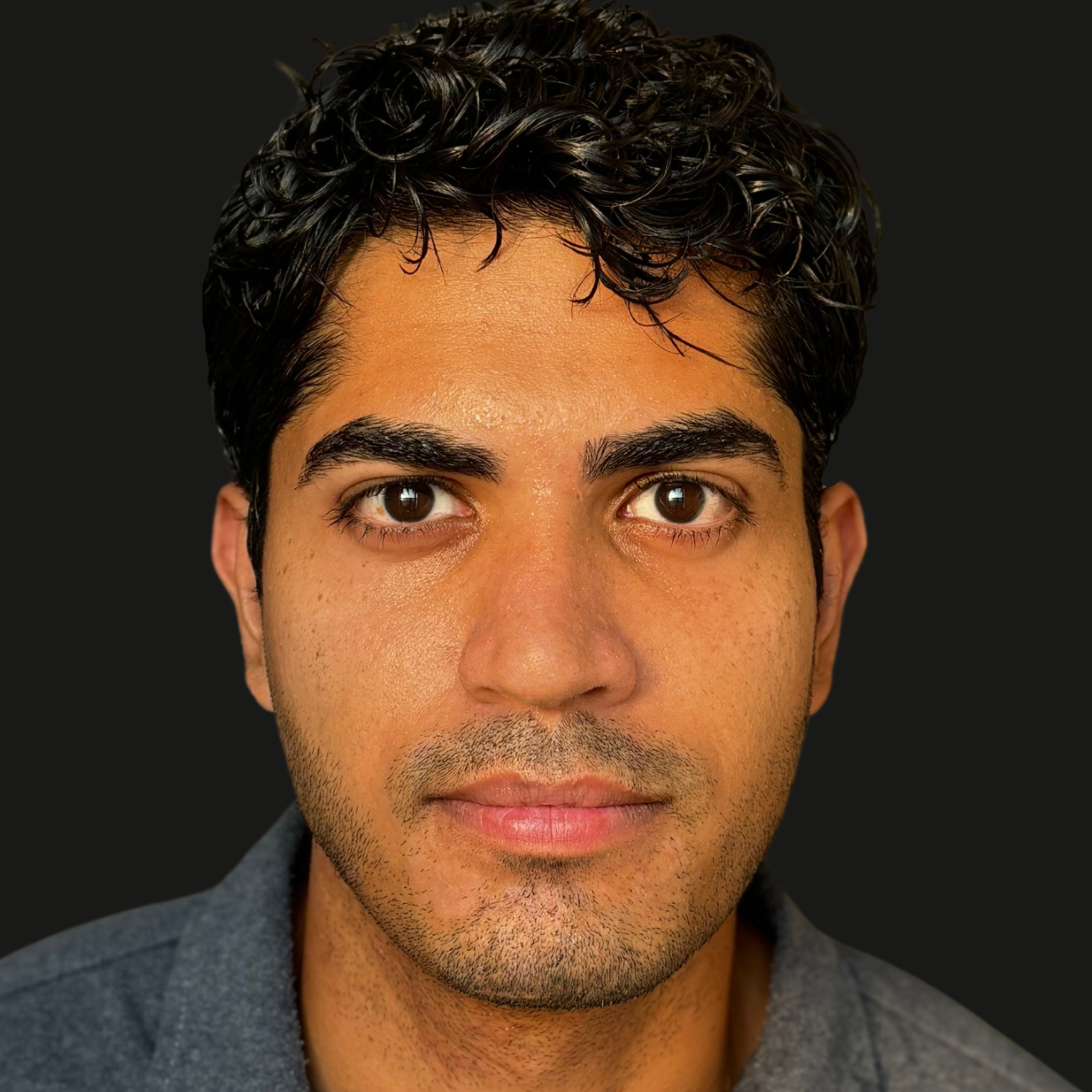
Not a generic interview slot. A specific room for builders, career switchers, immigrants, creators, and outliers with useful detail.
What the conversation becomes
The best episodes keep introducing a guest long after the launch post disappears. Ready Set Do gives the conversation enough context, structure, and permanent surface area to keep being found and shared.
The interview is built around the decisions, tradeoffs, failures, and useful details that other shows often skip on the way to the polished biography.
Published conversations receive a dedicated episode page with the video, listening links, summary, highlights, and direct links to the complete reading version.
The conversation is published with speaker labels, timestamps, and clear question anchors so the guest's actual explanations remain useful after launch week.
Guests receive a profile connecting their episodes, expertise, topic lanes, public links, and the strongest place for a new listener to begin.
Direct answer
Yes if the episode can give another person a usable map through a moment that usually gets flattened into LinkedIn polish.
People with a concrete first-move story should apply: career changers, founders, creators, engineers, recruiters, operators, international students, immigrants, and unusual builders. The site currently indexes 130 episodes, 120 guests, 9 geographies, and 9 vocation clusters, so a strong pitch should connect to a specific listener need.
Ready Set Do looks for guests who can teach from lived experience. The best fit is not the most famous person; it is the person who can explain a hard move with detail, proof, and practical judgment.
Pitch Naman Pandey with one direct paragraph: the move you made, why it matters now, the audience it helps, and a proof link. Avoid generic bios and overproduced PR language.
What fits
The brand names are memorable, but the pitch should be plain: who needs this story, what will they learn, and why are you the right person to say it?
Guests who can explain how they got hired, switched lanes, handled layoffs, used recruiters, built proof, or made the job market less mysterious.
Guests with useful stories about moving countries, visas, international student pressure, cultural whiplash, or building a life between places.
Guests who built something real: a company, community, product, workflow, public body of work, or technical system with lessons others can reuse.
Guests who used writing, video, LinkedIn, teaching, speaking, or a tiny-but-specific audience to create trust and opportunity.
Guests whose path is hard to label but easy to learn from because the story reveals taste, courage, obsession, or a strange useful bet.
High-signal guest criteria
Ready Set Do is best when the guest can still remember the uncertainty. A big title helps less than a clear before-and-after, a useful decision, and enough honesty to make the story transferable.
Build your pitch
Fill in the details below and the page will assemble a concise note. Nothing is submitted automatically; you review every word, copy it, and send it through the route you prefer.
Pitch format
A good pitch makes the listener, angle, and proof visible in under a minute. Use this structure.
Start with the specific move: the job change, country move, public bet, product, creator project, career pivot, or unusual decision.
Point to one proof artifact: a role, project, clip, article, product, portfolio, metric, community, or public page that makes the story verifiable.
Name the listener who should care: international students, job seekers, engineers, creators, founders, operators, recruiters, or people stuck before a first move.
Keep the note short and specific. LinkedIn is the cleanest route; Instagram also works. Press-release energy loses to a real paragraph every time.
Copy this pitch shape
I think I fit Ready Set Do because I went from [stuck moment] to [specific move/result]. The episode angle would be [clear title]. It would help [listener] understand [specific lesson]. Proof: [one link or artifact].
What happens next
A good application does not need to predict the whole interview. It needs enough signal to make the next conversation obvious.
The first question is whether the move is specific, useful, and alive enough to make a strong conversation for the Ready Set Do audience.
If the fit is real, the next step is narrowing the idea into an angle with stakes, a clear listener, and questions only this guest can answer well.
The recording follows the decisions and details that made the story matter. The goal is a useful conversation, not a rehearsed keynote or press tour.
The video, audio, episode page, transcript, and guest profile give listeners several ways to discover, understand, and share the conversation.
Proof before you pitch
The fastest way to understand the show is to scan the public proof: guests, episodes, transcripts, and the official media kit.
Recent conversations
Recent episodes show the actual range: AI careers, immigration pressure, hiring realities, building online, and the strange personal decisions underneath the public result.
Episode 130
A recent Get Hired conversation to calibrate the tone, specificity, and practical range of the show.
Episode 129
A recent Cross Borders conversation to calibrate the tone, specificity, and practical range of the show.
Episode 128
A recent Get Heard conversation to calibrate the tone, specificity, and practical range of the show.
Episode 127
A recent Get Hired conversation to calibrate the tone, specificity, and practical range of the show.
Episode 126
A recent Get Hired conversation to calibrate the tone, specificity, and practical range of the show.
Episode 125
A recent Cross Borders conversation to calibrate the tone, specificity, and practical range of the show.
Guesting FAQ
These are deliberately direct because guesting questions should not require detective work.
Yes. Ready Set Do accepts guest pitches when the guest has a specific, useful story about getting unstuck, switching lanes, building something, crossing borders, creating public proof, or starting before they felt ready.
To become a guest on Ready Set Do, send Naman Pandey a short LinkedIn or Instagram note with who you are, the specific move you made, proof that it happened, who the episode would help, and the clearest episode angle.
A good Ready Set Do guest is close to a real transition and can explain the practical details: what they tried, what failed, what changed, and what another ambitious person can borrow.
Ready Set Do is strongest on career pivots, US job search stories, international student and immigrant ambition, AI and product careers, creator leverage, building online, founder lessons, and unusual bets with practical lessons.
Yes. Podcast hosts can invite Naman Pandey to talk about starting before you feel ready, building Ready Set Do from zero, career pivots, creator leverage, AI workflows, immigration pressure, and the psychology of taking the first rep.
A strong podcast guest pitch includes one clear episode title angle, the move you made, why it matters now, one proof link, and the audience that would leave with a useful playbook.
Yes. Ready Set Do is built for founders, creators, students, immigrants, engineers, operators, recruiters, and career changers because it focuses on the awkward first move rather than polished success theater.
The best guesting contact route is Naman Pandey's LinkedIn. Instagram also works. The highest-signal message is short, specific, and clearly explains why the Ready Set Do audience should care.
No. Ready Set Do values a specific, lived story and useful proof more than follower count or a famous employer. A strong guest can explain what changed, what it cost, what failed, and what another person can use.
A published conversation receives a dedicated episode page, the YouTube and podcast listening experience, a searchable transcript with speaker labels and timestamps, and a guest profile that connects the guest's episodes and public links.

Ready?
If your story has a clear move, a useful lesson, and proof that it happened, reach out. If you want Naman on your show, send the audience, angle, and timing.