
Episode 11
How to Trailblaze a Career in the Construction Industry (as a Woman) - w/ Farheen
One of the twenty most-watched Ready Set Do episodes on YouTube right now.
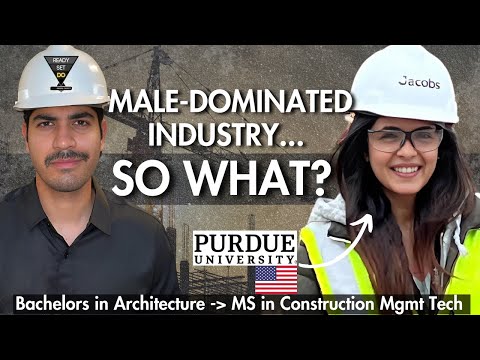
Construction is full of people who act like there is only one way to get in. Farheen did not follow that script; she moved from architecture into construction management and talks honestly about what changed, what stayed hard, and how she kept the move from turning into a performance.
Who this is for
- You are breaking into a new lane and need proof before the story looks obvious.
- You would rather hear Farheen's version while the mess is still fresh than get another polished hindsight sermon.
Key takeaways
- Trailblaze a Career in the Construction Industry (as a Woman) - w/ Farheen
- Farheen did not follow that script; she moved from architecture into construction management and talks honestly about what changed, what stayed hard, and how she kept the move from turning into a performance.
- Useful if you are trying to step into a field that still feels guarded.
Fast scan timestamps
Transcript
The full conversation, right here. Auto-captions, lightly cleaned, still very much a real human conversation.
just randomly when I'm in a room with a lot of people they asked me like what do you do I said I work as a assistant project manager at a construction firm and they were like you work in construction that's the reaction I get that's I guess a day in the life of a construction manager so when you walk me through your first you know maybe couple months or first three months in the US were there Concepts or subjects that were alien to you that you were not well versed with at all or was it mostly just of that one is able to pick up in time if obviously one is diligent enough as you said the semester but there are a lot of times where people uh or the Tradesmen would look at me and be like oh you know are you part of this or are you you know in are you a doctor because it was a healthcare environment very
coincidentally it was a similar Gap that she also found when she moved into the market with the drawing and yeah visualizing visualizing your Creations come to life so to speak can you give us a really quick overview of what EX L the cours entails like just ask myself is is this what I see myself doing is this is this this it welcome to the ready said do podcast where we learn from journeys of not experts who are just two steps ahead of us I'm Naman Pand and in this episode my guest is Fen Hussein faren is a construction management technology professional at Jacobs starting out as an architect she was able to successfully pivot into a career in construction management management where she's now making a definitive impact while challenging existing Norms in what is considered a traditionally male-dominated industry We Begin our
discussion by going over what exactly a degree in architecture entails and fh's motivations to switch out of that particular career track it was interesting and almost relatable to learn that it was her desire to watch her Creations come to life that pushed her to explore these generally unsought after paths if that's confusing around how architecture did not already do that that will make sense once you get to that section that brings us to how the degree in CMT or construction management technology finally scratched that itch of building real world structures for we discussed the culture shocks that awaited her upon her arrival in the US to get her Masters and then proceed to cover some of the unlearning that must come about when it comes to excelling at the academics the importance of teaching assistantships how to navigate The
Internship search without having a ton of experience to mind you the lessons learned during F's time as an intern and then finally converting that internship to a full-time opportunity finally we covered the day in the life of a CMP professional and Fen shares her candid experiences with navigating a professional career in a field that women are traditionally underrepresented in she shares advice on how to handle conflicts when to escalate these and the importance of making sure that no matter what the project deadlines are always met this discussion is for anyone who's considering a career in CMT or is considering a switch to a career in CMT from one of the parallel positions in keeping with our theme of learning from somebody that's just two steps ahead of us instead of an expert I'd like to emphasize that this discussion centers
on fen's experiences with getting her Masters in CMT at puru University in the US my goal is to merely disseminate the information that will hopefully be leveraged by any incoming students or professionals who are considering building their career in this rather exciting field so now without further Ado I'm very excited to present my first in-person conversation on The Ready Set do podcast with f welcome to the first in-person episode of The Ready Set do podcast thanks n it's nice to be here and uh welcome home yeah I should say thank you for also graciously accepting hosting me and you know to record this episode for us glad to be a part of this let's jump into things here we'll be covering a lot of details around architecture Masters in construction management and a host of other things so I think a decent place to jump off would
be in my mind um I've always wondered as somebody that's not from the field so to speak what exactly goes on and what exactly are you taught in an architecture course so like I know there's a lot of drawings involved and I know there's maybe some elements around studying materials and such but that's the extent of my knowledge so can you help walk me through uh what is it that you learned broad Strokes from your undergrad degree in architecture yeah definitely and the Very fundamental thing thing about or the misconception that people have with architecture is that it involves a lot of art but so to say I have heard that yeah so there is a difference between art and architecture uh art involves a lot of drawings and being creative whereas architecture involves being creative one uh but it also involves like you said uh you know
the study of materials building construction um it involves the study of the climate study of history in architecture so it like for example it's like the sun architecture is the Sun and you have the different elements that revolve around it and uh takes that takes energy from the Sun so basically architecture is like that you have the building constructions building materials climatology uh landscape design all of that entails uh the fundamental of architecture and that involves or is a part of architectural design um so basically yeah that's just to put things in perspective with it's not just drawing it's also it has like a lot of technical uh qualities involved in it and you have to have that technical knowledge to uh be a successful architect that's very helpful um especially in terms of laying
the context so did you know all of this when you signed up to you know enroll in your undergrad degree was this all you were were you already aware of all of this or was it more like a on the journey type learning that that's a that's a superb question cuz um when I started I didn't know any of this okay like obviously you learn that as you progress in your journey I thought okay you know I had a flare for design I liked drawing and you know I could uh create decent drawing outcomes but once you step into architecture the world of architecture you realize that it's not just knowing how to draw but also you know understanding space spal organization and trying to um translate an ideology into spatial design and that's I think the the fundamental aspect of architecture and that's what you learn in your architecture school is
how to be patient how to listen to people how to take criticism and how to put all of that together and trying to you know put that into design and get like a feasible outcome so um I've also heard on that same note that there's a there's almost a degree of your personality that when it comes to architecture like each all the famous Architects that know that I know of like all two of them had their own very distinct Styles so is that something that you're taught when you're in school or is that more of like a Mastery or a Master Level thing that comes way later down the road yeah and I think that comes with experience being an architect is not necessarily easy see it comes with a lot of criticism it comes you need to be robust to be an architect a successful architect and most of the successful Architects you see are people
of older ages but it's true yeah it comes with experience right you you like there's an example in in back in school we used to have drawings architectural design drawings where it used to go for review and we used to review it with different professors and external internal professors and everybody had their idea that they wanted to you know put on you or uh guide you and those difference in opinions and ideas from the the professors could tend to confuse you right but I think that also builds character as to you can take ideas from a lot of people and Implement your own Mak s Implement your own make it your own design if can be an amalgamation of everything but it doesn't have to you can take the good aspects of certain designers or certain you know Architects as an example as you're growing in the career um and you know develop your
style of architecture so a lot of these great Architects that you see they have gone through this rigorous uh you know Journey yes the rigorous journey of being criticized and you know told what's right what's wrong and and how you are supposed to design a lot of people tell you that uh but by being robust you can you know keep that at Bay and put your ideas forward it's more like sales you put your ideas forward and the better you sell your design uh however wacky it is and however you know crazy your idea might sound if you're able to sell it then you able to be a good architect that's yeah I think that's really insightful and especially to colle out there the first being that you're there's no necessarily right answer I think what you were trying to say but you also kind of have to know that stick to your guns and then you
know stand by what you've made and you know really push for it because otherwise you cannot sell something that you know you don't yourself definitely so thanks for yeah all of that really helpful context um so moving forward from there you've so you just graduated from your undergrad you have you know the world is your oyster infinite possibilities what did you do next from that point so a very a very big aspect of my AR undergrad architectural studies is that we have this period of training which is part of the curriculum um so that really helps you to understand what you will be getting into as a full-time architect uh and also makes you realize that if this makes you realize if this is for you and if um you know the career is for you and if you see foresee yourself doing this in the long run so I guess I
guess that one year training period that I had I learned a lot of toilet drawings to toilet details staircase details but um yeah like that was I think that was a great learning point because you don't really notice these things when you're in school right you don't notice the tile drop you don't notice a lot of like these technicalities if I tile drop just referring to the height of exactly you go to that minutest detail um and as an intern you create like hundreds and I'm not even getting hundreds of toilet drawings and I think any architecture student would relate to this um it's it's details of everything so that way you do learn certain measurements and you know the Practical aspect of it but then again it it's constricted to that paper design I see yeah so you don't really get to see that 100th
toilet drawing that you do come to life so it's more you know everything is on paper you put in a lot of hours and it's all on paper um that's one thing I I felt was a gap which I didn't see it getting executed on site um that makes sense like for you to visualize the creation of what you're youing so sounds like um you then chose or you were seeking alternate Parts would that be right to say from that point yeah so that's where it stemmed from um you know D during my architecture internship I I really put myself in my shoes maybe like 5 years from now or maybe seven years from now and figured out and just ask myself is is this what I see myself doing is this is this it you know do I draw the line after like paper drawings and uh technical drawings so then I think the Turning Point came when um so during covid before I applied for my
masters and before I even thought of doing my masters uh I took a break from not a break but like I had this side hustle with my job that I had going on uh which was to assist or to work with a civil engineer to for a family friend okay and get uh you know get things going get things built and it was it was basically like a build out of an uh already existing structure and do the interior part of it so I was basically working with the civil engineer and you know his laborers and giving him designs and like kitchen drawings and all of that and that's when I realized that it's not just just limited to uh these drawings per se right there's a lot more that comes after that you start working with budgets you start working with schedules you so I think that was like the turning point for me where I thought
that I don't want to restrict myself to just drawing just drawing yeah like technical drawing although there is a lot to learn in that you learn things that you probably wouldn't see on site but as a career path for me I would definitely like to see something that I design come to life and you know maybe again like few years down the line when you look at something you build you can probably say that yeah I I helped build that interesting so I guess that was like that turning point for me so I started doing my research after that and figured out that uh you know there is an option for me to move from just designing to maybe you know take it a step further and understand the different aspects of construction I started doing my research and that's when I I found out that one of my brother's friend did a very similar thing
thing and very coincidentally it was a similar Gap that she also found when she moved into the to the market with the drawing and yeah visualizing visualizing your Creations come to life so to speak so I reached out to her and I just inquired about you know what else is out there what's my option yeah what what are my options like if I don't want to stick to this if I have that background in architecture and and architecture like you said it it teaches you character like it's a character building course soting yeah it's people don't see that but because of the the different opinions that you get and because of the different uh criticism that you get feedback that you get it really builds character and it helps you deal with a lot of people in a very different way than you would normally if if you did a
normal engineering course right I don't know the first thing about this there are people that criticize me because I'm like here's my answer yeah it is either right or wrong if it is right I don't care what you have to say because you know I know this is right but from what you laying out yeah it does sound like there is no such thing as a right answer patience is the key yeah exactly like just kind of have to be accepting of various viewpoints and realize that you know two two people might be right at the same time but you just kind of have to go where you need to go so obviously we'll be drilling down into the your next part of your journey which was uh Masters in construction management but while you were in this um I guess figuring out space did you find any other um possible alternate paths in terms of careers that might make sense
for somebody that's you know let's say where that's for somebody that's currently where you were back at the time that's looking to you know Branch out from architecture um any call outs in terms of other parts besides Masters in construction management so yeah so during your five years that you are studying architecture a lot of people develop liking towards certain aspects of the design okay so you a lot of people like the interior part of it so you can specialize in interior architecture there are some who um you know are intrigued by the landscape portion of it cuz that is less explored in your undergrad which if you are that interested people you know do their masters in landscape architecture and that's a big thing specializing in just landscape just landscape so it's it's a mix of I guess it's a mix of botney as
well as architecture I might be wrong I don't know too much about it it makes sense in my head yeah but that's so interesting interesting huh yeah please continue yeah so that's one option and then Interiors in architecture is one option and then you can do an MK which is also very research based so if you like that kind of stuff like studying about different architecture Styles and different papers that have been published and technology and architecture that's one big uh course that people can take up after uh which explores the different um you know technologies that exist different softwares that exist in architecture and then the Implement implementation of that in uh today's world CU it's the construction industry is just evolving so you have you have certain uh software companies or construction software
companies that hire uh people with a specialization in architectural technology so that again is one such path that people can take uh so these are all unexplored paths we all think that oh after an undergrad in architecture there is Yi paath is like a masters an architecture so I guess the more research one does the better it is for them to you know figure out what they want to do and what actually um excites them and so really what you're seeing in sounds is yeah keep your eyes and ears open figure out what you like and kind of go into that direction so on that same note um fast forwarding maybe you know whatever time it took you to apply and get into RW um what was your initial experience like from a let's just say for now from you know a culture shock perspective like you find yourself in a new country um studying a new
course which is which may be related in some ways to architecture but it sounds like in more ways than not it's you know not actually related so can you walk me through your first you know maybe couple months or first three months in the US uh immediately after moving from India so I think the biggest thing for me I've visited the United States a couple times before so culturally I wouldn't say there was a shock but for me the biggest um I think the biggest change was I've never lived out of my house like my schooling my college everything has been in you know my city the the city that I was born in and I haven't really stepped out of home so I think that is one thing which a lot of people will also relate to to that you you're you move into a place which is not yours so you kind of feel like you don't belong there but you have
to start you know start fresh and start getting that feeling of belonging so that's I think that's something that takes a lot of time and with the right kind of people around you with the right kind of friends I think you can if eventually overcome that part of it but another shock that I I kind of had was the teaching system right so in India everything is you know it's it's all paper based it's all exam based you study for your exam you study throughout your semester you study and then there's this final product that is your exam that you have to give right so that's something that is not existing over here like it's a very different system here it's more research based you read papers you read uh uh articles and you know you you it's assignment based so you have a lot of assignments that you have to and
it's Weekly right you it's consistent over here throughout this exactly it's consistent so you have to keep up with it so a lot of the times you're not used to doing something like that especially coming from India so a lot of the times you can start slacking in that part of whether you attend your classes whether you do all of your work you know diligently but when it comes to assignments and you're not able to keep up with it I guess that's one again like a shock in terms of education system um which if you have researched or done your um part before coming and coming to the US like I guess that can make a make a huge difference in uh the way you see how you know things work out for you so I guess those two things are like the bigger bigger overall aspect of you know moving and culturally the difference in
the culture that we face um that would be it yeah so on the note of um helping prepare or doing things uh like somebody doing things before they even come to the US um specifically around academics say somebody has a background in architecture what are some things that somebody can do while still being in India that would really help them once they move let's say to the US for their masters in construction management like were you were there Concepts or subjects that were alien to you that you were not well versed with at all that you had to really you know learn at a quick Pace or was it mostly just stuff that you would say is uh one is able to pick up in time if obviously one is diligent enough as you said throughout the semester going forward mhm yeah I mean there were a lot of things that were different a lot so
one main difference is the style of construction back in India is very very different from the style of construction over here in the US so in India it's more like wet construction so you have concrete you have bricklane you have um uh you know you cure that concrete so it's not schedule based over there but here a lot of the construction is more quick and fast Bas so it's called like dry construction where you have um steel steel structure and steel frame structures and then you have your drywalls that go in so those Styles in construction are very different so that's something that you unlearn uh moving over here you unlearn that part of it and then moving forward you have to adapt to the system over here in the US so I guess that that was one and then there were a lot of sub subjects that um you don't learn in architecture school
for example statistics right right in undergrad in the architecture undergrad uh courses you have um it's more of physics based like you have structures and then you have your building load diagrams and all of that stuff you're far away from math um in your undergrad and once you move and your undergrad and once you move to the US in your Master's course there are a lot of those aspects of it you start there there are more numbers involved in it and uh you know the me system systems are very different over here like the me stands for mechanical electrical and plumbing so those systems are very different and we have courses that you know introduce you or not ra not introduce rather um give you an overview of the systems over here and how they function but again you're as an architect as an uh you know with a
background and architecture you don't really think of those things but moving over here again you have to start applying that and know that that's your um that's your career moving forward and and those are some things you have to learn and your course work is not just going to be enough for that you have to go ahead and do your research and outside uh of your course you have to learn more about it continuous upskilling exactly exactly so that's um yeah that way you can keep up with what you're learning here in your master master's degree uh that helps you bridge that gap between what you studied in your undergrad versus what you're you know getting into now makes sense so on that same note um something you said struck out to me which was you said that there's almost a degree of unlearning involved once you do that so I think
this would be a good time for probably for me to ask that say somebody is currently you know again going back at your stage where you were looking at alternate parts and this person has never heard of you know Masters in construction management can you give us a really quick you know brief overview of what exactly the course entails like you said you you know have to prepare for your career beyond that once you graduate from that Masters but what is it that exactly that you taught especially from the perspective of somebody that studied architecture mhm yeah so you start off with the basics that is statistics and when you started you don't really realize that you're going to use it so you question is like why do we need to study statistics in a construction management course but it so happens that yes moving into your career
you do use uh you know you you you do use that part of your studies to uh to create um models and a lot of things like that you have to in incorporate uh that part of your study as well as they teach you um budgeting and how important budgeting is and how important schedule the schedules of uh you know construction is is project management the thing at all that you taught exactly so it's it's very similar to project management but in the construction field interesting right so all of this that I'm building up to is coming to the project management part which is you know you have your document management is separate but you know you have to uh study the risks associated with a lot of your groundup constructions and you know you have nebor you have so many probably is the thing deadlines yeah deadlines so
interesting okay a lot of that and um that that study where they teach you you know risk management and what what exactly does risk management entail right when as a newb you don't understand what risk management is you might understand the term but you don't really understand what goes into you know studying each and every step and trying to make plans to mitigate those risks so that's I think that's something very important that we learn and then again like costs and budget and how we create like a like a full uh project plan project scope with the budgets uh that's very important over here because once you get into the field again you you start to understand these things where um you know budget and cost is a major major it plays a major role in uh you know how a project moves forward absolutely yeah and even your schedules
right all of that it's it it it really lays out um you know the success of your project or how to you know carry forward a project and if you see any sort of uh roadblocks in a project you can always plan for something like that so all of these uh courses that they teach you in your uh Master's classes uh really builds you up to that point where you know once you start a career your equipped with at least the knowledge of it I'm not saying it's going to be 100% of what you learned yeah but that's also not for most courses I guess yeah and another aspect is there's a lot of Hands-On learning so you have Labs you have um site visits that they take you for and you actually get to experience all of that in real time I never had the chance to be a teaching assistant so I'm very curious to um hear how or what that
experience was like for you is that something that you would recommend to students that study um Masters in construction management in the US yeah so um that's a very good question because I actually before I moved um before I even started my whole Master's Journey or applying right I I told myself that I'm not going to do my masters if I'm not going to get any sort of a scholarship or a you know funding opportunity so lucky enough I was able to get it right off the bat like from my first semester cuz usually teaching assistantships always start out a semester after you join so it usually starts from your second semester because you're still getting accustomed to the whole culture of you know moving and your um education system and all of that stuff so starting off right from the B I wouldn't um I would say that it was a
bit challenging to uh balance your Co work balance your ta work and uh you know your day-to-day chores having all of that just suddenly feels a little overwhelming yeah so having a teaching assistantship is really important and I would definitely encourage students uh who are applying for their masters to rigorously reach out to um you know professors from different universities and then don't sound like you want to um you know all you're looking for is an in uh is an in assistantship but make it sound like or have a genuine interest in the work that the professor does uh it's not you're not you're not going to work under them just for a teaching assistantship right you have to work with them so to understand what they do and to understand understand um uh their style of teaching and their work uh it's very important for us
to get there get that experience yeah and then um on that Sim on a similar note let's talk about internships so what what would be some ways that you recommend uh people go about looking for internships is that more or less similar to just you know how the job market Works in general like you go on LinkedIn you network you apply to jobs or are there any specific call outs that you've learned from your internships or while applying to um not just your internship but your full-time job which we will get to in just a second but yeah any call outs or insights from that experience yeah I mean I feel like when we start applying for internships we're all still so green we don't know the market uh you don't know how to proceed and you know move forward with this whole idea of getting an internship because resume
building right exactly so new yeah there are a lot of uh valuable resources that you can get on your campus so I think perue also helped me really in you know building my resume and putting the right content in it cuz we tend to put a lot of extra work which is not required so I think that part of it definitely a student must reach out to campus help to streamline their resume and get the you know hit the hit the thing on the hit the nail on the head hit the the hit the nail on the head so um yeah so that's one aspect of it and then definitely rigorously you know make a list of all of the companies uh that hire from your or particular University and the companies that for us International students we we look for sponsorship right so look for companies that sponsor International students make a list of
all of that that that automatically cuts off a lot of the companies uh you and wasted time you don't want to be applying for companies that are not going to sponsor yeah so that's that's the ideal goal you know make a list of all of that which doesn't mean to say that you don't go approach a network with those companies that don't sponsor that's I think very important and we tend to you know only focus on the ones that sponsor and we're so all of us are in that rat race of you know getting sponsorship but I think it's very important to build that Network speak to people speak to a lot of people whether they you know are a small company or a big company and that's what I I did you know speak to the when we had our um career Affairs you speak to each and every company obviously you hit the one that are most important to you but you
also um you know speak to the smaller ones and you for yourself will understand what they're looking for and how you can tailor your next meet with the important company that you actually want to get into yeah you never know where that Network might spark up for an opportunity yeah and and the construction industry over here in the US is very small so so everything is inter people know other people right so when you speak to someone or if you ignore a company that eventually that person can you know move on to the company that or your dream company and then you end up seeing them over there so it's a very small um you know community of construction management uh companies so yeah like keep an open mind when you're looking for uh internships yeah don't get disheartened by rejection yeah put in those cold applications
without any referral just I I think letters right with c c letter are very important important yeah but unlike I would say unlike the tech industry um resumés in the construction industry do not go as much uh or do not undergo as much technical scrutiny so you can be a little different which is what I adopted um very subtle differences in your resume you have an example of like a before after maybe for you know just to visualize what say so you know a normal resume when you type you know resume templates on Google you get this similar font uh format of your resume with just text and text and text and absolutely nothing that makes it stand out so one such thing that I did personally and I knew it was a risk but knowing that you know people people in the construction industry do have creative people also like myself who are
Architects right and they look they look to hire people who are different yeah that want to stand out and like I said it doesn't go through technical scrutiny it's more like people looking at a resume and you know going through those resume so uh I actually added a picture really yeah and it could back like a head shot yes a proper head shot that we took back it makes it so much more personable like it's not just a piece of paper this is the person yeah exactly is represented by yeah and it actually feels like right now me being on the other side it actually feels like that resume is talking to you as crazy as this may sound no it makes sense but it actually feels like that asum may is talking to you so from what I've heard now it is a little hard for people to find internships and it takes a lot of time
for them from the time that they send in their resumes to the time that they land a first call or a first interview so till that point you're either missing out on the other companies or you know you're just left in limbo you don't know what to do whether you're accepted or not and like I said the market is vast and you just need to find your Niche and be able to focus and apply and it is it is challenging sometimes there are certain Seasons where people hire more than they do in other Seasons so um I would just like to say that you shouldn't really lose hope uh you know keep keep going keep going keep applying just you know apply blindly and wait all you can do is wait for a response right so what was your experience like working in the internship so I'm guessing that was your first time working in America
now and I guess from what you said you didn't actually have corporate quote unquote experience even in India so what was that like um you know starting to work in the US yeah so I started off with a cold application and this was actually one of my dream companies that I wanted to get into um but I had I had no hope of getting into it so I just you know applied one day and just left it out there to you know Destiny to do its job so um I think I think when I got that first call I was so excited that I dropped everything and the first available date my that I had available on my calendar I was like here take this you know I want that first call so it all started over there and I got into Jacobs um I actually had two different um companies that I got an opportunity to inter for but I had to pick between
the two one was in Miami and one was in Chicago but uh no you you always have to look at what is best for you in the future in the long run and uh that I guess I did that and when I started off uh my internship it was I was the master student there was another student with me who started her internship she was an undergrad student and right after bad you do see like a slight difference in experience obviously people who are undergrads are a little greener than you are uh but the learning curve uh that you experience in an internship is you know great like you you learn a set of things in school but starting off your internship you actually get to apply that and like right off the bat obviously you're an intern you don't get to do all of the the big tasks that you thought you would do right uh you go with these big hopes that oh I'm going
to start off with budgets and schedules and you know apply everything that I have scheduling something and then you end up like taking meeting notes very that's that's like the first thing I did when I started my internship but once you actually do that you do realize how uh raw you are at certain things and that helps you to you know put in that effort in those different niches and it helps you understand how things function so you can just be a silent spectator over there and in a lot of these big uh owner architect contractor meetings you can just be a silent spectator and that's what I was like in ially just sit in and listen to meetings and take notes take uh you know observe how uh things are run yeah so I guess that was my experience during my internship and um yeah it was a three monthl long summer
internship that I did and uh got to learn a lot you get to you know uh based on the structure of your internship you get to have like field experience as well as you know a desk job did you get to do both I did I did we had me and this other intern we had this rotation like a rotation system going on where when she was in the office I was on field and when you're on field uh we had this um um Healthcare like a hospital getting constructed and I was ground up like from scratch so you actually walk into site and you do you realize the importance of safety you realize the importance of comp compliance to yeah a lot of the codes that you're not aware of again so I know you um graduated then and it sounds like you were offered a full-time position from the same company Jacobs um that you interned at so um would you say that
your experience after starting full-time I'm assuming must have been now different from your experience as an intern yeah so I'm curious to learn um what's your day in the life like right now I know you've been working close to 2 years 1 and a half years years now I would say so what are some things yeah what's I guess a day in the life of a construction manager it's like you said it's very a very different experience moving from internship to like a fulltime uh but honestly I it never felt like I left the company it just felt like I was on a long vacation between the two that's that's a good thing right yeah yeah definitely CU you just come back and start where you left off yeah so that even my colleagues used to tease me they like oh for's back but anyway um no moving to what it actually entails is um over I've been working with Jacobs
for a little over one and a half years now so it's it has been a vast difference from when I started to what I'm doing right now uh there are a lot more responsibilities that you know once you gain that experience that they uh start to put on you sense yeah with that experience you actually start to delve more into the project controls part of it which is uh you know not just external budgets but trying to manage different costs and intern with internal budgets with the clients cost I work on the client side uh so we are there's a client interaction yes on a daily basis wow so we work that sounds really challenging yeah um I mean fortunately enough we have good clients but not everybody is going to be uh nice right so going back to your question of a day in the life of a construction manager or a project engineer or a project manager
would be you know you start off it's basically right now it is an 8 to five job that I have um and um you know there are certain days where it's a little challenging you have to meet deadlines so you you work a little extra which is normal um and then uh we have meetings we basically what the p team or the project management team that's Jacobs does is we coordinate with the Architects we coordinate with the general contractors who are actually building the project uh and then we coordinate with the client or we represent the client so there are a lot of meeting coordination meetings with drawings and um you know the schedule like schedules here are very important uh for those in the industry will definitely know that sometimes it's your budget is secondary like you know if they need to finish a project in a year they will pump in
money to get that going but also construction doesn't really only uh Encompass like groundup construction so we have we do a lot of capital Redevelopment with our client we have uh you know new hospitals coming up so it includes a lot of these different aspects and you can with the help of your manager you can you know pick and choose what really suits you um like currently I work on a lot of mechanical electrical and plumbing aspects of construction and that's that's something I learned in my in my master's degree but didn't really you know learn it to that depth where now it all and I'm I'm actually putting applying what I learned a little bit and you know that practic experience of understanding how the system works and they are very complex so there are times where you know if I don't understand something I immediately
go and Google it or you know I ask my project manager as to uh how these things work so I guess a lot of it includes field visits you go and you know visit these projects and just make sure uh all of the work is happen happening in compliance with the drawings and uh you know what the plan that was laid out um and I guess like another big thing is like specifications cuz we go by a set of specifications that the engineers provide so is that Engineers of the clients I'm assuming yes yes that would be Engineers of the clients so they provide us with a certain um specifications with the drawings and sometimes it gets overlooked by the people constructing it so our job is to make sure that you know everything yeah exactly everything is in accordance with what has been asked and what has been uh you know what's in the
contract so again contracts become like a big part of what we do so it's it has like a lot of these other things of you know cont knowing your contract better than the contractor so that's one big Mantra that my project manager taught me which really helps cuz sometimes when you ask them questions uh you know at least least you need to be the smartest one in the room absolutely so I I guess like knowing the contract better than the contractor is a good example of of just that having worked in the hospital space for so long what are some Insider trade secrets that you can share about hospitals that that maybe you know shocked you or that you think might exist in various hospitals like is there like a hidden space for the what what what are they called The Morbid what yeah what's the room the call where they
keep all the dead people the mor the mor yeah yeah is that is there a special special specification that goes around that being built What secrets can you share about hospitals cuz obiously that's the real point of this whole podcast well so yeah I try to put it but uh the very first thing I would say is you do not get priority in healthcare just cuz you work in a hospital oh that sucks yeah that sucks where you know I actually thought that oh I work with a healthcare client so you you would think that yeah some perks or that but unfortunately you don't but uh no like like you asked about the more uh funny enough I'm actually working on a lab which is an anatomy lab so I do encounter a lot of you know donors that uh um on a daily basis I I get to see them I get to see students work on your field visits do you mean yeah okay cuz I
was worried cuz why are they contacting you no your field visit yeah it is one of our projects that we are currently doing um so we get to see students dissecting on donors uh which is great cuz you don't get to see that on a daily basis and uh having access to these kind of uh clinical spaces you do get to see um a lot of different equipment that they use and how it's being used as part of our construction is to provide them with that uh equipment you don't really see how it you know how it functions but being part of a healthcare environment you get to see or maybe you know not directly but you indirectly you do get to uh experience how a CD scanner works or a m just CU you're there just cuz you're there see and uh those are the the minor privileges that you get and access to those spaces are something
that a lay person would never get right absolutely so yeah those are those are something that uh very cool yeah and at one point in my younger days I did want to become a doctor so okay having this you know con being a construction manager a project manager in a healthcare environment really gives me that wholesome feeling of you know I didn't get to fulfill that dream but I am a part of it kind of yeah to you're a part of it and you get to um you know do good to the society by you know building hospitals and it's a very good like a Feelgood factor for you to be a part of that whole program yeah it really sounds like it gives that purpose for you to you know get out of bed every morning and know why you're putting in the ground um speaking of society this might be I don't know not a not the best phrase question but from from what I
understand um the conern prodction space in general or that industry in general is not one that you would generally associate a lot of um women workers with is that something that you've seen and if so what has been your experience working in the industry that traditionally at least is not known to you know work or hire a lot of female workers yeah absolutely and um I often get asked that question uh you know people don't really when they look at you they don't really uh assume that you're from a construction background so when when I get asked that question or like just randomly when I'm in a room with a lot of people they asked me like what do you do I said I work as a uh assistant project manager at a construction firm and they were like you work in construction that's the reaction I get wow so with that reaction
you know it's not a common scenario yeah okay so I guess that's something that is ongoing it's and it's getting a little uh you know popular amongst the women and the communities of women Engineers or women in construction is getting growing stronger which uh makes it easier for the upcoming generations and uh there space being made yeah there's space being made and there's more acceptance but having said that there is still a lot of resistance from especially people trades people who are you know who are more experienced with their Hands-On work uh so one such example is when I went on a field visit or a field trip uh I didn't have my project manager with me I did my daily logs as an intern so when I went uh you know there were a lot of men usually men are probably like 75 80% of the tra actually would have guessed
higher so this is just a number I'm throwing out there but yeah roughly around that much uh you see men in the in the on field so when they see a female and an intern right when you ask them a question sometimes there are a lot of people who understand that you are an intern and that's besides the fact but there are a lot of times where people uh or the Tradesman would look at me and be like oh you know are you part of this or are you you know in are you a doctor because it was a healthcare environment uh so that assumption is something that we're all you know as a community to change uh yeah and then there are times when your word is not taken as seriously uh as when a male counterpart would say the same thing so those differences not very subtle but you know with time hopefully with um you know people more yeah more adoption uh
does come into light and people are more accepting of the fact that you know women in construction are as uh equipped and as skilled as the men that exist in uh the environment for sure and first of all um that's really unfortunate I'm sorry to hear that happen that cannot have felt nice on either of those occasions with the with the trads people as well as you know when your word is second yes so I guess um are you willing to share what's your go-to strategy when something like that happens do you like you know kind of accept that or do you fight back like how does one how do you go about dealing with that stuff when that happens so we have to be careful cuz there are two aspects to this one you are a women in the woman in the industry second is you're still green right as an intern I still yeah the trades people do know
their work way better than an intern definitely and hands down I wouldn't uh you know I wouldn't uh question that question that I wouldn't retaliate against that but but having said that with with experience uh when you over a period of time if you face the same sort of discrimination uh is when you have to speak up against it and it doesn't mean that you fight or you know retaliate in a very negative way but um the right way would be to speak to the person who is behaving in a certain way and understand why they are behaving in that way so that's something that I try to do um you know when when I get that kind of a response or retaliation and again people skills is something that you need to have to get to that point soft skills soft skills basically yeah you talk to them understand why you know they're
behaving in such a way and if it if it continues then you know you have to uh put your foot down but again in the soft way not in a way which would disrupt things in the project the project environment is very important and to maintain that decorum and to make sure that the project is going on smoothly you cannot have these differences but you know take it in the right way and um you know do the right kind of steps that are uh you know advised in a corporate envirment in a tactful way in a very tactful way you have to exactly you have to be very careful you don't break ties in the in the construction industry because again it's it's a very small community so if you if word gets out there that you know this person is retaliating in a negative way then that I would say would put a question on your um maybe even your firm
right cuz you're Associated attached to you so there are a lot of things you have to keep in mind before retaliating but having said that it's not something that you have to be quiet about you know join communities join simil you know uh communities with women and you can understand problems of different people and that would help you in in giving a better response yeah you don't react you respond right so that is something that uh I still have to learn uh you know there are times which I would keep quiet when I would you have to gauge the situation right you can let it go sometimes but I would not like you know it depends on the level of uh discrimination if you may absolutely absolutely so responding better than reacting is I think that's like the Mantra and you can reach out to seniors uh in the industry or in your team and
explain the problem to them and they can intervene if they have to uh there are different ways to go about it but yeah I think those are such helpful tips in the very unfortunate chance that somebody might need to adopt them but um yeah for it's been such a wonderful experience to sit down here and honestly I've learned so much I feel like about not just architecture but also about the construction industry some striking parallels between the work you do and the work I do even though it's you know not even close to being related so I would yeah thanks so much for sharing all the wonderful experiences that you bring to the table and really excited to watch your career progress and watch you you know continue to make space for more future women uh women in construction management as well as you know just
furthering the amazing work that you do thanks it was it was great to it was more like a recap of my you know prems and my postmasters uh journey journey so it was great to talk about it and I hope this has been helpful for you and your viewers and uh it helps students out there like me who back then probably didn't know what I wanted to do but now I can say that you know this has been the best decision of my life uh strong words but I it it is something that I look back and I'm thankful that you know there were people to support me to do uh to make this change or to make this move in my career and uh there was nobody holding me back from it so I I I guess that you know if this little these little tips and tricks can help people out there it's going to be uh great and on that same note past guests on the show that have actually said very
similar things about their decision to you know do a masters in the US some of them have said that actually while still being in school like it's not even like you know they know it worked out they have a job you know they're like cruising in life so to speak despite that they've still shared that and they also shared that same sentiment of yeah I wish this existed when I was you know trying to find things out and it sounds like yeah there is that gap which hopefully um I'm working to fill so yeah big big thanks to you for agreeing to you know talk about your experience and also for hosting me that brings us to the end of episode 11 of the ready side do podcast I hope F's experiences have been as illuminative for you as they have been for me the final section around how to navigate conflicts was a particularly eye openening one for me
for sure I would like to thank you all for continuing to share these conversations with those that continue to benefit from them if you benefited from this discussion the easiest way to support me is by subscribing to my channel on YouTube and by leaving me up to a f star rating on Spotify I'm extremely excited to jump into this next era of episodes where I have a bunch of really interesting guests planned for you all catch you all in the next one new episodes every Wednesday
Transcript-backed moments
A few lines worth stealing before you hand over the full hour.
just randomly when I'm in a room with a lot of people they asked me like what do you do I said I work as a assistant project manager at a construction firm and they were like you work in
and they were like you work in construction that's the reaction I get that's I guess a day in the life of a construction manager so when you walk me through your first you know maybe couple
through your first you know maybe couple months or first three months in the US were there Concepts or subjects that were alien to you that you were not well versed with at all or was it mostly just
versed with at all or was it mostly just of that one is able to pick up in time if obviously one is diligent enough as you said the semester but there are a lot of times where people uh or the
lot of times where people uh or the Tradesmen would look at me and be like oh you know are you part of this or are you you know in are you a doctor because it was a healthcare environment very
Show notes
Construction is full of people who act like there is only one way to get in. Farheen did not follow that script; she moved from architecture into construction management and talks honestly about what changed, what stayed hard, and how she kept the move from turning into a performance. Useful if you are trying to step into a field that still feels guarded.
More in Break In
Same mess. Different guest. Pick the next conversation that feels closest to your real life.