Episode 18
How To Design High-Quality UI/UX Tech Products (Microsoft Edge Designer POV) - w/ Tushar
One of the twenty most-watched Ready Set Do episodes on YouTube right now.
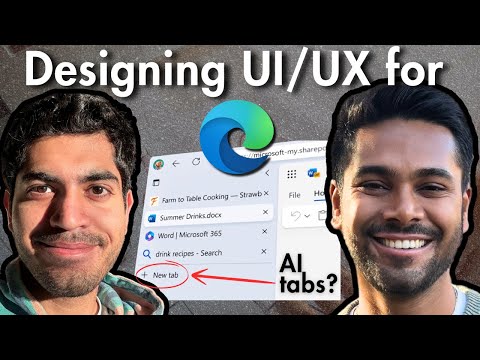
UI and UX advice gets mushy fast because people love talking about taste more than work. Tushar gets specific about the HCI route, what product design at Microsoft actually asks of you, and why good interface work is usually less about pretty screens and more about thinking clearly when the constraints get annoying.
Who this is for
- You are breaking into a new lane and need proof before the story looks obvious.
- You would rather hear Tushar's version while the mess is still fresh than get another polished hindsight sermon.
Key takeaways
- Design High-Quality UI/UX Tech Products (Microsoft Edge Designer POV) - w/ Tushar
- UI and UX advice gets mushy fast because people love talking about taste more than work.
- If you want the real version without the jargon fog, start here.
Transcript
The full conversation, right here. Auto-captions, lightly cleaned, still very much a real human conversation.
during my time at Georgia teack I got to intern at Google would you say that that degree essentially gives you a foundation in all things designs I work on the AI team for Microsoft most of the work that you do on a DD isn't just like design oriented it needs to be coupled with the text I'm not allowed to share anything about the confidential company stuff what's your take on all the Internet Explorer memes do those just annoy you if you're telling your parents I'm going to be a designer the first thing they think of is does this guy want to be like a struggling graphic artist that makes no money I worked on go Clower and then I'm working on edge which if you think about they're both underdogs of the opposite company are you a believer in the concept of objectively good Aesthetics in terms of design I'm looking to distill some of
your expertise on this subject of aesthetic design and what looks good visually in a way that's translatable for people like me there's so much signals and Telemetry and stuff that you can look at to see if you change the design of a tab are people using tabs less next time I'm trying to install Chrome and like are you sure he want to do that I know who to go to for that feedback welcome to the ready said do podcast where we discuss journeys of not experts who are just two steps ahead of us I'm Naman Panda and in this episode my guest is Tushar Gupta Tushar is a senior product designer at Microsoft AI specifically leading the charge with the recent wave of developments that we've seen on Microsoft Edge being somebody that comes from Tech and interacts with tech technology on a daily basis and always wonders about exactly how product
designers come up with ideas and Implement them I seize this opportunity to ask Tushar a bunch of questions that I've always had We Begin our discussion by going over the human computer interaction course that tar studied at Georgia Tech and exactly what that entails in terms of not just software design but also Hardware product we then Deep dive into the similarities and differences between UI ux and product design obviously I had to use this opportunity to ask tar how Microsoft Engineers feel about all the Internet Explorer jokes and his response may or may not surprise on a more serious note however it was astonishing to discover the amazing paas at which big Tech performs numerous incremental upgrades to existing softwares that are sometimes used by tens of millions of people we then go over some design tips that
Tushar has learned throughout his career that any lay person can use in their day-to-day life be it while designing flyers or birthday cards or maybe just in their presentations at work this discussion is for any person that envisions a future in product design for themselves or any person that's curious to learn about how design changes are pushed across products that they use on a daily basis in keeping with our theme of learning from somebody that's just two steps ahead of us instead of an expert my goal with this discussion is to shine a light on tushar's Incredible Journey Through first learning about product design and then implementing changes that impact millions of lives on a daily basis this is the ready said do podcast and to support it please subscribe to my YouTube channel and now my friends without any further Ado my
discussion with welcome yeah thanks for having me now one um for our listeners and myself do you mind giving a quick outline of kind of your career trajectory since you finished your Masters I believe it was at Georgia Institute of Technology and kind of how you got to your current role at Microsoft um working on product design and or U yeah definitely so hey everyone I'm tashar uh I think I I want to start a little bit like further from like the Jia Tech thing I thinkful but yeah uh but I think yeah I got into ux from a very like early age I would say like uh I didn't even know it was called ux at the time it was more of like graphic design and I think I really have my brother brother to thank for that decision because he is like 5 years older to me and I saw him like get into Cod uh when he was in high school and I
was sort of like in middle school or like seventh grade I believe um and it sort of just feels like such a natural Journey from that point right because like I got into Photoshop I was like doing graphic design for the longest time and then uh that interest sort of like seeing my brother build things um it made me sort of want to build things so I started learning like a little bit of programming and then uh I did my undergrad in CS which was still like at that point I think when I was just starting my undergrad like product design or ux design in India really wasn't like a well-known thing I don't think there were a lot of like courses that you could really do uh it was all just called design right and it was very hardware and physical in nature um but I think at that point I had to take a call that hey like am I going to stick with a
safe career choice at the moment and I think you know my parents also had a role to play like when you tell as a as a brown kid in India like if you're telling your parents that hey you know what I'm going to be a designer the first thing they think of is like oh like does this guy want to be like a struggling graphic artist that makes like no money yeah it's like the Arts and Humanities where you're starting put food on the table exactly yeah yeah so it's like that taboo that goes with like creative fields in our country but I think to be honest like it's gotten so much better since then but um when I was still in like undergrad I chose the safer path in some ways right like I chose um uh CS but at the same time because it sort of like I knew that I would be good at CS right because I was already building things on the side I
enjoyed programming but all all throughout those four years even in India like I always had like a design inclined mind right like I was always focusing on not just the code that I was writing but also asking myself the why behind those things and like the focusing a little bit more than my classmates on like the way that things look uh and I think those experiences really helped me because you know I was able to get like a ux and toship in India which also so at that point was not like a formal process like it was just me reaching out to a bunch of designers only who who work with these like top design companies in India I remember one of them was clear at the time like you might remember it being like a very like iconic product design company and like so I I messaged someone at Clear trip they were like oh yeah
like you have a portfolio which at that point a lot of people didn't even have a portfolio right I mean I feel like still even today a lot of people don't and so just for context what year was this just for me to Contex so this was in 2080 2080 yeah awesome so yeah I'm not I'm not that old but I think like from the Indian product design industry standpoint like there weren't a lot of people in 2018 who like were young designers I would say like it Majors I feel like you know yeah yeah it really took off I would say somewhere around like 2020 like during Co and stuff like all the cohort and such like so many like courses but yeah basically I did that internship at TI trip in 2018 um and at that point I was like Hey like I am so sure that I want to do product design right like this is like so much more relevant to me than just being like
a software engineer because at that point since I said I had an elder brother like he was a software engineer and I saw the kind of things like he was doing every day versus the kinds of things I did as a product designer and I really enjoyed the design part a lot more so so I think yeah like that's what led me to applying to a bunch of these colleges for my masters and uh I was fortunate enough to get into Georgia Tech with like a scholarship so like that's when I went and uh during my time at Georgia attch I got to intern at Google in like the summer between the two years which was again like an amazing experience like you know it was sort of like a dream company for me at that point um and I really enjoyed that experience and then you know I interviewed full-time at a bunch of other places um and decided to choose
Microsoft because of the sort of product that I would be working on um and the product that I work on right now is like the browser so basically Microsoft Edge I work on the AI team for Microsoft Edge like how do be bring in the goodness of co-pilot and AI into like an everyday product like a web browser awesome um and then what was your master's degree in like what was your course called exactly so my Master's Degree was in human computer interaction which sounds super technical it feels like you know like it's a little bit of Robotics but I think that's just been like the scientific term for like uh product design and HCI uh but I would say you know it it is a very broad term like as an ACI major you can do so many separate things inside that right and like product and like ux design is just a very small part of it
totally I actually happened to study a human computer interaction course at industrial at the industrial engineering school at puru for my masters so ni very weirdly yeah I know that first of all I know how n it is and how few people might be you know familiar with that but it it's kind of funny that I have happened to study that exact thing and yeah to your point I can relate to just how broad it is I feel like the biggest things I remember from that was like there was like little case study around um they changed like buttons on a cockpit of like a certain place and because of that the whole industry for a couple months went hayre because you know just how humans are work used to like use your left hand for this right hand for that and if you screw that around too much it's you know things start to break out systems start
to suffer so yeah that's very interesting I guess do you mind um shedding some more light on the type of courses that you're taught within that degree just for just like an outline for you know our listeners yeah definitely I think the best part of my like ACI degree at Georgia Tech was definitely the diversity in courses right like right so I think the best way to describe it is that we had four tracks inside the program right you could choose between interactive Computing which is basically like all the Cs and like you know coding Focus part of the degree or you could have like a focus in like psychology which is again like a huge F of like design so interactive Computing Computing psychology uh literature media and communication that was the third and then the fourth was industrial design so just as those terms sound it's exactly
that right like there are courses in all of these tracks and like you choose to specialize in one but you get to take courses from all for all of them by the end of your degree like it's really up to you like do you want to be like more psychology focused so a lot of like user researchers for example do that like they focus on psychology and it takes them like through a journey of like hey like how do you inter people how do you like become a part of their lives to see like and observe their behaviors and things like that versus industrial design is more of like hey like there are people from that school of like industrial design that have gone on to work at Apple and such so like they actually work on the hardware design of how airpods are made so there's so many separate parts of design and like you
know just the feeling that you have when you use an apple produc of like you're opening that airports box and how like that experience that magnetic of like closing and opening Thing versus like as soon as you bring it closer to your phone the way that the screen pops up with that he like is this the thing that you want to connect like all of that to me feels like a part of prod design that's that's just I mean I feel like going back to get another musard the the way it like it all sounds so amazing can I ask which uh specialization you chose out of the four you you referenced right so I think I I decided to play it a little safe and I had spoken to a lot of like previous students and such and I knew that for the skill set that I have the safest major for me is uh interactive Computing which is basically I would have had to
take a few more courses than the other tracks in interactive Computing right and um I just like you know looking at all the cours work and such like I wanted to make sure that I do have a focus and um I think like even as I talk about my work at the moment I think every designer sort of has a superpow right like it's it's important that you distinguish yourself from your colleagues in different ways and you know for everyone it's a different thing but for me it's my ability to connect the technical parts of design to like the visual parts of it so like on my example like I'm the guy who can like design something but also talk to the devs about it in a way that um feels very like relevant to them and like I'm the one who can like sort of build designs in a way that feel feasible to them so like I might not be
the most like visual designer like there's a stereotype with like a lot of visual designers that you know they can make the prettiest thing but then when they show it to the developers they're like ha like we're never going to bun this so like it's good to have a balance but I think for me like that that superpower is just about the ability to like think of a design as something that can be built but at the same same time also help and build that's so interesting to me I guess just to drill down on your experience at Georgia Institute you know just one more level would you say that that degree essentially gives you a foundation in all things design so it's not just software design or the way a certain app looks once you load it you know the way the fonts interact the colors interact with the background Etc
but also on a more higher level the hardware aspects that you reference such as with the airpods how how to design all of those things in my mind those sound kind of really disparate things I just you know I'm kind of struggling to um a certain how the same person could you know be you know at least a m maybe not a master but well versed in both of those fields so is my understanding correct and if not what would you add to that yeah I would say that it's more of like you get a sense of everything you're not I don't think you can be a master of all of those things sure some like people with a lot of experience can be uh but for me it was the ability to sort of as you said like develop a foundation and all these different things and like choose like basically how much you want to invest in each of those skills right because ideally like
it's almost I I like to think of myself as like a t-shaped designer right like so like you have a breadth of knowledge and all of these different fields but you can go deep in one they um and like I think think there was a very interesting tweet that I saw yesterday about like the age of AI right like how what does it mean to be like in a tech field during AI um and basically someone said that it's much better to be a generalist with like some specialized knowledge uh rather than a specialist in like one very specific thing because it's almost like you know like when you think of AI and how it it's like affecting software dou at the moment like it can write code for you but it can't like think to the level that maybe you can think of at the moment right so it's almost like it's not about your job being replaced it's about how you get
smarter at doing the things that you're doing and increase your scope so the lower level tasks can be helped with in terms of like the AI that is your companion it it develops a foundation for you but you get to choose what areas you want to go deep in awesome so with that you let's fast forward a little bit to you know your graduation day you finally made it B yourself on the back and you have a job lined up at Microsoft is it so when you started I'm assuming AI wasn't a thing at the time is that right or okay so yeah um I'm I'm trying to contrast a little bit between your day in the life at the time say at your first month at Microsoft versus right now that's a great question I think my first month uh was a little bit of me being a sponge right like because when you join a company like a big company
like Microsoft like on your first day like you're attct with so many people who have been at this company for like 10 years plus right like veterans basically who have seen so many products being built being shipped having like some products that fail and like learning from those things and like I think especially as like a new gr uh and like the advice I always give like people who join our team now is to just listen and absorb right like your job especially as a designer like sometimes it's really uh easy to come into a new team and basically just question everything that you see and be like hey like why does this look so ugly like why does this function this way and like basically raise a lot of questions without really understanding the context of those things um so my first month and this is something I learned from my
internship as well right because Google is also like a huge company and having worked at that environment I think my first month was basically setting up a lot of one-on ones with everyone on my team but also like my sister teams and just asking them more about hey like what are the things that you worked on like what are the things that you like about the team what are things that you wish were better and like what's some advice that you would give to someone who's joining at this moment uh so it's it's important for you to understand the Dynamics of the team that you're joining so in that sense you know like my manager was kind enough to put me on like some smaller tasks to sort of like ramp up understand like the product that I'm building like start small with like things that are pretty straightforward
but still requires some level of thought to like get to a finish stage but I think of those moments and now I fast forward like so I just finished three years at Microsoft today fnally enough and thats man yeah thank you and as I like contrasted to my life to like now I'm just like on my own leading like big projects and like working with so many different stakeholders like leading the design like having so much more of an opinion and I think all of that comes from finding your voice as a designer right and I'm saying this in the field of design but anyone at any job right like I think it holds true for them like the longer you have been associated with a certain project like the more you feel like you have the confidence of hey like I've seen this PE built before this is what we Le fromit like here's what we
can do differently this time so that sort of contrast is so crazy to me because I would have never thought that this is the level of autonomy I would have at this point in my career but it's sort of like a worldwind right like you just like go with the flow and like this is where like life has taken me in the last few years uh what were some of the products that you were working on um when you first started I guess what was some of the things that you got to get your hands dirty with right of the bat especially around you know design or that entire umbrella of um expertise yeah yeah I think the best thing about a web browser is that everyone knows what I'm talking about right like like everyone uses a web browser even if you don't use Microsoft Edge like everyone's familiar the with these Concepts and like the things
inside a web browser interface because they use it every single day so I remember some of the very initial things that I worked on were more of like small utilities right so remember one of the first things was like a control F experience so like when you're finding something on a page how can you make that experience slightly better than what exists in the browser today and like I think everyone's first thought when you work on something as fundamental as a web browser is dude like I understand how a web browser works like why like what what do you need to design in this thing right like it's built I I use it every day and like it works so like you know it's it's sort of like that thing like if it isn't like that don't fix it y um but it's about those tiny moments of delight right because we shipped a feature for like f
on page where it was like you can ask more like pointed questions like you can match case you can like um search for synonyms and such based on the word that you're searching for and it's those tiny features that bring about such a big Delight in users right because they don't expect that functionality from a thing as simple as that but when you show it to them they're like oh like this is amazing like I I would have never thought of this but I'm glad you built it uh so those were some of the things that I was working on when I joined as you could see like it's pretty small in scope like I don't know like maybe five or 10% of all web browsing users probably have ever interacted with the control F thing in their lives but now probably say more honestly yeah probably say more yeah but I I still I get your point though yeah and but now
like when I think about the things that I'm doing now it's more of like I'm working on things like tabs so now I'm working on hey like what happens when you have a bunch of tabs open like should AI be able to help you group those things and like does that help you get back to them faster when you close the browser and open it back up again so like obviously you could see like the difference in scope that 10 yours makes and yeah i' I've been really excited about working on stuff like that that's really incredible so a couple um things to call out there one of them is non- serious the other actually is is actually a relevant question the first is what's your take on all the Internet Explorer memes do those just annoy you is that I'm very curious to hear the you know temperature on the Microsoft floor when those were I guess they aren't
really a thing anymore but how did you all yeah deal with that yeah it's it's it's very interesting right because obviously like I wasn't the part of the team when like Edge was launched but I hear a lot about just like the market perception of a brand right and how hard it is to get over that brag uh and that perception so in some ways yeah like we all know that Microsoft uh sorry Internet Explorer was like a great browser like it was ahead of its time and at some point um they sort of just you know like things weren't being innovated as much and that's how like Rome got got its entry and now it's like being cumbered right like we all know that story but there's something really nice like at least as a designer because I used to work on Google Cloud during my internship and uh you might know this but Google cloud is not like the biggest
cloud in the world right like it's aure and like AWS that are sort of aead in the field and then cloud is sort of like the underdog in that space and when you work for an underdog so in this example like you know I have worked on Google Clow and then I'm working on edge which if you think about they're both underdogs of the opposite companies true yeah I I love that analogy you're spot on there yeah and I think the exciting part as a designer is that when you're the underdog you get to experiment with a lot more things that you would if uh against like if you were the incumbent right because when you are the biggest player in the market like you want to keep things stable and you want to like stick to what works but as the underdog like you get to experiment experiment with a bunch of different things and
it's sort of something that is really exciting to me as a designer because it allows me to think outside of the box love that candid response there my actual you know serious question on that around that was it almost seems to me that this is like a very I would say happy marriage between so like what do you reference with the control F functionality I would not have put that firmly under the product design box so I guess what I'm getting at is there's a decent element of you know still computer science or like coding involved with that still so is it am I right in assuming that most of the work that you do on a DD isn't just you know like design oriented it needs to be coupled with the tech you need to understand how it works with the tech because if not then you're probably you know maybe just wasting time would you say that's right
or is that like a step that comes later down the road no I think you're absolutely right like the best designers that I know are people who were hand in hand with like the technology that they're developing right and like the AI thing like maybe we'll talk about it later but it it has changed things a little bit because it has really made a difference in what we know or think is possible right in front of our eyes but for something like a Dr left like I I can have design ideas for it but I need to keep talking to my devs and like my product managers to make sure that hey like does this make sense like do we feel like this is something that we can go achieve in the short term and the long term and the medium term like these are very like product level discussions that you have every day in this job um and yeah like I think the best
Partnerships are where you have like a very healthy line of communication between all of these different roles but I have also seen scenarios where like you know designers are being used as a service which is basically like you know the PM comes to you with a very specific requirement they're like okay like can you give me like these three things uh and you know that's it and the designer just does it and then the pm has no further communication with the designer they just take that give it to the engineer and then work with the engineer on getting it built and the designer and in some points doesn't even ever see the final product so that's like the bad way of doing it I would say but unfortunately sometimes that's how it is um but with most of the things that designers work on like it's that healthy
line of communication at every step of the way you know you can imagine like when you are developing a feature like it's more design and research heavy at the front side of it because you're figuring out what to build what to test what users are going to think about it but then the second half of it is always more like Dev Focus because they're actually going to go and build the things and like they might come back to you and say hey like you know what like eventually we thought we could do this but like we looked at we looked into it and it doesn't feel like a good like experience like it's going to take too long to load so like can we reiterate on something here and uh that's when you have to go back and be like okay I'm going to put on like my realistic head now um on the interplay around the product manager product
designer and like the people that actually design or you know the designer themselves or maybe I actually don't know who those people what they would be called maybe just developers um yeah say you're trying to add a new feature to Edge so like maybe you're aware of this but like there's a big you know um upheaval around Opera making a comeback um maybe yeah yeah they have a bunch of really new cool flashy features where they're like some of the stuff that you mentioned so like it'll automatically combine all of your tabs of like a similar nature save Ram all of that good stuff so I guess my question is who comes up like who owns um say an enhancement we'll call it to these products is it the product manager or is it you know like your job to do that I think the best enhancements are thought of uh by anyone right uh obviously like
everyone keeps a close eye on their competitors and just like you mentioned like there's so many browsers that are doing great things in the space right and uh you know some features work for certain certain browsers but might not work for other browsers right for example like Edge is the browser that's like pre-installed on every Windows device right so if we do something too drastic without testing it with like the audience that we have then we have the risk of like people just being so confused with what a browser can be or should be so like every like I would say app has their own challenges like they need to know their user audience well and make sure that they're designing for them right so I'm like sometimes I'm really inspired by the stuff that Oprah is doing or like even other smaller browsers are doing
and like I definitely keep an eye out and see if there's anything new in the market that we need to be thinking about um but to your question about who comes up with these ideas like I think the best ideas as I mentioned are from anyone like I could look at something or like I could be like designing something and it just like gets a spark that hey like what if this was this way instead of like the way that it is right now and then you know you talk to your PMs and you talk to your fellow designers you walk something out and that's the beauty of where design shines right like it is so much cheaper to prototype an idea out in design than for me to go to a developer and say hey you know what like leave everything that you're doing go bur this out for me and let's think about it so that's where designers really come in like a lot of people
think that like your satisfaction as a designer comes from like hey like here's all the things that I've changed or like shipped in a product right so for example like I could be the person that says hey like you know I've like improved the control find experience on edge but I think it's less about the things that you ship obviously it's great when something ships but it's about all the ideas that you tried on the drawing board and you confirmed that they were not great ideas right yeah you save like so like probably millions of dollars in like developer time to like actually go and build those things right it's like almost not shooting yourself in the foot is in fact a privilege even though a lot of people might not look at it that way but with stuff like this I can I can appreciate the willingness to go overboard and do something that
wasn't really needed or that wasn't vetted enough and then pay the price for that so I completely relate almost to what you're saying around like little increments baby steps don't break what you have don't alienate the customer B you have and kind of build um from there um shifting aars just a little bit I'm hoping we can bust some myths around you know essentially like your field of work so to speak so what is for a lay person such as myself the difference between product design and ux and maybe if you're willing we can throw their little cousin UI somewhere in there as if at all it's relevant to that question right yeah that's a great question and you know it's obviously a thing that's like one of the most a thing when I would say everyone has a different answer to this and interesting the biggest problem is
that a lot of these terms are used interchangeably right like people like for example UI and ux like people say I'm a uiux designer right or like in my case like my official designation is a product designer right so every company every person like they have a different take on this but for me like having having taken a bunch of courses with Georgia Tech that sort of like dive into some of these topics a little a little bit more the way that I understand these things is that uiux is a subset of product design right product design to me is like the whole experience of using a product so like going back to that airpods example like it goes from like how the software interplays with the hardware the feeling that you get of using the hardware to like I could even zoom out a step further and it's like it's the experience of buying a product
itself right like what is that seamless experience of like getting to that experience of like buying that thing and then opening that product that like taking off that seal everything is a part of it right so it like it becomes really hard for one person to be like the product designer for every step of the experience because you can imagine so many different people and so many different like teams being a part of this whole experience right so that to me is like prodct design it's like all of these different steps of like ideation strategy visual design like prototyping and experience out and even marketing like how do you Market this thing and find the right amount of users for whatever you're building um but UI and ux design you know it sort of stands for user interface and user experience and people use these terms together
because the user experiences about the interaction right like correct how does this thing move uh and how does it sort of feel usable does it like feel enjoyable to the user is like is there a moment of like Delight is there a certain animation like for example I remember when you book something on Airbnb like there was like a nice check mark and like some confetti and stuff that they throw around and like you know it just feels really delightful you feel good after using the new product then the last part of it feels like accessibility you know like there's a huge percent of the audience in this world that you know uh has like some sort of accessibility uh issues or impairments that we need to always keep in mind as we're designing things so like whether it be color blindness like low uh low eyesight or low vision basically uh
there's a lot of things that you need to make sure to uh confirm that the thing that you're shipping or designing especially when a company like Microsoft does something that it works for everyone not just like uh a certain subset of the audience so that is more like user experience but then you know like user interfaces you know more of like the visuals and um like the spacing the typography the hierarchy the colors that you're using I haven't met a lot of people who are just like UI designers anymore like it's sort of like a part of the job description to be good at both and but there are some like very specific roles where visual design really plays a big role like when you're someone like an illustrator then you are pretty much a visual designer like making certain like brand assets that go on certain other marketing
things uh but from a uiux perspective I do think most people are considered to be like proficient in both when you're like working in the field yeah thanks for that amazing Deep dive are you a believer in the concept of objectively good Aesthetics in terms of design obviously I'm speaking under that umbrella versus objectively bad Aesthetics and we'll get to the second part of the question in just a second but this one's just a yes or no I mean yes I think my short answer is yes like there are certain decisions that you can take when you're developing something that just from like the standard paradigms and so much of the literature that has been written about like user experience design that there are some like red flags that you have to keep in mind and avoid as you're building things perfectly segues into my second part of
that question so the stuff you mentioned around paradigm and the literature that's I'm sure that you very well vered with but I'm not and I believe most of our listeners probably would not be really what I'm getting at Tushar is um for people that just their in their day in the lives are doing some designing for instance I'm doing like YouTube thumbnails for my videos or there might be a person that's making like a flyer for a party that they have next weekend what are some design tips that you've learned through your entire Journey that are almost and you can treat it as like a red flag question also either works but really I'm looking to distill some of your expertise on this subject of aesthetic design and what looks good visually um in a way that's translatable for Lay people like me and maybe other
listeners that are interested in design but for whatever reason don't have the resources or you know ability to sift through all that literature and don't know those paradigms yeah I think that's a great question but also a really hard one because yeah um because there's so much that someone can say about what is considered good design but when YouTube or Reddit but they go through redesigns there's always like a loud minority voice that says that hey like I hate this like why did you change this like I love the old layout better like I I want to go back to it but then you look at your user signals and it's like most of the people like this thing like everyone's happy like people spending more time inside the app and everything works right coming back to your question about like design tips I think to me
it's just about developing like a design eye right you don't have to be a designer to have a design eye right U I think it's more about about just almost like understanding the intention behind the things that you see every day like and this like I remember there's books and stuff that talk about talk about this but like next time you're using an elevator think about all the different kinds of elevators that you've been in right yeah like some of them have like a way to enter the but uh like the floor before you enter the elevator right like on that screen others have it like inside and like think about every single thing that you basically do and this is like such a meta point but every single product or experience that you use was built a certain way by people uh to help you get something done with that product right
um and then like it's then the second step is like how do you apply those things to the things that you are creating right so it's more about like how people are going to experience the thing that you're making so for example like you mentioned YouTube thumbnails right uh when you look at successful creators uh you will start to see patterns with how they do their thumbnails right like there's one big appeal thing in each thumbnail and the rest of it is sort of like a supporting act to make sure that your eyes go towards that main thing um so a lot of people when they think about design like I think uh their thing is like hey you just need something Visual and flashy like everywhere right like they get that concept of like not every single part of your design has to be attention grabbing it's almost like the opposite effect
right like if everything is screaming for attention that nothing is really ATT grabbing y so that would be my biggest tip I think like there is Beauty in like minimalism right and this is like a very designer opinion so sometimes I C about it as well but like basically Ness is more right like let your content and your story shine through no matter if it's a thumbnail it's a flyer like perceive it the way that the reader or the viewer will perceive it right I know like as creators it's really easy to like overe explain like for example you're writing a flyer about something you're the expert in that topic that's why you're writing that thing right so it's so easy to say that hey like you need to know this this this this this need to know this this this is what is important this is what other people said this is what the
research says but like it's compared to a story of a movie that you really like like did they tell you everything about the story in the first 10 minutes no right that they built it up to you like they hook you in and that's how they got you to stay till the end to see the pay off so that's what you need to do with your design work as well and uh you know I really should and I'm sure I will we will be connecting offline after this but I'm going to request that you review the thumbnails that I have because I feel like your um your opinions there would be extremely valuable for me because I mean candidly when I first said that's a tough question I was like I didn't mean to put you on the spot because obviously but then you I feel like proceeded to just absolutely nail that um you reference that there's big
changes that are sometimes made on byproducts or on products and then there's like a before after type of situation have you personally been around with any of those big jumps I feel like I'm pretty sure Edge has had a few kind of major iterations over the past three years would you would you agree yeah I think it's every company has a sort of different take on it right like there are some companies that come up with a redesign all in one so I think redit is a sort of example that I can think for that where like they redesigned their whole like homepage experience and every part of the app and like the web experience like all in one go and then they put it on users and said hey like here's something new you can go back to the old experience but we would love for you to try this experience right team doing that rightly
Microsoft teams oh oh yeah right right right yeah so teams you know like they published a big Ren design and they have a dog that the top that lets you like you know go back forth on it y uh but then there are products like Edge where you know the philosophy and this goes to a lot of things right like it's not like it's up to me to decide whether there should be like one whole redesign or like smaller things that we redesign but some of the approaches that we've taken because because of our like huge user base is to take our time and be very intentional with things um and change things like slowly and in different experiments so one of the things that you know and you mentioned as your takeaway for the previous answer was um you know like set intention and like know who's going to use these things and for us it's like doing that but at a
scale of like millions of people right so it's it's almost to the point where we need to test things individually so it's like it's called treatment versus control right like it's basically AB tting the things that you're doing and we do that for each and every small change that we make because like we realize the like difference that it makes uh to change the smallest things in something like a web browser so in some ways yeah like it's it's uh it's very complicated but I think the approach that I have seen in the reides that I've been a part of is to be like starting small with like smaller components and like changing things one at a time for the user and seeing how it affects their behavior right like there's so much signals and G and stuff that you can look at to see hey like if you change the design of a tab are
people using tabs less and you know like if they're using tabs less than they're using the browser less which is like a big no no so I think yeah those are some of the redesign thoughts that I have personally seen um are you personally a fan of the incremental design it sounds like or would you do you think you have a you have you can make a case for the complete revamp as well I think personally like if it was something that I was building and like if I was the CEO I would be a bigger fan of like uh changing everything in one go and presenting to users about hey like here's an all new experience and this is why we did it right I think the why is really important as we just talked about absolutely um but I think it's just about when you think about these big companies like the ship is huge and you can't just like sh turn the ship around
one go yeah like you have to do it like part by part so I think I realized that the company that I work for uh has a certain set of business goals and that's your job as a designer right like you're not just here to make things look pretty like you're here because you understand the business uh and you also have an eye for design and for Quality yeah so professionally like at this company things are done this way and I totally respect that process and you know maybe it's just hard for me to imagine the scale of that thing uh for my own product so maybe if you know if you made me the head of like Microsoft Edge tomorrow maybe I would also once I see everything in front of me talk to the people that you know they they have access to maybe I would also say that hey like we can't do this at one go like we have to do it bit by bit but it's
just the opinion that I have as a personal designer maybe um I would probably have a similar perspective on that um going back to your Point around the you know H designers having individual press and kind of developing that over their work or over that the years of their career I'm just kind of curious to learn if you've ever if not you yourself personally but if you ever seen any particular design that is maybe that I would have seen or our listeners might have that was kind of developed just by somebody's you know like just through a brainstorm where they were like hey I think you know what maybe we should do that and then it just stuck and just one person's idea made it way all the way to the very top where it got to front off as you reference millions of users I'm just really curious to learn if that ever
happens and if so if you have an example maybe for that it totally does and you know I can give you a personal example but I can also share examples that I have seen on Twitter people right but okay like I think one really good thing about like the culture in tech companies is the the idea of hackathon right like you get a week or so to just like jam out on things that you wouldn't normally get to do and for me like one of those ideas was like split screen so that's something like I felt really passionate about I was like dude like there is no good way for you to have two tabs side by side on edge right now because like when you do like you see like two separate Windows fully like on your screen right yeah and like the tab strip and everything is like it feels so redundant but like what if you could just look at two tabs in the same like
tab space and they're just half of the space right I see like I so I built like a figma prototype for it and um uh I shared it with a bunch of people like I submitted it to the haathon and it ended up wining like the best like user value ha I was like super excited about it and I was like yeah like this means that we should go build this right um and then you know enough like the next hackathon came around we do hackathons like twice or thce a year at Microsoft but like then I at that point I grabbed a Dev and I was like hey like can you help me actually build this like I want to see how hard it is for us to go and build it yeah so like um I found a bunch of talented devs and they helped me build it and like yeah that hackathon we actually built it and then I could go to like the prodct team for tabs and be
like hey like this doesn't seem that hard and I feel like it has like a ton of value for for users and then you know from that step you like you do a bunch of user research on it like do people really want it like is this good for everyone and um stuff like that but like you know surely enough like if you look at Edge now like it has split screen and when you look at Twitter and all these other things like there are so many like positive and uplifting tweets about Edge being one of like the only mainstream browsers to be able to do that now so like that feels like a personal wi to me um but you know I've also heard that something like Spotify wrapped which I'm sure like all of your listeners have probably heard of like it was actually an intern's idea was like Hey like we have all this data why don't we just like make it into
a capsule and like give it to our users at the end of every year and think about it now like it's one of their biggest features yeah it's almost a cultural phenomenon at this point any time there's in mid December all you can see people talk about is that um you know the rap thing but that's so cool man that's that's just incredible what you just laid out I feel like I just learned so much about culture at Microsoft that you know encourages something like that so yeah kudos to you and Microsoft honestly what's your or I guess maybe not your although I'd be happy to hear that as well but what's Microsoft's vision for Edge in you know this age of AI and maybe we can this is where also we can you know tell a little bit more on the capabilities of AI when it pertains to web browsers in general or as a yeah I think uh the strategy is a
work in progress right like I just to be totally transparent like we have a new CEO um it's actually someone who invented Google Deep Mind or like a deep mind that was later sold to Google um and like you know he's been around in the industry for a really long time he understands the ins and outs of this like totally and and I think from everything that I've seen in public interviews because obviously I'm not allowed to share anything about like the confidential like yeah I would yeah and like just he has a very clear Vision right like and that is that like AI is a companion right so I think that's sort of the vision of web browsing for the company and not just our company like I've seen so many of our competitors talk about browsing in the same way and it gets me really excited right because like when you
think of AI at the moment it feels like a like transitory thing that you use to help you with like a very small TK like hey like can you Pro this for me can you rewrite this for me and you know very basic use cases but I think the industry in general is working towards memory which is basically like the AI needs to start remembering the things that you talk to it and I think that's where the real how is because think about everything that you do inside a web browser right like your whole life is sort of based on a web browser like whenever you go to a coffee shop like what's the one thing that people have open on their like computers it's a web browser so think about what a web browser can do when it remembers the things that you did on it and how can it get you back to those things and how can it help you achieve the things that you
were doing foster so that's sort of the vision for the industry as a whole everyone has a different take on it and you know as the years go by you can come back to this conversation and think about how like right that it was but uh I think we will start seeing this stuff really soon and all the products that we use as like this AI stuff gets smarter just so I understand this correctly you're saying that there's a possibility that while I'm in bed and while I have programmed my you know edge browser to go to say a certain site maybe like I use Riverside for podcast so we'll just take Riverside and then perform clicks and such and like I can automate it to do activities that I want it to do is that kind of what you were saying but with memory and such or am my way off or is that just not possible I think it's a
possibility right like it feels like a cool idea like do you even have to navigate to the same websites that you do right now or exactly um Can the browser do that for you and give you a summary of the things that you're looking at right um and I think one piece I like didn't touch on what is obviously super important is trust like none of this AI stuff will work if there is no trust between the um agent and like the person itself and I think you know I'm going back to some of the stuff that I saw Apple announc uh at the start of this month which is around just I think they've done an amazing job at as establishing that trust like they' said that you know all of this stuff is happening on your device and like even when we send things to the cloud like it's in a very like protected Network that third party like security companies
can like verify and stuff so I think that part is like something that you know every company is working towards but we need to be very clear with our users that hey we're not spying on you right like the goal here isn't to like spy on you and like sell your data for and those sorts of things it's more of like how can we be like a personal companion to you no matter what you're doing on the internet um you know no one knows the right way of doing that yet everyone has ideas everyone's working towards it but um I for one I'm really excited to be working in this space because it feels like one of those like fundamental things where design it like it plays a really important part right because like if you build a creepy experience then no one's going to want to like be anywhere near it but if you do it right and it feels magical then
like it will change how everyone in this word uses the computer tar thank you so much today for taking the time and walking us through not just what you do what your experiences have been but also sharing some of the really amazing work that you've been doing I for one will never um look at or use Edge the same way again seriously it's it's crazy what what a big impact it makes to just meet somebody or have man on the inside you know like I know now that if next time I'm like trying to close or like install Chrome on a new Windows computer and it's like are you sure he want to do that and I'm like yeah I'm pretty sure I I think I want to do that but I know who to go to for that feedback and if not feedback really just to you know have a laugh about that so really appreciate you taking the time and thank you so so
much yeah thank you so much for having me that one that brings us to the end of episode 18 of the ready said do podcast I would like to thank you all for sharing these conversations with those who continue to benefit from them if you would like to support me please subscribe to my YouTube channel or leave me up to a FST star rating on Spotify new episodes every Wednesday catch you all in the next one
Transcript-backed moments
A few lines worth stealing before you hand over the full hour.
during my time at Georgia teack I got to intern at Google would you say that that degree essentially gives you a foundation in all things designs I work on the AI team for Microsoft most of the
on the AI team for Microsoft most of the work that you do on a DD isn't just like design oriented it needs to be coupled with the text I'm not allowed to share anything about the confidential company
anything about the confidential company stuff what's your take on all the Internet Explorer memes do those just annoy you if you're telling your parents I'm going to be a designer the first
I'm going to be a designer the first thing they think of is does this guy want to be like a struggling graphic artist that makes no money I worked on go Clower and then I'm working on edge
go Clower and then I'm working on edge which if you think about they're both underdogs of the opposite company are you a believer in the concept of objectively good Aesthetics in terms of
Show notes
UI and UX advice gets mushy fast because people love talking about taste more than work. Tushar gets specific about the HCI route, what product design at Microsoft actually asks of you, and why good interface work is usually less about pretty screens and more about thinking clearly when the constraints get annoying. If you want the real version without the jargon fog, start here.
More in Break In
Same mess. Different guest. Pick the next conversation that feels closest to your real life.